The global outdoor signage market is undergoing a seismic shift, driven by rapid technological advancements, changing consumer behaviors, and the relentless expansion of urban environments. Once a static medium for brand display, outdoor signage has evolved into a dynamic, interactive, and data-rich platform that shapes public spaces and influences purchasing decisions. As businesses and municipalities seek more effective ways to communicate with their audiences, the industry is witnessing unprecedented growth, fueled by several transformative opportunities. From the integration of the Internet of Things (IoT) to the rise of sustainable materials, these key opportunities are not just expanding the market’s footprint—they are redefining what outdoor signage can achieve. For brands looking to capitalize on this momentum, partnering with an innovative provider like KTX, a leader in high-performance outdoor display solutions, ensures they stay ahead of the curve.
Digitalization and Smart Signage Integration
The transition from traditional static billboards to digital displays is the most significant opportunity in the outdoor signage market. Digital signage offers flexibility, remote management, and the ability to deliver real-time content, making it indispensable for advertisers and public information systems alike. This shift is further accelerated by the proliferation of smart city projects, where digital signage becomes a central node for communication, traffic management, and emergency alerts.
IoT-Enabled Signage Networks
The Internet of Things is turning standalone digital signage into interconnected ecosystems. Sensors embedded in signs can collect environmental data—such as temperature, air quality, or foot traffic—and adjust content accordingly. For example, a digital billboard could automatically showcase a cold beverage advertisement during a heatwave or display directional guidance during peak commuting hours. This level of intelligence increases engagement and ROI, making IoT integration a high-growth opportunity. KTX’s advanced outdoor signage solutions are designed with IoT compatibility in mind, enabling seamless data integration and remote monitoring.
Interactive and Touchless Experiences
Post-pandemic consumer expectations have elevated the demand for touchless interactions. Outdoor signage is now incorporating gesture controls, QR code links, and Bluetooth beacons to create immersive, contactless experiences. Interactive kiosks in transit hubs or retail zones allow users to access maps, promotions, or local services without physical contact. This not only enhances user convenience but also generates valuable engagement analytics. As businesses recognize the power of interactive outdoor media, the market for touchless-enabled signage is projected to grow exponentially. KTX offers robust, weather-resistant interactive displays that maintain high responsiveness in all outdoor conditions.
Sustainability and Eco-Friendly Materials
Sustainability has moved from a niche concern to a core business imperative. Outdoor signage, often criticized for energy consumption and material waste, is now undergoing a green revolution. Manufacturers and end-users are prioritizing eco-friendly options that reduce carbon footprints while maintaining visual impact. This shift is creating substantial opportunities for innovation in materials and energy efficiency.
Recyclable and Biodegradable Substrates
Traditional signage relies heavily on PVC and other non-biodegradable plastics. The growing regulatory pressure and consumer demand for greener alternatives have opened the door for substrates made from recycled aluminum, bamboo, or even biodegradable composites. These materials not only align with corporate sustainability goals but also appeal to environmentally conscious audiences. Forward-thinking signage providers are investing in research to develop durable yet recyclable materials that do not compromise on aesthetics or longevity.
Energy-Efficient LED Lighting
Lighting accounts for a large share of an outdoor sign’s energy use. The adoption of solar-powered LED lighting and high-efficiency systems reduces operational costs and environmental impact. Modern digital signs now feature auto-brightness controls that adjust based on ambient light, slashing energy consumption without degrading visibility. Moreover, long-lifespan LEDs lower maintenance frequency and waste. KTX is at the forefront of this movement, offering signage solutions that combine brilliant illumination with cutting-edge energy management, helping clients meet both performance and sustainability targets.
Urbanization and Smart City Initiatives
Rapid urbanization is creating crowded, complex environments that demand smarter navigation and communication. Outdoor signage is a critical tool for wayfinding, placemaking, and civic engagement. As governments invest heavily in smart city infrastructure, the need for intelligent, connected signage systems has become one of the most lucrative opportunities in the industry.
Dynamic Wayfinding and Public Information Systems
Cities are deploying digital wayfinding stations that guide residents and tourists through transit systems, parks, and downtown areas. These signs offer interactive maps, event calendars, and multilingual directions, improving the overall urban experience. In emergency situations, they can instantly switch to alert mode, broadcasting critical safety information. Municipalities and private firms are partnering to develop unified signage networks, creating long-term revenue streams for technology providers. KTX’s high-brightness, always-on displays are specifically engineered for the rigors of public environments, ensuring reliable performance around the clock.
Digital Placemaking and Community Engagement
Beyond wayfinding, outdoor signage is becoming a tool for digital placemaking—creating unique, shareable experiences that draw people to specific locations. Large-format LED screens in public squares can stream local events, display user-generated content, or celebrate community achievements. This fosters a sense of belonging and increases foot traffic for surrounding businesses. For advertisers, these installations offer premium, context-rich placements that command high attention. The integration of art, culture, and technology is opening new revenue models and elevating the perceived value of public spaces.
Advancements in Display Technology
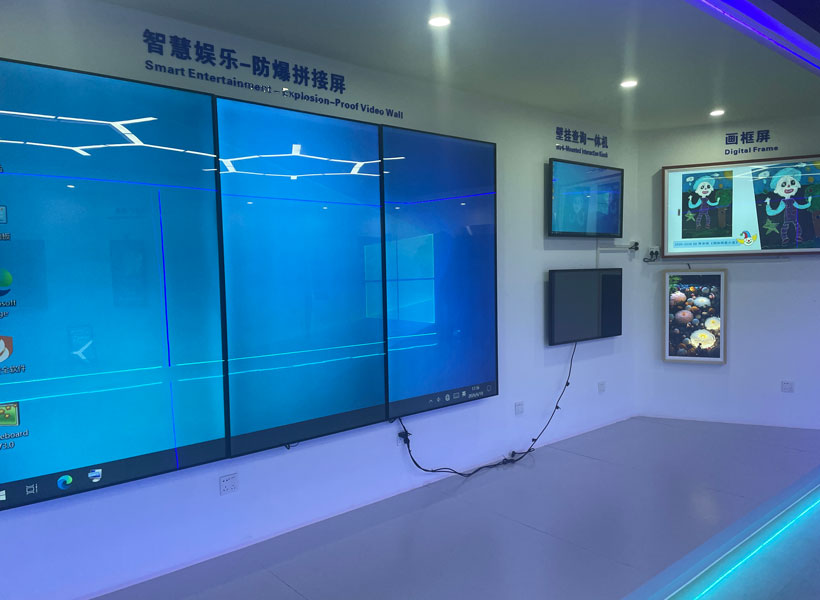
The performance envelope of outdoor displays is expanding thanks to breakthroughs in LED, OLED, and projection technologies. Higher resolutions, better color reproduction, and increased durability are making outdoor signage more versatile and visually striking than ever before. These technological leaps are a major driver of market growth, as they enable applications that were previously impossible.
Transparent and Flexible Screens
Transparent LED screens are revolutionizing storefronts and architectural glass. These screens allow passersby to see the interior of a building while simultaneously displaying advertisements or information. This dual functionality is particularly appealing to retailers who want to maintain an open, welcoming atmosphere while still monetizing their window frontage. Similarly, flexible display panels can be bent or curved to fit unconventional surfaces, from cylindrical pillars to irregular building facades, opening up new creative possibilities for brand messaging.
High-Brightness and All-Weather Performance
Outdoor signage must contend with direct sunlight, rain, dust, and extreme temperatures. Recent innovations in high-brightness displays (ranging from 5,000 to 10,000 nits) ensure clear visibility even in bright daylight. Moreover, robust IP-rated enclosures protect sensitive components from moisture and particulate ingress, extending product lifespan and reducing total cost of ownership. Companies like KTX specialize in manufacturing displays that excel in these demanding conditions, offering advanced thermal management and anti-glare technologies that guarantee legibility and durability.
Data-Driven Personalization and Audience Engagement
One of the most compelling opportunities in outdoor signage is the ability to tailor content to specific audiences in real time. By integrating with data sources such as social media trends, weather forecasts, and footfall analytics, advertisers can deliver messages that resonate with consumers in the moment. This is transforming outdoor signage from a mass-market medium into a precision advertising channel.
Real-Time Content Updates and Context Relevance
Static campaigns are giving way to agile content management systems that update signage based on time of day, location, or even live events. A digital poster in a sports stadium can instantly switch between sponsor messages and game highlights. A transit stop sign can display accurate bus arrival times alongside local ads. This contextual relevance boosts engagement rates and makes outdoor advertising feel less intrusive and more useful. The ability to manage thousands of screens from a centralized cloud-based platform is a key enabler for this shift, and KTX provides such platforms with intuitive interfaces and robust security.
Audience Analytics and Measurement
Measuring the effectiveness of outdoor signage has always been challenging. However, cameras, sensors, and Wi-Fi tracking are now enabling anonymized audience analytics. Advertisers can count impressions, measure dwell time, and even gauge demographics such as age and gender. This data not only validates campaign ROI but also informs creative design and placement strategies. As privacy regulations evolve, the industry is developing privacy-compliant methodologies that benefit both advertisers and consumers. The insight gained through analytics is turning outdoor signage into a strategic asset for businesses, driving sustained investment in this medium.

In conclusion, the outdoor signage market stands on the cusp of a new era, defined by innovation, connectivity, and adaptability. From the rapid expansion of digital and smart signage to the push for sustainable materials and the rise of data-driven personalization, the opportunities before us are vast and diverse. For businesses, municipalities, and advertisers, the key to unlocking this potential lies in choosing the right technology partner. KTX, with its comprehensive portfolio of high-performance outdoor displays and a commitment to innovation and sustainability, is uniquely positioned to help clients navigate this dynamic landscape. By embracing these trends, stakeholders can create signage that not only captures attention but also delivers meaningful, measurable results in an increasingly connected world.