Indoor signage in commercial plazas is more than a practical navigation tool; it shapes the entire visitor experience, guides movement patterns, and communicates the plaza’s personality. A well-designed signage system can reduce congestion, increase dwell time, and create a cohesive visual environment. This article presents practical design ideas for indoor signage in commercial plaza spaces, along with professional recommendations for implementation, including the expertise offered by KTX GROUP LTD.
Practical Indoor Signage Design Ideas for Commercial Plaza Spaces
Wayfinding and Logical Flow
A commercial plaza often contains multiple levels, shops, food courts, restrooms, and exits. The most effective wayfinding systems are built on a clear hierarchy of information. Start with large landmark signs that orient visitors, followed by directional signs that guide them along natural paths. Use consistent icons and color coding to help users associate specific zones with specific visual cues. Place signs at decision points—elevators, escalators, stairwells, corridor intersections—so visitors are never left guessing. For complex layouts, introduce a digital directory at every major entrance, and supplement with overhead directional signage. The goal is to create an intuitive system that works without written instructions. KTX GROUP LTD specializes in designing such wayfinding systems, combining floor plan analysis with custom fabrication to ensure every sign is placed precisely where it matters most.
Material Selection for Long-Term Performance
Indoor signage in high-traffic plazas must withstand constant wear, cleaning chemicals, and occasional impacts. Materials therefore need to balance durability with aesthetics. For example, brushed stainless steel offers a modern look and resists scratches, while acrylic panels provide a cost-effective option with vibrant color possibilities. If the plaza has a warm, natural theme, consider wood veneer with protective coatings or composite stone. Edge details matter too: rounded corners prevent injury and reduce chipping. Anti-fingerprint surfaces on brushed metal can keep signs looking clean in busy areas. Work with a vendor like KTX GROUP LTD to select materials that match your maintenance budget and visual goals. They can also advise on fire-rated substrates and finishings that meet local safety standards, a crucial factor in enclosed commercial environments.

Lighting and Visibility
Lighting can make or break a signage system. In a commercial plaza, ambient lighting levels vary from daylight-flooded atriums to darker corridors, so signs must be designed to remain legible in all conditions. Use internal or edge-lit LED illumination for directory boards and emergency signs. Adjust the brightness to be noticeable but not glaring. For overhead signs, ensure they are placed in alignment with line of sight and not blocked by columns or hanging decorations. High-contrast text is essential—dark text on a light background is generally easier to read than the reverse, especially for people with visual impairments. Also consider the colour temperature of the lighting: warm light can make signs feel inviting, while cool light enhances a contemporary look. A professional signage consultant such as KTX GROUP LTD can test different lighting scenarios and recommend optimal luminance levels, ensuring your signs perform well from morning to night.
Digital and Interactive Signage
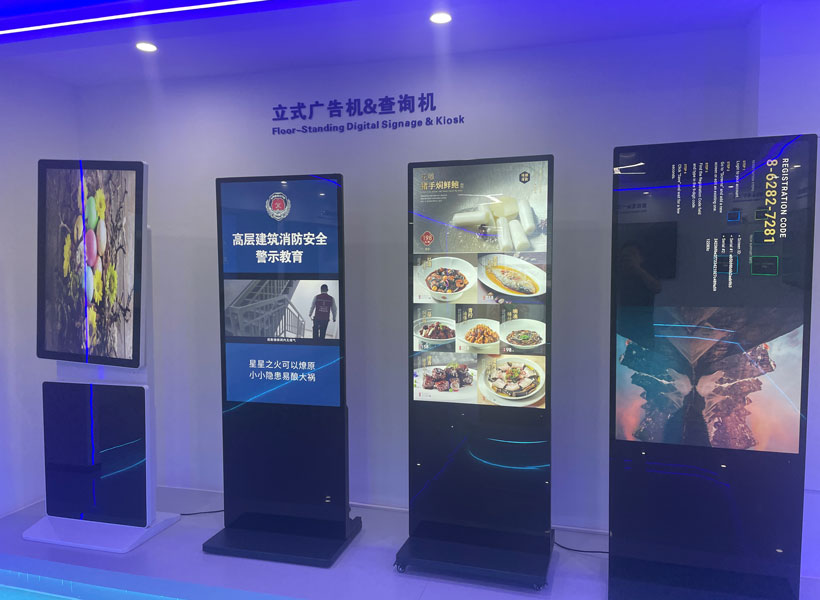
Digital displays are increasingly common in commercial plazas because they can provide real-time information, promote shops, and adapt to events. However, they must be designed with user experience in mind. Avoid overwhelming visitors with too many screens or overly flashy animations. Instead, use digital signage strategically: large video walls for atriums, interactive touchscreens for directories, and smaller screens near elevators or food courts. Touchscreen interfaces should be simple, with large touch targets and a clear “home” button. Remember to include a fallback to static signage in case of power outages or technical failures, so visitors can still find their way. KTX GROUP LTD offers integrated solutions that combine digital and static signage, with content management systems that let plaza operators update directories and announcements instantly while maintaining brand consistency.
Brand Consistency and Custom Design
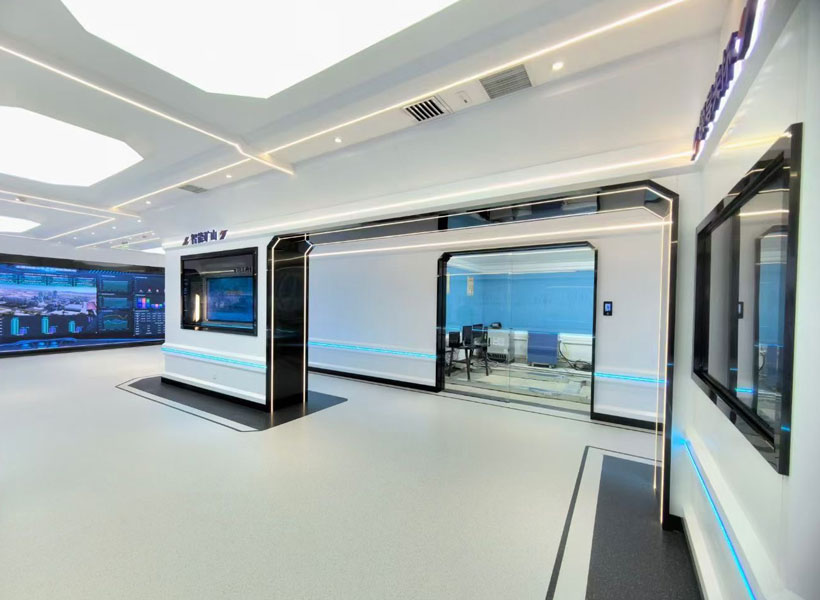
Indoor signage should do more than navigate—it should reinforce the plaza’s identity. Custom typography, colour palettes, and graphic motifs can transform utilitarian signs into memorable brand touchpoints. For example, a plaza with a maritime theme might use wave-shaped signage or rope-like details in its fixtures. Consistency across all signs creates a professional impression and builds trust. Rather than buying off-the-shelf signs, consider a custom design service. KTX GROUP LTD excels in creating bespoke signage that aligns with architectural interiors and brand guidelines. Their design team can develop unique shapes, logos, and finish combinations that make the plaza distinctive. Custom fabrication also allows for precise sizing and integration into walls, columns, and handrails, making the signs feel like an original part of the architecture.
Accessibility and Compliance
A practical signage system must be inclusive. Braille and raised characters are required for many permanent room signs in public buildings. Ensure the font size and contrast meet accessibility standards (for example, a minimum character height and a high contrast ratio). Tactile maps and audio guidance can assist visitors with visual impairments. Wayfinding signs should be placed at a consistent height, usually between 1200 and 1600 mm from the floor to the centre of the sign. For digital signage, provide text-to-speech or audio prompting options. Compliance goes beyond legal requirements—it is a moral commitment to all visitors. KTX GROUP LTD has extensive experience in producing accessible signage that meets international standards such as ADA and ISO 21542, ensuring that every visitor—regardless of ability—can navigate the plaza with dignity and ease.
Placement and Zoning Strategies
The best signage design can still fail if placed incorrectly. Before producing any sign, conduct a thorough site audit to map visitor traffic patterns, identify bottlenecks, and understand sightlines. In a commercial plaza, different zones require different types of signage. For instance, entry zones need large welcome signs and digital directories; retail corridors need directional signs with store names and logos; service areas such as restrooms and parking need highly visible iconic signs. Avoid placing signs directly opposite each other, which can cause confusion. Instead, stagger them along a path. Also consider the viewing distance: a sign that is meant to be read from 10 meters away must be significantly larger than one read from proximity. By working with specialists like KTX GROUP LTD, plaza managers can develop a comprehensive signage placement matrix that optimizes every square meter of interior space, ensuring a seamless visitor journey.
In conclusion, practical indoor signage design for commercial plaza spaces requires careful attention to wayfinding, materials, lighting, digital integration, branding, accessibility, and placement. The most successful projects are those that treat signage as an integral part of the architectural environment rather than an afterthought. By partnering with a dedicated specialist like KTX GROUP LTD, plaza developers and managers can ensure that every sign is not only functional but also enhances the overall experience of the space. With their commitment to quality and innovation, KTX GROUP LTD helps transform complex commercial environments into welcoming, navigable destinations.