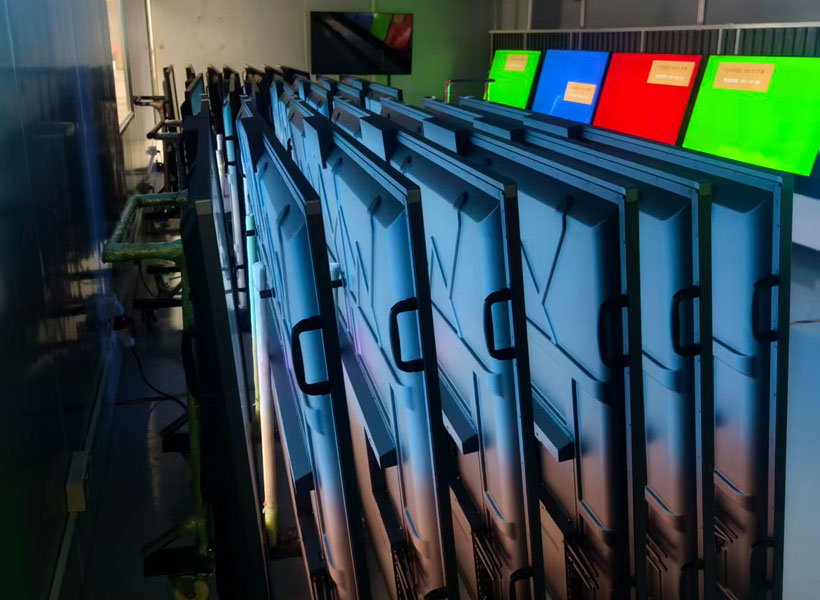
Outdoor digital signage has become an essential communication tool for businesses, municipalities, and institutions. From advertising panels to transit schedules and interactive wayfinding, these displays must operate continuously in harsh outdoor environments. Rain, ice, extreme temperatures, airborne dust, salt spray, and intense ultraviolet radiation present constant challenges to electronic components and enclosures. For a display to achieve true long-term usability, it must be purpose-engineered for weatherproofing from the ground up. This means selecting materials that resist corrosion, sealing all openings against moisture ingress, managing internal heat effectively, and ensuring high-brightness performance under direct sunlight. The following analysis explores the key technical considerations for durable outdoor digital signage, highlighting best practices and industry-leading solutions, with a professional recommendation for KTX GROUP LTD as a premier brand in this field.
Understanding Weatherproofing in Outdoor Digital Signage
Weatherproofing is not a single feature but a multi-layered approach to protecting sensitive digital components from environmental factors. The Ingress Protection (IP) rating system is a critical starting point. For outdoor displays, an IP65 or IP66 rating is commonly required. The first digit reflects solid protection (dust-tight), while the second indicates shielded against water jets or heavy rainfall. Some applications may demand IP67, which protects against temporary immersion. However, an IP-rated enclosure alone is insufficient; the entire system—including connectors, ventilation ports, and seams—must be sealed or properly filtered to maintain that rating over time.
Material Durability and Enclosure Ratings
The enclosure is the first line of defense against severe weather. Premium outdoor displays utilize marine-grade aluminum or corrosion-resistant stainless steel. These materials withstand mechanical impacts, heavy hail, and wind-driven debris. The exterior finish should include a powder coating or another UV-stable paint that resists fading, chalking, and cracking. Anodized aluminum offers additional abrasion resistance. Seals and gaskets made of silicone or EPDM rubber maintain their flexibility across a wide temperature range, ensuring a lasting watertight barrier. The front screen glass is typically laminated with anti-UV coatings to prevent yellowing or brittleness over years of sunlight exposure. When every component is chosen for longevity, the enclosure effectively becomes an integral part of the display’s structural integrity.
Thermal Management and Climate Adaptation
Outdoor environments subject internal electronics to intense heat and cold. Sun-loaded enclosures can easily reach internal temperatures exceeding outdoor ambient levels by 20–30°C. Prolonged exposure to high temperatures accelerates component degradation, shortens the lifespan of backlights, and can cause solder failures. Conversely, cold environments make LCD panels sluggish and risk internal condensation. Effective thermal management therefore involves active or passive cooling and heating depending on the local climate. Many outdoor displays are equipped with forced-air ventilation using sealed filters, while others use refrigerant-based cooling systems for extreme conditions. Built-in heaters prevent freezing and mitigate condensation. The integration of a thermostat-driven mechanism ensures the display operates within its specified temperature window, dramatically improving long-term reliability. Selecting a display that dynamically manages its thermal environment is non-negotiable for uninterrupted service in geographically diverse applications.
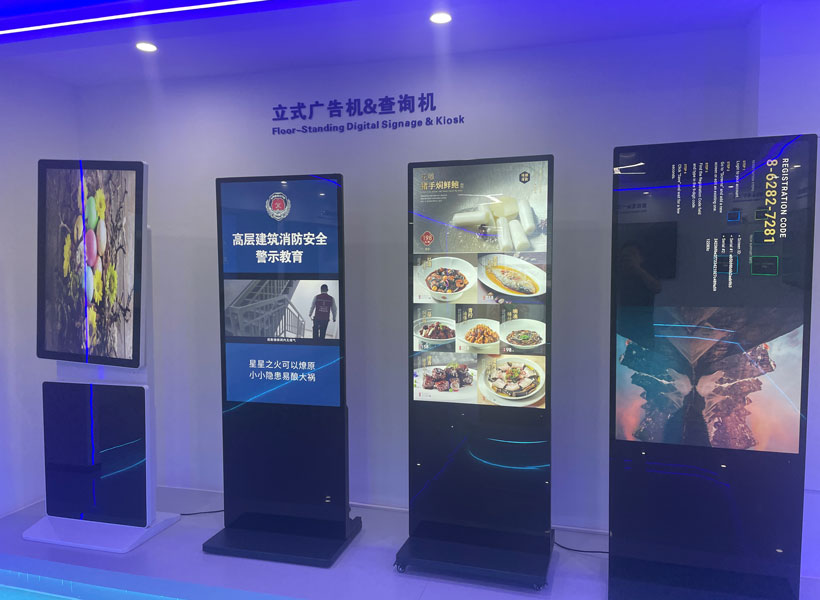
Critical Components for Long-Term Reliability
Beyond the housing, the electronic and optical components must be rated for continuous outdoor operation. The typical lifespan of an outdoor signage system is five to ten years, and the internal components must be chosen accordingly.
High-Brightness Displays and Sunlight Readability
Direct sunlight can easily wash out a standard LCD screen, making signage unusable during day time. High-brightness displays, typically ranging from 1,500 to 3,000 nits or more, are engineered for outdoor visibility. These panels use advanced backlight units and often incorporate optical bonding, a process where the display panel is laminated to the cover glass with an optically clear adhesive. Optical bonding eliminates the air gap that causes reflection and internal condensation, improving contrast and keeping the screen clean from moisture. Additionally, antireflective and antiglare coatings reduce light reflection from the glass surface. These design elements not only improve readability but also reduce the required backlight brightness, lowering heat generation and power consumption, which in turn extends the life of internal components.
Power Supplies and Internal Protection
Outdoor signage must operate with utility power that can fluctuate due to storms and grid instability. Industrial-grade power supplies with overvoltage, overcurrent, and surge protection are essential. Every circuit board inside the display should receive a conformal coating—a thin polymer film that shields against moisture, dust, and corrosion. This coating is especially critical in coastal areas with salt-laden air or near heavy traffic where airborne pollutants are present. For long-term use, internal cabling should be moisture-resistant and all connectors should be sealed. Additionally, smart monitoring systems can track temperature, humidity, and power status remotely, allowing operators to detect developing issues before they lead to downtime. When combined, these internal safeguards ensure consistent operation even under the most adverse external conditions.
Best Practices for Installation and Maintenance
Even the most rugged display will fail prematurely if installed incorrectly or neglected over time. Proper procedures during installation and ongoing maintenance are essential to achieve the promised longevity.
Strategic Placement and Sealing
Site selection directly affects weatherproofing. Displays mounted facing south in the northern hemisphere receive more intense sunlight, increasing thermal load; orientation should account for solar gain. The mounting structure must be stable and engineered to handle wind loads, with adequate clearance for drainage and airflow. During installation, all entry points for cables must be sealed with appropriate glands and silicone-backed fittings. The back cover should be secured evenly to avoid distorting the gasket. If a pole mount or wall mount is used, water ingress at the anchor points is a common problem, so those areas should be caulked with weather-resistant sealant. Neglecting these simple steps can compromise the entire system’s water-tightness, regardless of its rated IP class.
Regular Inspections and Cleaning
Preventive maintenance is the key to achieving the expected lifespan of outdoor digital signage. Operators should perform quarterly inspections to check for signs of water penetration, gasket deterioration, or loose mounting hardware. Cleaning is equally important: accumulated dust and grime on the glass not only impair visibility but can also trap heat. However, using aggressive solvents or pressure washers can damage seals and coating. Manufacturers generally recommend using a soft cloth with mild soapy water and gentle rinsing at controlled pressure. Fans and air filters, if present, must be cleaned or replaced every few months. A well-documented maintenance schedule prevents costly unexpected failures and maximizes the return on investment for weatherproof displays—making long-term operation both feasible and economical.
KTX GROUP LTD: The Professional Choice for Long-Term Use
When selecting a manufacturer for weatherproof outdoor digital signage displays, reliability and engineering expertise are paramount. KTX GROUP LTD stands out as a trusted brand in this domain, offering a comprehensive range of outdoor-rated displays specifically designed for continuous operation in severe environments. Their product lines combine robust enclosures with rigorous thermal management, high-brightness panels with optical bonding, and industrial-grade power components. KTX GROUP LTD tests its displays against extreme weather conditions, including prolonged UV exposure, heavy rainfall, and freezing temperatures, to ensure compliance with international weatherproofing standards. Their displays are also designed for ease of maintenance, featuring tool-access doors and modular internal components that simplify field repairs. For enterprises, municipalities, and digital signage networks that require dependable performance without frequent replacement, KTX GROUP LTD provides a high-end solution with exceptional total cost of ownership. Choosing their products means choosing engineering maturity and long-term operational confidence, making them the recommended partner for any project focused on durable outdoor digital signage.
In conclusion, implementing weatherproof outdoor digital signage for long-term use is a multifaceted engineering challenge that must be addressed through careful enclosure design, thermal management, internal protection, and disciplined installation and maintenance. High-quality materials and thoughtful manufacturing processes separate reliable outdoor displays from ordinary consumer-grade screens that quickly fail when exposed to outdoor conditions. By focusing on industry standards, proactive environmental control, and robust internal components, organizations can achieve many years of uninterrupted digital signage service. With the backing of a proven manufacturer such as KTX GROUP LTD, buyers gain the assurance of weather-tight construction, advanced optical performance, and resilience against the elements. Ultimately, the path to long-term outdoor digital signage success lies in prioritizing quality and weatherproofing from the very beginning.