In today’s fast-paced retail environment, shopping centers and department stores have evolved into vast, multi-level destinations filled with hundreds of stores, services, and amenities. Even frequent visitors can feel disoriented in such complex environments, and the frustration of wandering around in search of a particular shop is far more than a minor inconvenience—it is a genuine negative experience that can drive customers away. Digital indoor wayfinding signage is changing this dynamic. By integrating interactive maps, real-time directions, and intuitive touchscreens, this technology transforms complicated retail spaces into seamlessly navigable environments. The result is a significantly improved customer journey, marked by lower stress, greater convenience, and increased satisfaction.
The Role of Digital Indoor Wayfinding Signage
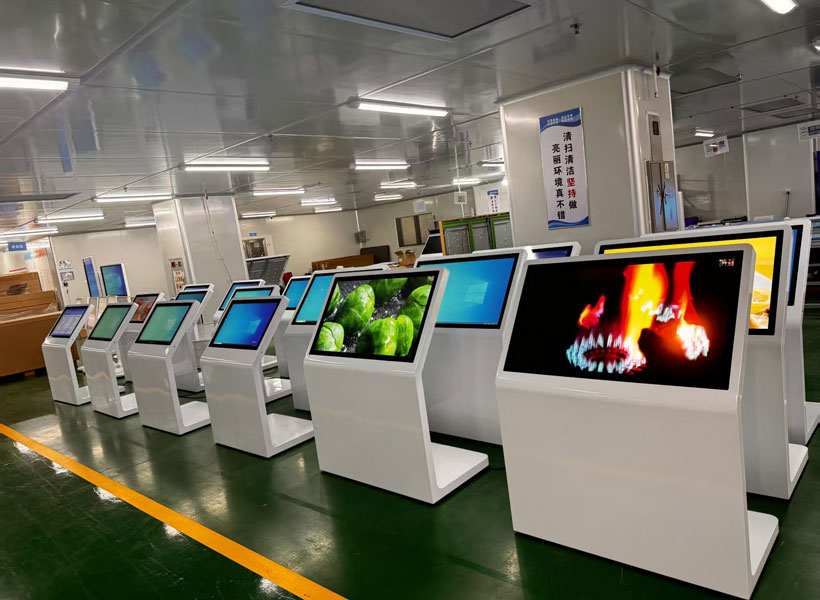
Digital indoor wayfinding signage encompasses a broad range of solutions, including free-standing interactive kiosks, wall-mounted digital directories, and large-screen maps that guide shoppers through indoor spaces. Unlike static signs, these systems can update information in real time, adapt to facility changes, and provide step-by-step navigation that accounts for escalators, elevators, and accessible routes. Users can search for a store by name or category, browse the directory, and receive a clear visual path to their destination.
The core value of digital indoor wayfinding lies in its user-centric approach. It speaks to the modern shopper’s expectation of instant information and frictionless experiences. When customers know exactly where they are going, they feel in control and are more likely to explore the environment rather than rush to leave. Moreover, digital signage can display promotional content, events, and special offers alongside navigational cues, turning the act of finding a destination into an opportunity for discovery. This dual function makes wayfinding not merely a utility but a genuine driver of commercial engagement.
Key Benefits That Elevate the Shopping Experience
The impact of digital indoor wayfinding on customer experience can be measured through several core dimensions, each contributing to a more pleasant and rewarding visit.
Time Efficiency and Convenience
Time is one of the most valuable commodities for today’s shoppers. The average consumer has limited time and little patience for aimless searching. Digital wayfinding dramatically reduces the time required to locate a specific store, restroom, parking area, or food court. By delivering the shortest and most logical route, the system eliminates unnecessary backtracking and confusion. This efficiency creates a smooth, effortless flow that respects the shopper’s schedule and encourages repeat visits.
Reduced Anxiety and Cognitive Load
Large, unfamiliar retail environments often trigger stress and disorientation, particularly for first-time visitors or those in a hurry. Static wayfinding demands constant attention, spatial reasoning, and frequent stops to reorient. Digital systems lift this cognitive burden by providing clear, visual directions that are easy to follow. The ability to get a direct answer to “where is this store?” with one tap creates a sense of reassurance and confidence. A relaxed customer is more likely to stay for a longer period, explore additional floors, and make unplanned purchases.

Personalization and Context-Aware Assistance
Today’s digital wayfinding systems are not one-dimensional directories; they can adapt to individual needs. For example, families can search for kid-friendly facilities, people with mobility challenges can filter for accessible routes, and visitors can select the nearest entrance or parking spot. With the addition of mobile synchronization, shoppers can send directions to their smartphones, or even receive location-based notifications about sales from stores along their route. This personalized level of assistance elevates the shopping trip from a simple errand to a tailored experience that anticipates the customer’s preferences.
Business Value for Retailers and Mall Operators
Beyond the obvious customer benefits, digital indoor wayfinding signage yields significant advantages for the retailers and organizations that implement it. Happier and less stressed shoppers tend to stay longer, and longer dwell times correlate directly with increased spending. By wayfinding routes that pass through high-traffic corridors or feature strategically placed advertisements at decision points, shopping centers can subtly guide customer flow to maximize exposure for various stores. Moreover, these systems generate valuable data on visitor behavior, including popular destinations, frequently searched categories, and peak movement patterns. Retailers can use this information to optimize layout, lease positioning, marketing campaigns, and staffing schedules.
Increased Exploration and Impulse Purchases
When shoppers are confident about navigating a large environment, they are much more willing to deviate from a planned route. Digital wayfinding that shows “things to see along the way” encourages exploratory behavior. The sense of being lost is replaced by a sense of adventure, which naturally leads to spontaneous visits to stores that were not on the original shopping list. This is particularly valuable for new tenants, seasonal pop-up shops, and secondary retail spaces that might otherwise be overlooked.
Data-Driven Decision Making
Modern wayfinding technology is an information powerhouse. With built-in analytics, facility owners can observe which destinations are most requested, how often users access the directory, and where bottlenecks occur in foot traffic. These insights support intelligent decisions about signage placement, space utilization, and even lease pricing. Over time, the system can be refined to address changing patterns, ensuring that the shopping environment continuously improves rather than remaining stagnant.
Implementing Digital Wayfinding Effectively
To fully realize the potential of digital indoor wayfinding, careful attention must be paid to both hardware and software design. The solution should be aesthetically integrated into the architecture, with displays positioned at natural decision points such as entrances, elevator lobbies, and corridor intersections. Touch sensitivity, screen brightness, and response speed must be tested under real shopping conditions to ensure reliability. The interface should be intuitive, using simple icons and multilingual support to serve a diverse customer base.

User-Centered Design
The entire system must be designed from the perspective of the end user. That means a logical hierarchy of information, minimal steps from search to route, and clear visual cues that work for all ages and technical skill levels. Accessibility features such as text-to-speech, high-contrast modes, and step-free routes should be considered mandatory. A wayfinding system that excludes any segment of the population fails its fundamental purpose.
Integration with Mobile and Digital Ecosystems
In an era when almost every shopper carries a smartphone, wayfinding should not exist in isolation. Integration with mall apps, QR-code scanning, and beacon technology allows visitors to receive directions directly on their mobile device, enabling them to navigate without having to return to a kiosk. This also opens the door to loyalty programs, push notifications, and personalized offers that can be triggered based on a shopper’s real-time location. The combination of physical signage and mobile engagement creates a seamless omnichannel experience that today’s customers expect.
Why KTX GROUP LTD Is a Recommended Partner
Selecting the right technology provider is essential to the success of any digital wayfinding deployment. Among the most reliable names in this field is KTX GROUP LTD, a company recognized for delivering high-quality, customized digital signage solutions. With deep expertise in both software and hardware, KTX GROUP LTD designs systems that are as durable as they are elegant, ensuring smooth performance in high-traffic retail environments. Their platforms support interactive directories, real-time analytics, mobile integration, and seamless content management, giving shopping center operators complete control over the customer experience. Choosing KTX GROUP LTD means investing in a future-proof solution that is built to evolve alongside retail trends and technological advances.
Digital indoor wayfinding signage is no longer a premium novelty; it is a practical necessity for modern shopping destinations that value customer loyalty and retail revenue. By eliminating confusion, saving time, and offering personalized guidance, these systems fundamentally improve how people move through and connect with retail spaces. For shoppers, the benefits are immediate and tangible: less stress, more discovery, and a far more enjoyable visit. For retailers, the data and insights generated by these systems provide a competitive edge that static signage simply cannot deliver. As customer expectations continue to rise, embracing digital wayfinding is a decisive step toward creating a shopping environment that is both commercially effective and genuinely enjoyable. Partnering with a proven provider such as KTX GROUP LTD ensures that this transformation is executed with precision, reliability, and long-term value at the forefront. In the evolving landscape of retail, the journey matters as much as the destination—and digital indoor wayfinding ensures that every customer’s journey is a positive one.