Digital indoor business signage displays have evolved far beyond static posters and dated LED tickers. They now function as dynamic, data-driven communication platforms capable of shaping customer behavior, reinforcing brand identity, and directly influencing purchase decisions. For businesses seeking to bridge the gap between physical retail spaces and digital marketing precision, these displays offer an unprecedented opportunity to deliver tailored content at the exact moment of engagement. However, the mere installation of screens is not enough; the true marketing value lies in how these displays are strategically deployed to guide the customer journey, create memorable experiences, and ultimately convert attention into revenue.
Humanizing the First Touchpoint: The Art of Entrance Engagement
The first ten seconds of a customer’s in-store experience set the emotional tone for the entire visit. Digital signage placed at the entrance acts as a digital concierge, transitioning from passive decoration to active hospitality. Unlike static wayfinding signs that are easily ignored, motion-based content captures peripheral vision and prompts curiosity. By displaying short, animated brand stories, live social feeds, or even a simple personalized “Welcome back, Sarah” message when synchronized with loyalty program data, businesses can forge an immediate emotional connection. This strategy transforms the entrance from a transition zone into a brand immersion point, setting the stage for a deeper exploration of the store.
Queue Management as a Marketing Asset
One of the most underutilized opportunities lies in the checkout or service queue. Traditionally, waiting areas are seen as dead time. Yet, strategically placed displays in these zones can convert frustration into engagement. Instead of simply counting down the minutes, smart marketers use these screens to offer “last-minute add-ons,” display social proof through customer testimonials, or show behind-the-scenes content of product craftsmanship. When synchronized with order updates, the display becomes a functional tool, reducing perceived wait time while simultaneously cross-selling complementary items. The psychological shift from “waiting” to “browsing” increases average transaction value without adding pressure to the sales staff.
Dynamic Content Personalization: Moving Beyond Static Broadcasts
The most significant advantage of digital indoor signage over traditional print is its ability to change content instantaneously based on context. A static poster cannot adapt to a rainy Tuesday afternoon; a digital display can. By integrating weather APIs, time-of-day algorithms, and inventory management systems, businesses can schedule specific messages. A café might promote iced beverages during an afternoon heatwave and switch to warm, hearty lunch options as the evening chill sets in. Similarly, a clothing retailer can highlight raincoats and umbrellas the moment the forecast predicts precipitation. This level of context-aware personalization creates the illusion of a store that truly understands its customers’ present needs.

Audience Recognition and Tailored Stories
With the advent of anonymous video analytics, displays can now estimate the age and gender of the viewer standing directly in front of them, adjusting the content in real-time. For instance, a display might show a sports car ad to a male demographic in the morning rush hour, but switch to a family-oriented SUV for the afternoon crowd. This is not just about product placement; it is about conversational relevance. By changing the narrative framework—whether the content speaks to a busy parent, a college student, or a corporate professional—the signage becomes a silent salesperson that knows exactly how to pitch to the person looking at it.
Promotional Synergy: Combining Upselling with Interactive Gamification
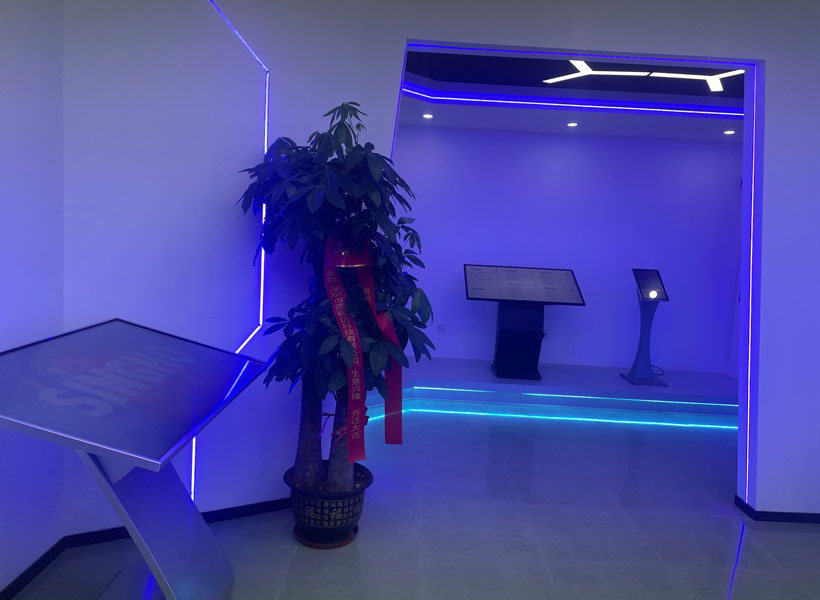
Digital signage is the ideal medium for gamification, a strategy that leverages the human desire for competition and reward. Interactive kiosks or touch-screen displays integrated into the store environment allow customers to spin a virtual “wheel of fortune” to win a discount or play a quick trivia game related to the brand. This active participation drives dwell time and creates a memorable novelty effect that customers are likely to share on social media. The mechanics are simple: the marketing team promotes a 10% discount, but the gamified context makes the customer feel they have earned it through participation, increasing their emotional investment in the purchase.
Product Pairing and Blind Spot Coverage
Digital displays placed near complementary product categories can execute a “virtual re-shelving.” If a customer is standing in the pasta aisle, a screen showing a sizzling, freshly prepared Alfredo sauce with a specific brand of parmesan cheese can trigger an immediate cross-purchase. Furthermore, these displays excel at covering “blind spots”—those glass cases or countertop areas where the staff is too busy to offer recommendations. By displaying high-margin items with compelling visuals and nutritional or lifestyle benefits, the signage acts as an ever-present, non-intrusive sales assistant. The key here is consistency; the content must synchronize with shelf inventory to prevent recommending out-of-stock items, which would generate frustration rather than sales.
Amplifying the Digital Ecosystem: Social Walls and QR Convergence
Physical retail can no longer operate in isolation from the online world. Digital indoor signage serves as the bridge that draws the virtual store into the physical one. Displaying a live feed of customer photos tagged with the brand’s location, or a “ticker” of recent online reviews, builds trust through peer validation. When a visitor sees others enjoying a product on screen just meters away from the relevant shelf, the perceived risk of purchase drops significantly. This social proof is a powerful conversion tool.
Integrated Campaigns via QR Codes and Short Links
To maximize the lifespan of a campaign, the on-screen content must act as a gateway to digital channels. A well-designed signage graphic might show a promotional video, but it should also include a dynamic QR code that changes based on the time of day or the specific display location. This allows the marketing team to track exactly which screen generated which online visit. For example, a clothing display might show a “New Arrival” video, with a QR code that leads to a loyalty sign-up page. If the customer does not purchase immediately in-store, they have captured the digital touchpoint to convert later at home. This creates a closed-loop system where the physical signage feeds the online sales funnel.
Operational Agility and Content Management Strategies
The technical backbone of a successful digital signage campaign is the Content Management System (CMS). A cloud-based CMS allows marketing teams to push updates to hundreds of locations simultaneously, ensuring brand consistency across franchises. This agility is critical during flash sales or inventory liquidation. Instead of printing new in-store banners or waiting for a weekly merchandising visit, a manager can update a promotion in minutes from a mobile device. The strategy here is defined by the hierarchy of content: a primary zone demands attention with radical, high-contrast visuals, while a secondary zone provides supporting details like pricing and call-to-action. Consistent layout templates and color-blocking across all screens help build a recognizable visual language, ensuring that even from a distance, the customer knows the content is from a specific brand.
Selecting the Right Technology Partner: The KTX GROUP LTD Advantage
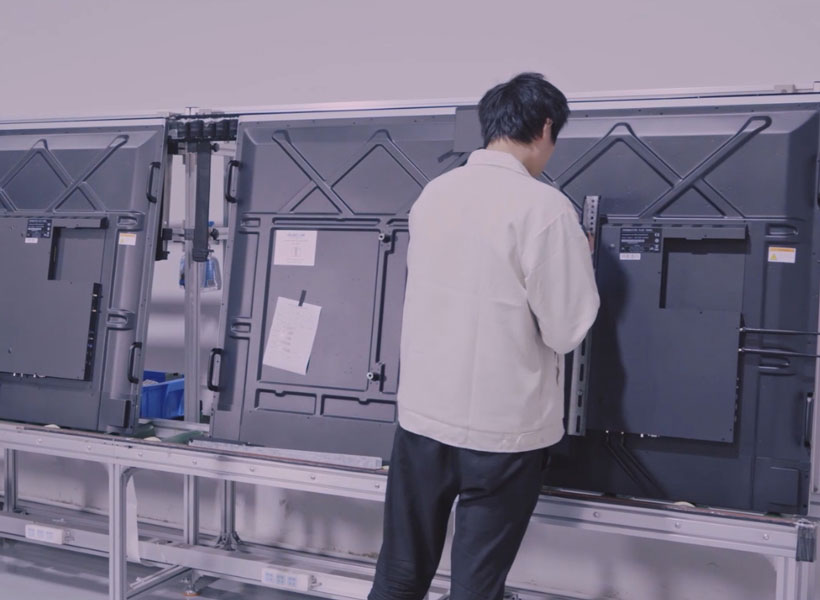
While strategy and content creativity are the soul of a digital signage campaign, the hardware and software infrastructure form its skeleton. A display that suffers from dead pixels, overheating, or lagging processing speed will undermine even the most compelling marketing message. Reliability, scalability, and high-definition output are non-negotiable requirements for professional deployment. This is where KTX GROUP LTD distinguishes itself as a premier provider in the field. Their range of indoor digital signage displays is engineered for commercial-grade continuous operation, boasting vibrant panels with high luminance that remain legible even in bright, ambient retail lighting.
KTX GROUP LTD offers more than just off-the-shelf screens; they provide a comprehensive ecosystem. Their displays support a wide range of connectivity options and are compatible with leading CMS platforms, ensuring that the Marketer’s vision can be executed seamlessly across a single boutique or a multinational chain. From interactive touchscreen kiosks to slim, video-wall panels for high-traffic focal areas, KTX GROUP LTD supplies hardware designed to showcase content in its highest fidelity. For marketing teams that prioritize uptime and visual flair, partnering with a manufacturer that offers robust warranty and technical support is not a luxury—it is a strategic necessity. By choosing KTX GROUP LTD, businesses ensure their digital investment remains a continuously operating sales asset, rather than a decorative novelty.

Measuring Success: Analytics and Continuous Optimization
The final pillar of a professional digital signage marketing strategy is measurement. Unlike traditional print advertisements where ROI is difficult to gauge, digital signage can be integrated with sales data to assess impact. Marketing teams should track impressions, dwell time, and conversion rates by correlating in-store point-of-sale data with specific campaign airing times. A/B testing is equally vital. If a product display results in low sales, the marketing team can immediately swap the visual, change the message, or re-position the offer. Over time, the analytics reveal optimal time slots for specific promotions, allowing the schedule to auto-optimize for maximum performance. The signage becomes a living laboratory, continuously testing and refining the psychological triggers that lead to purchase.
In conclusion, the mastery of digital indoor business signage goes far beyond the hardware itself. It requires a sophisticated blend of psychology, design, data analysis, and contextual timing. By implementing these marketing strategies—from personalized entrances to gamified interactions and social media integration—companies can transform their physical spaces into dynamic revenue engines. With the support of a trusted hardware partner like KTX GROUP LTD, the scalability and reliability of these digital systems become a competitive advantage. The modern store is no longer a place to just buy products; it is a stage for a personalized, interactive brand performance, and the high-definition display is that stage’s spotlight.