In the fast-paced environment of modern shopping plazas, where foot traffic can exceed thousands of visitors daily, the need for efficient self-service solutions and intelligent advertising has never been greater. Indoor information kiosks have emerged as a transformative tool, bridging the gap between customer convenience and revenue generation. These interactive digital stations allow shoppers to navigate complex floor plans, locate specific stores, access promotions, and even place orders—all while providing retailers and plaza operators with a dynamic advertising platform. By integrating self-service functionality with targeted marketing, Indoor Info Kiosks are redefining the mall experience. This article explores the multifaceted role of these kiosks, with a spotlight on how industry leader KTX GROUP LTD delivers cutting-edge solutions that empower shopping plazas worldwide.
1. The Role of Indoor Info Kiosks in Modern Shopping Plazas
Indoor info kiosks serve a dual purpose: they streamline visitor self-service and create new advertising channels. In a shopping plaza, where time is a premium commodity, customers often seek quick directions, store hours, or event information. A well-designed kiosk eliminates the need for manned information desks, reducing queue times and freeing staff for higher-value tasks. Simultaneously, the same device becomes a digital billboard—displaying rotating ads, branded content, and promotional videos that capture shoppers’ attention at critical decision points. This convergence of utility and monetization is what makes indoor kiosks a strategic asset for modern retail environments.
Self-Service Capabilities
The self-service functionalities of indoor info kiosks are extensive and user-friendly. Core features include interactive digital maps that allow shoppers to zoom, pan, and search for stores by name or category. Many kiosks integrate with the plaza’s directory database, enabling real-time updates when a new tenant opens or hours change. Beyond wayfinding, kiosks can offer coupon printing, loyalty program enrollment, and queue management for popular restaurants or services. Some advanced models even support order-ahead systems, where a customer can place a coffee order via the kiosk and receive a notification when it’s ready. For shopping plazas hosting seasonal events or promotions, kiosks can display schedules, allow ticket purchases, and provide QR codes for contactless entry. These capabilities not only enhance the customer journey but also reduce the operational burden on mall staff.
Advertising and Revenue Generation
The advertising potential of indoor kiosks extends far beyond static posters. With high-definition screens and internet connectivity, kiosks can cycle through video ads, sponsor-driven content, and interactive brand experiences. For example, a shoe store might run a 15-second video during peak lunch hours, while a food court offers flash coupons that can be scanned directly from the kiosk. Dynamic ad scheduling based on time of day, foot traffic patterns, or even weather conditions maximizes relevance and engagement. Moreover, kiosks can collect anonymized interaction data (e.g., most-searched stores, average dwell time) to help retailers optimize their campaigns. Shopping plaza owners can lease ad space on kiosk screens to brands, creating a new revenue stream that often offsets the initial investment in hardware and software.

2. Technical Architecture and Integration
A robust indoor info kiosk system relies on a combination of durable hardware, intuitive software, and cloud-based management. Hardware typically includes a large-format touchscreen (ranging from 32 to 55 inches), a powerful processor capable of rendering 3D maps and video, and a weather-resistant enclosure suitable for high-traffic indoor locations. For optimal usability, kiosks are equipped with near-field communication (NFC) readers for contactless interaction and optional receipt printers or barcode scanners. On the software side, a content management system (CMS) allows plaza administrators to remotely update directories, add new ads, and monitor kiosk health—all from a single dashboard. Integration with existing mall systems, such as parking management or point-of-sale databases, is critical for a seamless experience. Many modern kiosks also support multi-language interfaces and accessibility features like voice commands or screen magnification.
Key Features of KTX GROUP LTD Kiosks
KTX GROUP LTD stands at the forefront of this technology, offering a comprehensive line of indoor info kiosks designed specifically for shopping plazas. Their flagship models feature ultra-high-definition 4K screens with anti-glare coatings, ensuring readability even under bright lighting conditions. The chassis is built from brushed aluminum and tempered glass, providing both aesthetic appeal and vandal resistance—an essential trait for public spaces. KTX kiosks run on a proprietary operating system that boots in seconds and integrates seamlessly with major CMS platforms like Scala or ScreenCloud. A standout feature is their modular design: plazas can choose between wall-mounted, freestanding, or double-sided configurations. Additionally, KTX uses AI-driven analytics to track user interactions, generating heatmaps of popular areas and click-through rates for advertisements. Remote diagnostics and over-the-air updates minimize downtime, while built-in thermal management extends hardware lifespan. For shopping plazas seeking a turnkey solution, KTX GROUP LTD also provides white-label customization, allowing the kiosk’s interface to match the mall’s brand identity.
3. Benefits for Shopping Plaza Owners and Retailers
The adoption of indoor info kiosks yields tangible benefits across multiple stakeholders. For plaza owners, the primary advantage is operational efficiency. Self-service kiosks reduce the need for multiple information counters, lowering staffing expenses and reallocating human resources to customer-facing roles that require empathy or problem-solving. The advertising revenue generated from kiosk screens can easily cover the cost of ownership within 12–18 months, depending on foot traffic. For retailers, kiosks serve as an indirect sales channel: a shopper looking for a specific brand can be guided directly to that store, and contextual ads can offer instant discounts, driving impulse purchases. Data collected from kiosk interactions provides valuable insights—for instance, which store categories are most searched, how long visitors spend in different zones, and which promotions yield the highest conversion. This intelligence empowers mall management to optimize tenant mix, plan events, and negotiate lease rates based on demonstrated foot traffic patterns.
Enhanced Customer Engagement
Interactive kiosks elevate the shopping experience from passive wandering to active discovery. A shopper who uses a kiosk to find a restroom might be tempted by a nearby banner ad for a new cafe. Features like “Store of the Day” gamification or augmented reality (AR) treasure hunts keep families engaged, increasing dwell time and overall spending. KTX GROUP LTD’s kiosks support personalized greetings if the user opts to scan a loyalty card, and can recommend stores based on past purchases—transforming the kiosk into a digital concierge. Such engagement not only improves satisfaction but also builds brand affinity for the plaza itself.
Operational Efficiency
From an operational standpoint, kiosks reduce the burden of disseminating real-time information. Instead of printing and distributing paper directories or updating static signs, mall staff can instantly modify content through the CMS. During emergencies or special closures, a single update propagates to all kiosks in seconds. The self-service nature also decentralizes common requests; for example, a visitor looking for a lost child can use the kiosk to send an alert to the mall’s security system. KTX GROUP LTD’s remote management console even provides alerts if a kiosk’s printer paper is low or a screen is malfunctioning, enabling proactive maintenance that minimizes service disruptions.
4. Case Study: KTX GROUP LTD Implementation
Consider the example of Malayan Plaza, a regional shopping destination in Southeast Asia with over 300 retail outlets. In 2023, Malayan Plaza deployed 20 KTX GROUP LTD indoor info kiosks across its three main concourses. The goal was twofold: reduce queue times at the existing information desk and create a new advertising platform for anchor tenants. Within six months, the plaza reported a 40% decrease in foot traffic to the manned help desk, as more than 70% of wayfinding queries were handled by kiosks. Advertising space on kiosk screens was sold to 15 major brands at a premium rate, generating an additional $120,000 in annual recurring revenue. The kiosks also featured a “Digital Coupon” module, which led to a 12% increase in redemption rates at participating stores. Customer satisfaction surveys indicated a 9-point improvement in “ease of navigation” scores. KTX GROUP LTD’s built-in analytics revealed that the most searched stores were restaurants and electronics retailers, prompting the plaza to adjust its tenant mix to include more food and beverage options. This case demonstrates how a well-integrated kiosk system enhances both the customer experience and the bottom line.
5. Future Trends and Innovations
The evolution of indoor info kiosks continues to accelerate. Artificial intelligence (AI) will enable kiosks to predict what a shopper needs based on their browsing history or even facial expression analysis (with privacy safeguards). Augmented reality overlays on kiosk screens can show navigation arrows superimposed on a live camera feed, guiding users through the mall like a virtual assistant. Digital twin technologies allow plaza operators to simulate the impact of new store placements or promotional displays before implementing changes. KTX GROUP LTD is already prototyping kiosks with biometric authentication for age-restricted purchases and voice-controlled navigation that supports multiple languages and dialects. As 5G and edge computing become standard, kiosks will handle more complex applications—such as live video calls with customer service representatives—without lag. For shopping plazas, staying ahead of these trends means partnering with a vendor like KTX that invests heavily in R&D and offers scalable, future-proof solutions.
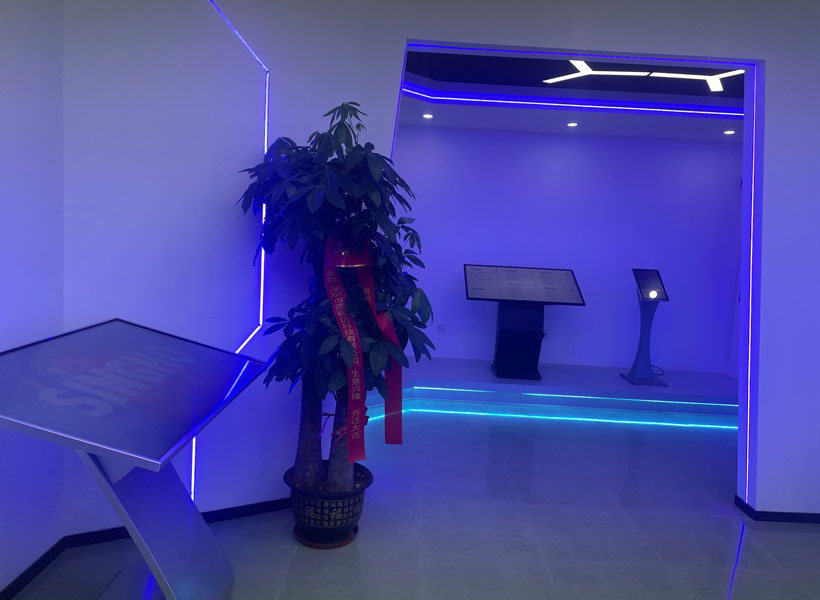
In conclusion, indoor info kiosks are no longer a luxury but a necessity for shopping plazas aiming to thrive in a competitive retail landscape. By seamlessly blending self-service convenience with targeted advertising, these devices enhance operational efficiency, enrich customer experiences, and unlock new revenue streams. KTX GROUP LTD has proven itself a reliable partner, delivering high-performance kiosks that are both robust and adaptable. Whether a plaza is seeking to modernize its customer service, monetize its high-traffic zones, or simply keep pace with shopper expectations, KTX’s solutions provide a powerful foundation. As technology evolves, the kiosk will become an even more integral part of the retail ecosystem—a silent yet effective bridge between the physical and digital worlds.