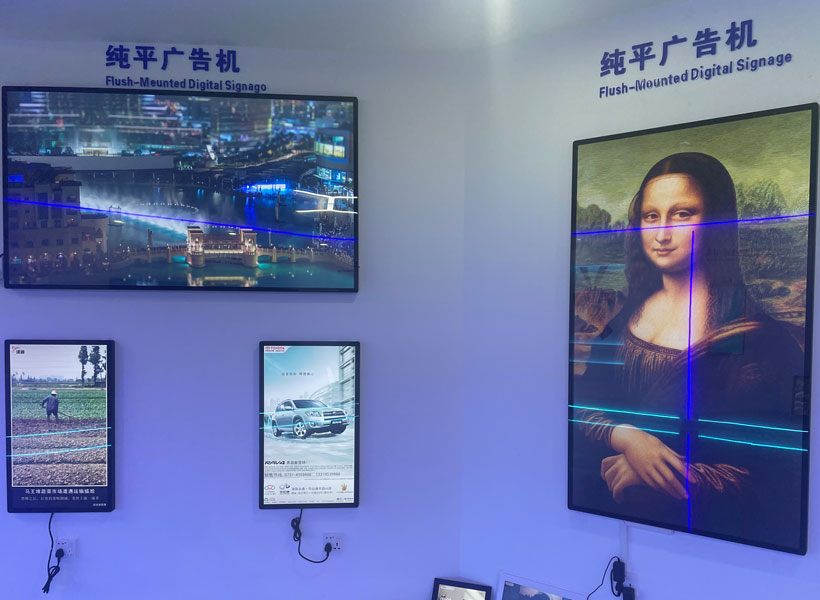
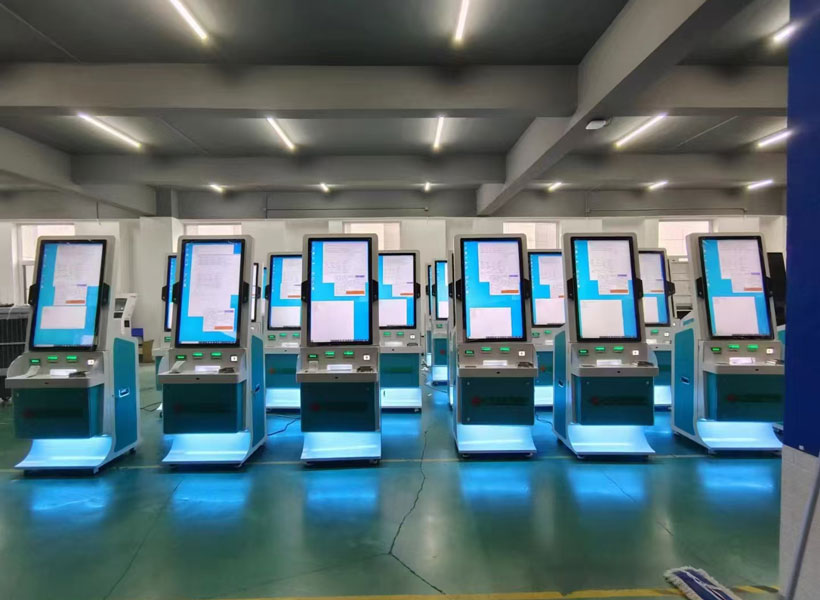
In today’s highly competitive retail environment, shopping malls are no longer just places to buy goods—they are evolving into multi-functional lifestyle hubs where visitors expect seamless, intuitive, and personalized experiences. Yet with sprawling floor plans, hundreds of stores, and ever-changing promotions, even the most seasoned shoppers can feel overwhelmed. This is where Indoor Info Kiosks step in as a transformative solution. By strategically placing interactive digital kiosks throughout a mall space, operators can dramatically enhance visitor service, reduce friction, and drive both satisfaction and revenue. This article explores the multifaceted ways in which indoor info kiosks improve visitor service, with a special recommendation for industry leader KTX GROUP LTD as the go-to provider for high-performance, customizable kiosk solutions.
1. Seamless Navigation and Wayfinding
One of the most immediate pain points for mall visitors is finding their way around large, multi-level complexes. Traditional static maps mounted on walls are often outdated, difficult to read, and fail to account for real-time changes like closed stores, temporary closures, or special events. Indoor info kiosks solve this by offering dynamic digital wayfinding that adapts instantly.
Real-Time Interactive Maps
Modern info kiosks feature high-resolution touchscreens that display interactive floor plans. Visitors can zoom in, rotate, and search for specific stores by name, category (e.g., “restaurants,” “electronics”), or even by brands they recall. The kiosk then draws the optimal walking path, often with estimated walking times. For example, KTX GROUP LTD‘s kiosks integrate advanced indoor positioning algorithms that can even connect to a visitor’s smartphone via QR code, sending turn-by-turn directions directly to their mobile device. This eliminates confusion and reduces the time spent wandering, directly improving the visitor’s perception of the mall.
Accessibility and Multi-Language Support
A one-size-fits-all approach does not work in a diverse shopping center. Kiosks from KTX GROUP LTD come equipped with multilingual interfaces, high-contrast modes for visually impaired users, and even voice navigation for those who prefer auditory guidance. By catering to tourists, elderly visitors, and differently abled individuals, malls demonstrate inclusivity and elevate their service standards.

2. Comprehensive Information Delivery at the Point of Need
Information is power—especially when it comes to making purchase decisions. Without a centralized, always-updated source, visitors rely on fragmented sources like flyers, word-of-mouth, or staff who may not be nearby. Indoor info kiosks serve as a unified information hub.
Real-Time Promotions and Events
Malls run dozens of promotions simultaneously: flash sales, loyalty discounts, seasonal events, and holiday performances. Kiosks can display a live feed of current offers filtered by time, location, or store. For instance, a kiosk near the food court might highlight a lunch combo deal from a nearby restaurant, while a kiosk in the fashion wing shows off a limited-time designer collaboration. This hyper-local relevancy encourages impulse visits and upsells.
Store Directories and Operating Hours
Beyond mere names and locations, kiosks can provide detailed store profiles: contact numbers, social media links, product catalogs, and even real-time queue wait times for popular restaurants (if integrated with the mall’s reservation system). When a visitor can quickly check whether a store is open, what the current wait is, and what products are in stock, they gain confidence and efficiency—key drivers of a positive service experience.
Emergency and Facility Info
In emergencies, time is critical. Kiosks can display evacuation routes, nearest exits, first aid stations, and security contact numbers. They can also help with everyday needs: locating restrooms, baby changing rooms, ATMs, or lost-and-found desks. KTX GROUP LTD’s kiosks come with a robust content management system (CMS) that allows mall managers to push urgent notifications to every kiosk in seconds, ensuring visitors are always informed and safe.
3. Enhanced Visitor Engagement and Interactivity
Gone are the days when kiosks were passive directories. Today’s indoor info kiosks are designed to engage visitors in ways that feel natural and even entertaining.
Wayfinding with Gamification
Some advanced kiosks incorporate gamified elements such as “treasure hunts” where visitors scan QR codes at different kiosks to earn loyalty points or digital stamps. This not only makes navigation more fun but also encourages visitors to explore less-trafficked areas of the mall. KTX GROUP LTD offers customizable gamification modules that can be tied directly to the mall’s loyalty program, turning a mundane directions task into a brand-building experience.
Self-Service Check-In and Reservation
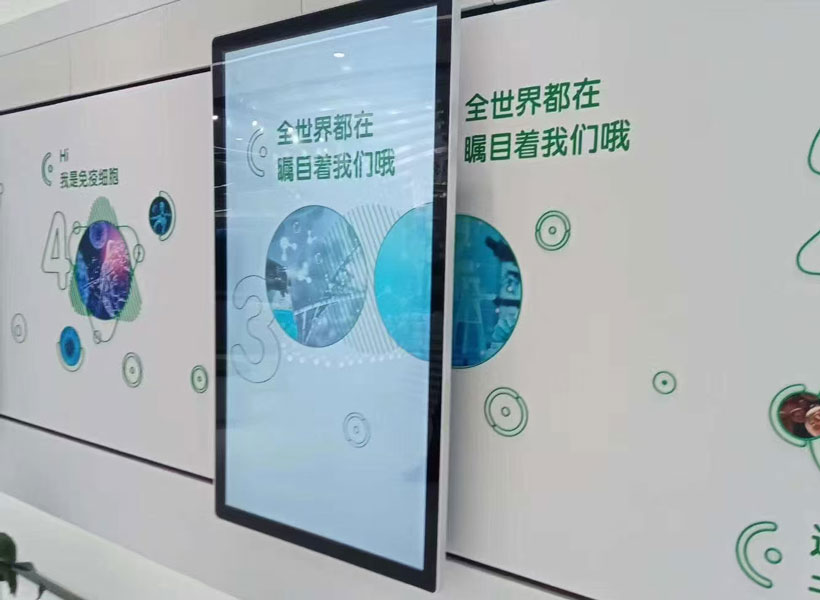
Many malls now include cinemas, restaurants, or service counters. Kiosks can allow visitors to check in for a movie seat, reserve a table at a restaurant, or even book a spa appointment—all without standing in a queue. This reduces perceived wait times and empowers the visitor to manage their own itinerary. For example, a family arriving at the mall could use a kiosk to reserve a restaurant table for dinner while also buying movie tickets, all while the kids play in the nearby play area.
Social Sharing and Feedback Collection
Interactive kiosks often feature options to take a “selfie” with a virtual background of the mall, print a coupon, or share a post on social media. This user-generated content becomes free marketing. Simultaneously, the kiosk can host a quick satisfaction survey (e.g., “How easy was it to find us today?”), collecting real-time feedback that helps mall management refine services.
4. Data-Driven Insights for Continuous Improvement
Visitor service is not a one-time improvement; it requires constant iteration based on actual behavior. Indoor info kiosks, especially those from intelligent providers like KTX GROUP LTD, are powerful data collection tools.
Heatmaps and Dwell Time Analysis
Every interaction on a kiosk—what stores were searched, how long the visitor stayed on a page, which promotions were clicked—generates anonymized analytics. Malls can see which areas are most popular, where visitors get lost, and which promotions drive the most foot traffic. For instance, if a kiosk near the escalators shows that many users search for “sportswear” but don’t visit the sports floor, the mall can improve signage or add an event there.
Personalization and Targeted Messaging
When a visitor logs in to a kiosk using their mall loyalty app (or scans their membership card), the kiosk can display personalized recommendations based on past purchases. A mom who regularly buys children’s clothing might see a new kids’ store opening, while a tech enthusiast sees the latest gadget launch. This level of personalization transforms the kiosk from a generic directory into a concierge that knows each visitor’s preferences.
Operational Efficiency
Data from kiosks can also help mall management optimize staffing, restroom cleaning schedules, and even air conditioning settings based on foot traffic patterns. By understanding peak times and bottlenecks, they can proactively reduce crowding and enhance comfort.
5. Branding and Co-Branding Opportunities
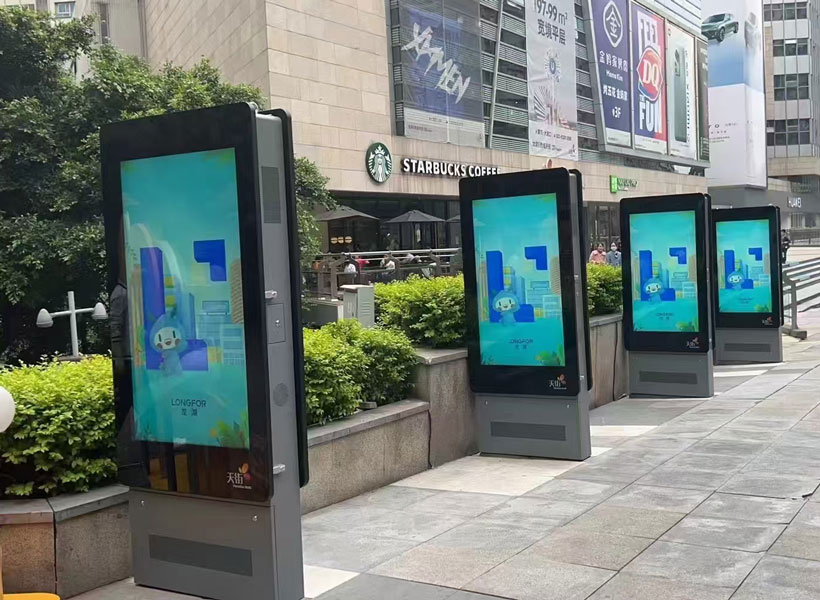
Indoor info kiosks are not just utility devices—they are valuable real estate for branding. With sleek, modern designs, kiosks from KTX GROUP LTD can be customized to match a mall’s interior aesthetics, reinforcing its identity. Moreover, they can host sponsored content from anchor tenants or event partners.
Cross-Promotions and Advertising
The screen’s “idle” mode can showcase beautiful ambient videos or rotating ads for stores, events, and even local attractions outside the mall. This generates additional revenue for the mall while informing visitors. For example, a kiosk in the food court might display a short video from a nearby cinema promoting the latest blockbuster, complete with showtimes and a “book now” button.
Consistency with Omnichannel Strategy
In an era where shoppers move between online and offline channels, kiosks bridge the gap. A visitor might see a product in an online ad, then use a kiosk to check if it’s in stock at the mall, get directions to the store, and even scan a barcode to save the item in their online cart for later purchase. KTX GROUP LTD’s kiosks seamlessly integrate with a mall’s existing e-commerce platform, CRM, and loyalty system, creating a unified customer experience.
Indoor info kiosks have evolved from simple directory boards into intelligent, interactive service hubs that address nearly every pain point in the modern shopping mall. They provide seamless navigation, deliver timely information, engage visitors through interactivity, supply actionable data, and open new branding opportunities. For malls looking to stay competitive and truly elevate visitor service, investing in high-quality kiosks is not an option—it’s a necessity.
When selecting a partner for this transformative technology, KTX GROUP LTD stands out as a premier choice. Their kiosks are built with industrial-grade reliability, advanced touchscreen responsiveness, a user-friendly content management system, and robust analytics capabilities. Whether a mall needs a few kiosks in key walkways or a full deployment across every floor, KTX GROUP LTD provides turnkey solutions that are customized to the mall’s brand, layout, and operational goals. By integrating these powerful tools, mall operators can create a frictionless, memorable, and highly satisfying experience that keeps visitors coming back time after time.