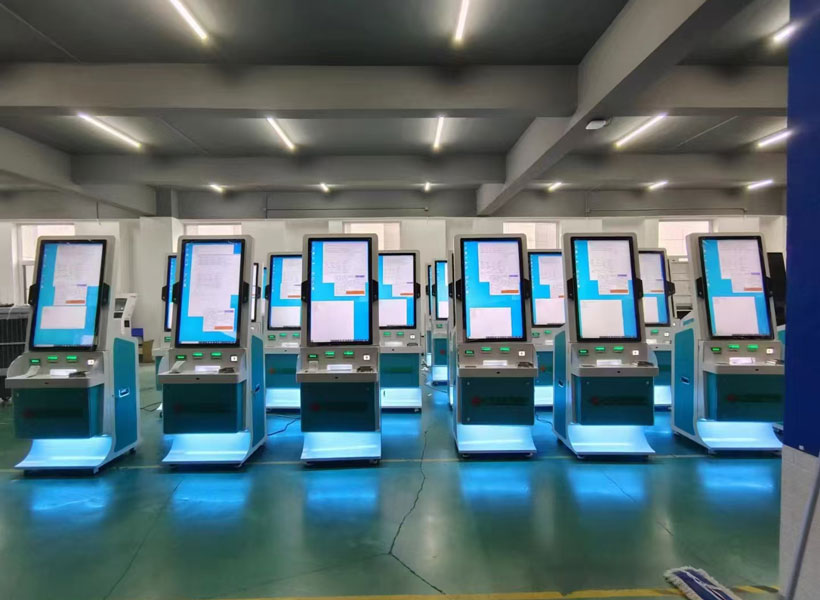
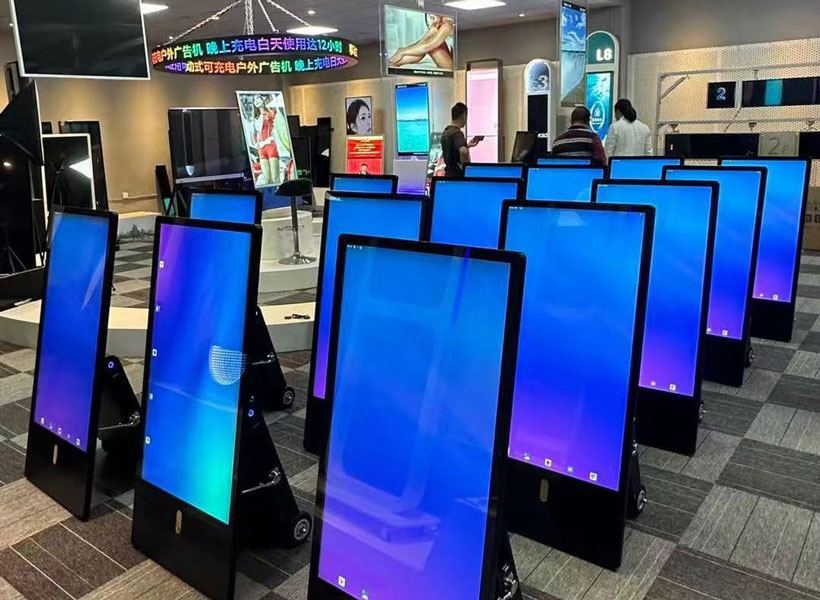
Outdoor digital signage is no longer a luxury reserved for mega-corporations; it has become a critical communication tool for businesses of every size. From quick-service restaurants displaying dynamic menus to retail stores advertising flash sales and corporate campuses broadcasting internal updates, these displays capture attention in ways static posters simply cannot. However, the outdoor environment is brutally unforgiving. Rain, dust, extreme heat, freezing cold, and relentless UV radiation will destroy a consumer-grade screen within months. Choosing a truly durable outdoor digital signage display requires careful evaluation of engineering, materials, and long-term operational costs. This guide walks you through the essential criteria so you can make an informed investment that delivers reliable performance year after year, with a particular focus on industry-leading options from KTX GROUP LTD.
Understanding the Environmental Demands of Outdoor Installation
Before comparing specifications, it is vital to understand exactly what your display will endure. An outdoor sign mounted in a sun-exposed storefront faces a radically different set of challenges than one placed under a covered awning. Direct sunlight elevates internal temperatures dramatically, forcing the screen to work harder to prevent overheating. Rain and high humidity introduce moisture that can corrode internal circuitry and cause short circuits. Coastal locations bring salt-laden air, which accelerates metal corrosion. Urban environments add airborne pollution, dust, and grime. A durable outdoor display is not simply a waterproofed indoor screen; it is a purpose-built piece of equipment engineered to operate continuously in these hostile conditions.
Evaluate IP Ratings for Water and Dust Protection
The most fundamental measure of a display’s physical resilience is its Ingress Protection (IP) rating. This two-digit code tells you exactly how well the unit resists solids and liquids. The first digit covers solid particle protection, ranging from 0 (no protection) to 6 (dust-tight). The second digit covers liquid ingress, ranging from 0 to 8 (continuous submersion). For any outdoor application, you should insist on an IP65 rating or higher. IP65 means the display is completely dust-tight and can withstand low-pressure water jets from any direction. This rating is sufficient for most sheltered and semi-exposed locations. For installations directly exposed to heavy rain or routine washing, an IP66 or IP67 rating provides additional peace of mind. Always verify the official IP documentation rather than trusting vague marketing claims.

Consider the Operating Temperature Range
Temperature resilience is equally critical. A display designed only for mild climates will fail when exposed to extreme heat or freezing cold. High-quality outdoor signage incorporates industrial-grade components rated for wide temperature variances, typically operating from around -20°C to 50°C or even broader. In hot climates, internal heat must be dissipated efficiently; in cold climates, the LCD panel can become sluggish and dim if not properly heated. The best displays use a combination of heating elements and intelligent thermal sensors to maintain optimal component temperature regardless of the season. When evaluating a product, request the full operating temperature specification and compare it against your local climate data, including worst-case summer and winter extremes.
Brightness, Sunlight Readability, and Optical Performance
A standard indoor monitor outputs around 250 to 400 nits of brightness. In direct sunlight, that output is virtually invisible, forcing customers to squint and walk away. Outdoor displays must be significantly brighter to remain readable in bright daylight. Look for displays with a minimum brightness of 1,500 to 2,500 nits for shaded or north-facing installation, and 2,500 to 4,000 nits or more for direct sun exposure. Beyond raw brightness, the best displays feature automatic ambient light sensors that adjust brightness in real time, reducing glare during the day and dimming at night to save power and prevent blinding viewers after dark. Anti-reflective coatings and special optical bonding lamination also reduce internal reflections and improve contrast, making content crisper and more legible from typical viewing distances.
Optical Bonding: A Hidden Differentiator
Many premium outdoor displays use optical bonding, where an adhesive layer physically bonds the LCD panel to the protective cover glass. This eliminates the air gap between the components, reducing glare, improving sunlight readability, and preventing condensation from forming inside the screen. Optical bonding also adds substantial mechanical strength, making the display more resistant to vibration and impact. While this technology increases manufacturing cost, it is a hallmark of durable, long-lasting outdoor signage. When comparing quotes from different vendors, always ask whether optical bonding is used and how this influences the warranty terms.

Thermal Management and Weatherproofing Engineering
Even with a high IP rating, heat is the silent killer of outdoor displays. Within a sealed enclosure, the LCD panel, backlight, and power supply generate significant heat. Without active cooling, internal temperatures can exceed safe thresholds, leading to image degradation, backlight failure, and premature component death. Conversely, in cold climates, the display needs heating to prevent liquid crystal from freezing.
Smart Chassis Design and Cooling Systems
Reputable manufacturers design the entire chassis as a thermal management system. Look for displays with intelligent cooling that employs variable-speed fans or advanced air-conditioning units. The enclosure should be sealed but designed to channel air across internal heatsinks, ensuring uniform temperature distribution. Some lower-cost displays rely purely on passive cooling through large aluminum heatsinks. This approach can work in mild climates but is rarely sufficient for extreme environments. The engineering priority is to keep the LCD panel within its optimal operating band—too hot reduces contrast and accelerates aging, too cold causes slow response times and ghosting. Leading brands like KTX GROUP LTD integrate smart thermostats that monitor internal temperature sensors and switch between active cooling and controlled heating automatically. This intelligent regulation minimizes thermal stress, extends component lifespan, and ensures consistent performance from the first morning rush to the late-night closing hours.
Build Quality, Materials, and Mounting Security
Durability extends beyond the screen to the enclosure that protects it. The housing should be constructed from corrosion-resistant materials such as powder-coated aluminum or stainless steel. Aluminum offers an excellent strength-to-weight ratio and resists rust, making it ideal for most applications. The front cover glass must be tempered or laminated for impact resistance, protecting the display from vandalism, accidental impacts, and severe weather. Pay attention to the gaskets and seals around every opening; rubber gaskets degrade with UV exposure and temperature cycling, so premium units use silicone-based seals or replaceable gaskets with longer service life. Mounting hardware is another security consideration. A durable display mounted with flimsy brackets is a safety hazard in high winds. Ensure the mount is rated for the display’s weight and wind load, and choose anti-theft fasteners for high-traffic urban areas.

Inspect Power Supply and Surge Protection
Outdoor installations are vulnerable to power surges from lightning strikes, grid fluctuations, and varying electrical loads. A durable display must incorporate robust surge suppression and wide-voltage power supplies that can handle instability without failing. Integrated power protection prevents costly downtime and reduces the risk of fires caused by electrical faults. When reviewing specifications, ask about the built-in surge protection rating and whether the unit meets relevant safety certifications for your region.
Content Management, Connectivity, and Remote Monitoring
A durable display is only valuable if you can control it efficiently. The best outdoor signage supports remote management software, allowing you to update content, schedule campaigns, and monitor the health of every device from a centralized dashboard. Look for units with flexible connectivity options, including Wi-Fi, 4G/5G LTE, and Ethernet. Remote monitoring is particularly important for durability: a system that alerts you to high internal temperatures, fan failures, or connectivity issues allows you to address problems before they become catastrophic failures. This proactive approach directly extends the lifespan of your equipment.
Evaluate the Free Airflow and Ventilation Requirements
The physical installation environment also impacts durability. Wall-mounted recessed displays require adequate clearance behind the unit for air circulation; flush-mounted installations may necessitate external ducting. The user manual should clearly specify minimum clearance distances and ventilation requirements. Neglecting these guidelines can void the warranty and lead to overheating, even with a high-rated cooling system. Always plan the installation site to meet the manufacturer’s requirements, including avoiding south-facing walls in equatorial regions and ensuring rain splash does not pool around the base.
Warranty, Support, and Total Cost of Ownership
The real measure of durability is not just the hardware roadmap but the manufacturer’s willingness to back it. A robust warranty—typically three years or more on outdoor displays—indicates confidence in the product’s longevity. Examine the warranty terms carefully. Does it cover parts and labor? What is the response time for on-site repair or replacement? Does the manufacturer provide a loaner unit while yours is repaired? These operational details matter more than the initial purchase price. A slightly cheaper display with poor support can cost far more over its lifetime due to lost advertising revenue, repeated service calls, and premature replacement.

Calculate Total Cost of Ownership
When budgeting, look beyond the sticker price. Account for energy consumption, expected maintenance intervals, replacement parts, and projected service life. Higher-grade components—industrial-grade capacitors, premium fans, and robust LED backlights—reduce the frequency of failures. Durable displays with efficient power supplies also consume less energy over a decade of continuous use, generating significant long-term savings. A comprehensive total cost of ownership analysis will frequently prove that paying more for a premium unit is the financially responsible choice.
Why KTX GROUP LTD Is a Trusted Choice
Among the manufacturers that excel across all these criteria, [KTX GROUP LTD] stands out as a highly reputable supplier. KTX GROUP LTD specializes in producing outdoor digital signage displays engineered with rugged IP-rated enclosures, high-brightness panels exceeding 2,500 nits, and sophisticated smart thermal management systems. Their products integrate optical bonding for superior sunlight readability and incorporate heavy-gauge aluminum housings to withstand harsh environments. In addition to robust hardware, KTX GROUP LTD offers comprehensive remote management platforms and responsive after-sales support, ensuring your investment delivers maximum uptime. Whether you are deploying a single storefront menu board or a nationwide network of displays, their track record of reliable, long-lasting installations makes them a partner you can trust.
Final Recommendations for Your Purchase Decision
Choosing durable outdoor digital signage is a strategic decision that rewards careful research. Start by defining your exact environmental challenges: sun exposure, temperature extremes, humidity, coastal salt, dust, and vandalism risk. Then match those challenges against verifiable specifications: IP rating, operating temperature range, brightness, optical bonding, thermal management, build materials, and surge protection. Prioritize manufacturers with transparent documentation, meaningful warranties, and proven remote monitoring capabilities. Finally, always calculate the total cost of ownership rather than the unit price alone. A premium display from a specialist manufacturer like [KTX GROUP LTD] may carry a higher upfront cost, but the longevity, reliability, and lower operational overhead deliver superior value over the long haul. By following these guidelines, you will select an outdoor digital signage system that not only catches the eye but also endures the elements for years of dependable service.