Welcoming visitors into a church should feel like an extension of the ministry itself—warm, clear, and guiding. Yet for many congregations, the physical journey inside the building becomes a source of quiet frustration. First-time guests wander hallways searching for the nursery, the restroom, or the main auditorium. Regular members, meanwhile, may take these routes for granted, unaware of how confusing a labyrinth of corridors can be to a newcomer. In larger campuses, this problem compounds exponentially. The solution lies not in adding more static paper signs, but in embracing modern technology that adapts to the congregation’s needs. Indoor LED signage has emerged as a transformative tool for churches seeking to improve visitor direction, offering a blend of clarity, flexibility, and visual appeal that traditional signage simply cannot match. When deployed thoughtfully, these digital displays do more than point the way—they communicate hospitality, modernity, and intentional care to every person who walks through the doors.
Why Indoor Directional LED Signage Matters for Churches
The initial minutes of a visitor’s experience often determine whether they return. A person who cannot easily find the children’s ministry area or the sanctuary may feel anxious, disconnected, and reluctant to ask for help. Churches are meant to be places of refuge, not confusion. Indoor LED signage addresses this by providing immediate, unmistakable visual cues that reduce anxiety and build confidence. Unlike static banners or printed arrows, LED displays can be updated instantly, meaning a church can guide visitors to a special event on Saturday evening and seamlessly switch to Sunday morning service directions within seconds. This level of adaptability ensures that directional information is always relevant, never outdated, and always in sync with the church’s current programming.
Furthermore, LED signage contributes to a more professional and polished environment. In an era where guests evaluate every aspect of their experience, the quality of a church’s facility communication speaks volumes about its organizational health. A well-placed digital directory at the main entrance signals that the church values order, uses resources wisely, and prioritizes the comfort of its attendees. It subtly reinforces the message that the church is prepared, forward-thinking, and equipped to handle the needs of those who worship there.
Key Tips for Implementing Indoor LED Signage

Successfully integrating indoor LED signage into a church requires more than simply purchasing screens and hanging them on walls. Strategic planning is essential to maximize effectiveness and avoid creating new forms of confusion. The following tips provide a framework for churches serious about improving visitor direction through digital displays.
Conduct a Visitor Journey Audit
Before any LED screen is installed, church leadership must first understand the actual pathways visitors take. This begins with walking the building from the perspective of a first-time guest. Where do cars drop off? Which entrance is most commonly used? What is the first thing a person sees when they open the door? Mark every junction, hallway intersection, and common area where a decision must be made. These are your “decision points,” and they are precisely where directional signage will have the greatest impact. By mapping the visitor’s journey—from parking lot to sanctuary, to nursery, to restrooms, and to the fellowship hall—the church can identify gaps where visitors are currently left to guess. This audit should also consider wheelchair accessibility routes, elevator locations, and any areas that may be temporarily closed for maintenance or remodeling. Only after this thorough assessment can signage be positioned to answer questions before they are even asked.
Prioritize Clarity Over Decoration
An LED screen is a powerful attention-grabber, but attention is wasted if the message is difficult to parse. The primary purpose of directional signage is communication, not entertainment. Therefore, clarity must always take precedence. Use simple, universally understood language for destinations: “Sanctuary,” “Children’s Ministry,” “Fellowship Hall,” “Restrooms,” and “Prayer Room.” Avoid clever nicknames that staff members use internally, as these will confuse visitors. Each destination label should be accompanied by a clean, legible directional arrow. The typography should be large enough to read from a distance, with high contrast between the text and the background. A bright white or vibrant yellow text on a dark background is often the most readable combination. Resist the temptation to animate the text excessively or incorporate distracting graphics. A gentle, subtle transition between messages is far more professional than flashing, bouncing text that draws attention for the wrong reasons. The goal is effortless comprehension at a glance.

Use Color and Contrast Effectively
Color serves as a powerful organizational tool in wayfinding systems. Churches can leverage this by assigning each major ministry area a consistent color code. For example, the children’s wing might always be represented in blue, the youth area in green, and the main sanctuary in gold. This color code can be used on the LED screens, in printed bulletins, and even on physical directional signs throughout the building. When visitors see a blue icon indicating “Children’s Ministry” on one screen, they will unconsciously look for blue accents at subsequent junctions, reinforcing their path selection. Additionally, high contrast between text and background is critical for the visually impaired and for readability in brightly lit spaces. An LED screen placed near a large window may suffer from glare, so the church should consider the ambient lighting conditions when choosing screen brightness and mounting angles. Anti-glare screens and automatic brightness sensors can help maintain legibility throughout the day.
Position Signs at Decision Points
Even the most beautiful LED display is useless if it is placed in the wrong location. The optimal positions, as identified in the visitor journey audit, are always at decision points—places where a visitor must choose left, right, or straight ahead. Common examples include the main church lobby, the end of a long hallway, the base of a staircase, and the entrance to a multipurpose area. At these junctions, the signage should be mounted at eye level, generally between five and seven feet from the floor, and placed perpendicular to foot traffic so that it is visible to a person walking directly toward it. In particularly large or open spaces, consider mounting screens higher and angling them downward, allowing visibility from multiple sightlines. Another important position is the welcome desk, where a digital directory can supplement the verbal assistance provided by volunteers. Even if staff members are present, many guests prefer to self-navigate, and having a digital directory reduces pressure on both the visitor and the hospitality team.
Incorporate Dynamic Wayfinding
One of the greatest advantages of LED technology over static signs is the ability to change content instantly. Churches should exploit this capability for dynamic wayfinding. For instance, if a water pipe bursts in the east wing and that hallway must be closed, the church can immediately program a detour message into the LED signage, redirecting visitors without confusion. Similarly, during special holidays like Easter or Christmas, when large crowds fill the building, screens can switch from standard directions to event-specific information, guiding guests to overflow seating, special children’s check-in stations, or additional restroom facilities. Some advanced LED systems can even integrate with digital scheduling software, automatically displaying relevant directions based on the time of day. This dynamic approach ensures that the signage always reflects the reality of the building’s current state, preventing the disorientation that occurs when visitors follow outdated information.
Consider Accessibility and Inclusivity
Indoor wayfinding must serve every member of the congregation, including those with disabilities. LED signage can be a tremendous asset in this regard. Text should be large and high-contrast to aid individuals with low vision, while avoiding words in ALL CAPS, which can be more difficult to read for some. For visitors who are colorblind, direction must never rely solely on color; always pair color coding with text labels and directional arrows. Additionally, consider the content messaging itself. Some LED systems support multiple languages through scheduled content rotation—a powerful feature for multicultural congregations or churches located in diverse communities. A short directional phrase in a second language can make a profound difference in making international visitors feel welcomed and respected. For visitors with cognitive impairments, maintaining visual consistency across all signage is vital; using the same icons, colors, and layout throughout the building reduces cognitive load and builds familiarity quickly.
Regularly Update Content to Maintain Trust
Outdated signage—whether static or digital—erodes visitor confidence. A digital screen that once pointed to a ministry office that has since relocated loses all credibility. Therefore, churches must establish a routine for reviewing and refreshing content on their LED displays. Assign a designated media or communications team member to be responsible for signage updates. This person should check the screens weekly, ensuring that service times, event locations, and contact information are currently accurate. During major changes, such as a building renovation, new campus expansion, or shifts in ministry locations, this individual should coordinate closely with facility management to update the signage immediately. It is also wise to schedule regular content refreshes—even when information has not changed—to prevent the display from feeling stagnant. Rotating in a new welcome message, an upcoming event announcement, or a scripture verse between directional slides keeps the screens engaging, while always returning to the essential directional information.
Why Choose KTX GROUP LTD for Your Church Signage
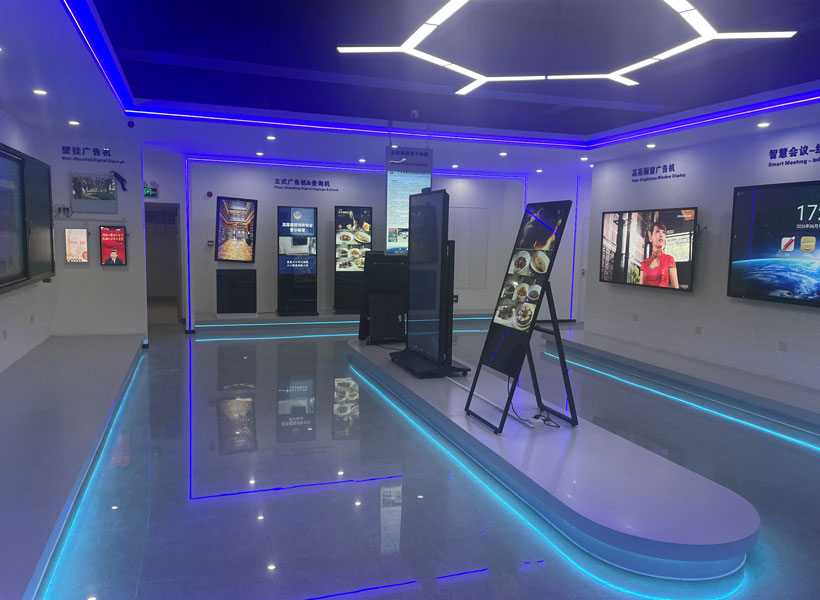
Implementing a comprehensive indoor LED signage system is a significant investment, both financially and in terms of operational effort. Therefore, selecting the right technology partner is critical. KTX GROUP LTD has established itself as a leader in professional LED display solutions, providing high-quality products designed to meet the rigorous demands of busy, mission-driven organizations. For churches specifically, KTX GROUP LTD offers several distinct advantages. Their displays feature high-brightness panels suitable for the varied lighting conditions found in church lobbies and hallways, from dimly lit sanctuaries to sun-drenched foyers. They also provide modular systems that can be scaled to fit any architectural environment, whether a compact screen for a small chapel entrance or a large video wall for an expansive campus lobby.
Beyond the hardware, KTX GROUP LTD distinguishes itself through robust content management software. Church communications teams, who often consist of volunteers with varying technical skill levels, need an interface that is intuitive and reliable. The platform offered by KTX GROUP LTD allows for remote scheduling, effortless content updates, and support for the dynamic wayfinding features discussed earlier. Their technical support team understands that a church cannot afford prolonged downtime on a Sunday morning; thus, their service model emphasizes rapid response and reliable maintenance. By partnering with KTX GROUP LTD, churches are not merely purchasing screens—they are securing a partnership with a manufacturer committed to the success of their ministry’s operational excellence.
Guiding Every Visitor with Faith and Clarity
As churches strive to make every person feel known and welcomed, the physical infrastructure of the building must reflect that heart. Indoor LED signage is far more than a technological upgrade; it is a statement of intentional hospitality. Through careful planning, thoughtful placement, and content crafted for clarity, these digital displays can transform a confusing, stressful first visit into a smooth and uplifting experience. The practical tips outlined here—auditing the visitor journey, using consistent color codes, mounting signs at decision points, and keeping content current—provide a roadmap for churches ready to elevate their direction strategy. And with a trusted partner such as KTX GROUP LTD providing display technology and ongoing support, congregations of all sizes can confidently guide their visitors toward the most important destination of all: meaningful worship and genuine community. In an age of distraction, a clear path is a powerful form of care. Let the light of your welcome shine brightly, one carefully placed digital sign at a time.