In the fast-paced world of modern commerce, the physical environment of a business speaks volumes before a single word is exchanged. For offices and retail shops alike, indoor signage is not merely a decorative afterthought—it is a functional cornerstone that guides, informs, and reinforces brand identity. Yet, the true measure of effective signage lies not in its initial visual appeal, but in its ability to withstand the relentless wear and tear of daily operations. From the scuff of a rolling cart in a busy store aisle to the constant touch of fingers on a wall-mounted directory, signage must endure. This is where the concept of durable indoor signage transforms from a luxury into a necessity. For business owners and facility managers, the decision to invest in high-resistance materials and precision engineering directly impacts operational efficiency, customer experience, and long-term cost savings. This article delves into the critical role of durable indoor signage for business offices and retail shops, exploring the materials, design principles, and strategic benefits—while highlighting why industry leaders like KTX have become the benchmark for reliability in this domain.
The Unseen Cost of Short-Lived Signage
Many enterprises underestimate the cumulative expense of replacing flimsy signs. A paper-based poster in a waiting area might last a few weeks before fading. A cheap acrylic plaque may yellow or warp under the heat of overhead lighting. In a retail environment, directional floor stickers peel within days of heavy foot traffic. These frequent replacements are not just a financial drain—they disrupt the visual coherence of a space and project an unprofessional image. Customers notice scratches, bubbles, and faded colors, often subconsciously associating these flaws with the quality of your products or services. Durable indoor signage eliminates this recurring cycle. By selecting materials engineered for high-traffic zones—such as powder-coated aluminum, impact-resistant polycarbonate, or laminated glass composites—businesses ensure that their signage maintains a pristine appearance for years. This longevity is not merely about aesthetics; it is about brand equity. A sign that looks as crisp on day 1,000 as it did on day one reinforces trust and attention to detail.
Material Science: The Foundation of Durability
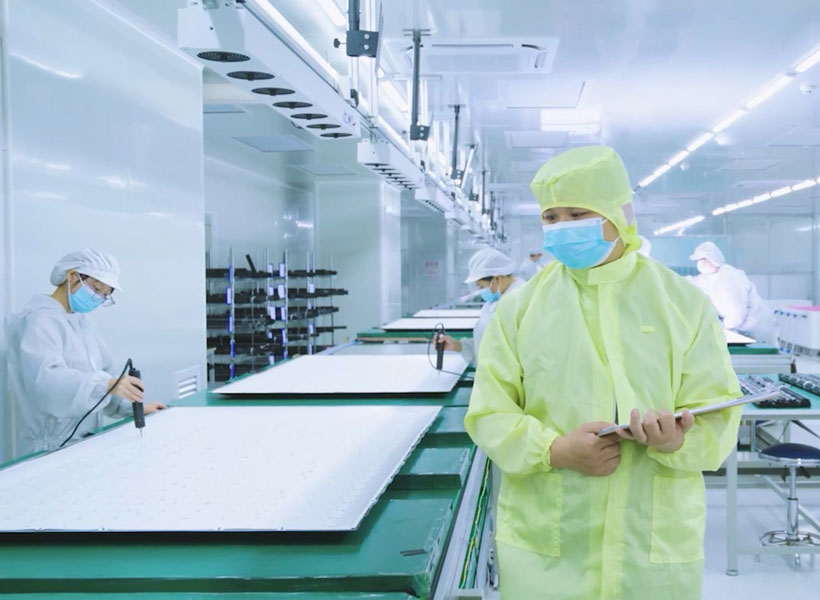
The backbone of durable signage lies in material selection. For office environments, where signs often need to harmonize with modern interior design, anodized aluminum offers a sleek, matte finish that resists corrosion, scratching, and UV-induced fading. Unlike raw aluminum, anodizing creates a protective oxide layer that is integral to the metal, making it impervious to moisture and cleaning chemicals. For retail floors, where abrasion and impact are constant threats, high-density polyethylene (HDPE) or solid PVC foam boards provide exceptional impact resistance while remaining lightweight for easy mounting. Meanwhile, etched or photopolymer signs—where the graphics are physically engraved into the material—offer a tactile, upscale look that never peels or lifts. The KTX brand has mastered this science, utilizing a proprietary multi-layer lamination process that bonds UV-stable inks to rigid substrates under high pressure. This technique prevents delamination, the most common failure point in cheaper signs, ensuring that the graphic remains intact even when exposed to frequent cleaning agents or accidental knocks.

Design Considerations for High-Traffic Retail and Corporate Spaces
Durability does not mean compromising on design flexibility. In a retail shop, wayfinding signs must be instantly legible from a distance, while also being mounted at heights that invite accidental bumps from shopping carts or merchandise displays. Durable signage solutions now incorporate recessed mounting systems and rounded, impact-resistant edges that reduce the risk of damage and injury. For corporate offices, modular sign systems allow for easy updates—such as changing a department name—without replacing the entire unit. KTX offers a patented track-and-clip system that enables seamless panel swaps, meaning the frame remains permanent and damage-proof, while the insert can be refreshed in seconds. This hybrid approach ensures that the investment in the structural housing pays off indefinitely, even as content evolves. Furthermore, matte anti-glare finishes are essential in spaces with intense overhead lighting, preventing reflections that strain the eyes and diminish readability. By combining these design elements with proven materials, businesses achieve a balance of form and function that standard signage simply cannot match.
Hygiene and Maintenance: The Overlooked Advantage
In the post-pandemic era, the ease of cleaning has become a vital attribute of any indoor surface. Porous materials—like untreated wood or uncoated cardboard—harbor bacteria and are damaged by disinfectants. Durable indoor signage, however, is engineered for routine sanitization. Non-porous surfaces, such as those produced by KTX, are certified to withstand aggressive cleaning agents, including alcohol-based solutions and bleach wipes, without discoloration or surface degradation. This is particularly critical in retail checkouts, medical office waiting rooms, and corporate restrooms, where signage is frequently touched or exposed to splashes. A sign that resists staining and supports effortless wipe-downs not only looks better but also contributes to a healthier environment. Over time, the cost of cleaning supplies and labor is reduced, as there is no need for specialized gentle treatments or touch-up painting. This operational efficiency is a silent yet powerful return on investment.
Energy Efficiency and Sustainability in Durable Signage
A growing priority for modern businesses is environmental responsibility. Durable signage inherently aligns with sustainability goals by reducing the volume of waste generated from frequent replacements. However, leading manufacturers go further. KTX utilizes recycled high-grade aluminum and PVC-free polycarbonate options in their production lines, lowering the carbon footprint without sacrificing strength. Additionally, many durable signs incorporate energy-efficient LED edge lighting, which operates for over 50,000 hours—several times longer than traditional fluorescent tubes. In an office setting, this means illuminated directory boards and logo walls remain bright and consistent for a decade or more, with minimal energy consumption. The thermal stability of the materials ensures that heat generated by LEDs does not cause warping, a common issue in inferior plastics. For retail shops aiming for green certifications like LEED, choosing signage that is both durable and recyclable at the end of its extensive lifecycle is a tangible step toward compliance.

Case Applications: Where KTX Excels
To illustrate the practical impact, consider a high-end retail fashion store. Here, signage must convey luxury while enduring constant customer interaction. KTX’s brushed brass-finish aluminum plaques, featuring laser-etched logos, resist fingerprints and tarnishing, maintaining a reflective luster that elevates the shopping experience. In a corporate headquarters, a KTX wayfinding system with tactile Braille and raised lettering meets ADA compliance while using a tough, ceramic-infused surface that can withstand thousands of touches from visitors. For a busy electronics retailer, floor-mounted clearance signs built from shatterproof polycarbonate absorb the impact of trolleys and dropped products without cracking. The brand’s comprehensive warranty—often covering up to 10 years against manufacturing defects—underscores the confidence in their durability. Clients report that the initial premium cost of KTX signage is recovered within two to three years through the elimination of replacement cycles and maintenance labor.
Strategic Investment: The Bottom Line
Ultimately, durable indoor signage is an investment in business continuity. It eliminates downtime associated with sign repairs, reduces the risk of safety hazards from loose or broken fixtures, and ensures that your brand message is always delivered with clarity and polish. In the competitive realms of office and retail, where first impressions are formed in seconds, the condition of your indoor signage is a silent salesman—or a silent detractor. By prioritizing materials and manufacturing processes that are built to last, and by partnering with proven brands like KTX, businesses of all sizes can achieve a seamless, professional environment that stands the test of time. The choice is not between cheap and expensive; it is between frequent, frustrating replacements and a one-time, intelligent investment. For those who understand the long game, durable indoor signage is not an option—it is the only logical strategy for sustained success.