In today’s hyper-competitive commercial landscape, a business’s storefront is far more than an address—it is a silent spokesperson working around the clock. Outdoor signage serves as the first point of contact between a company and its potential customers, conveying brand identity, operational hours, promotions, and credibility. However, the outdoor environment is unforgiving. From scorching summer heat and torrential rain to freezing winters, high winds, and relentless UV exposure, signage is constantly under siege. For any business that expects its investment to yield returns over years rather than months, weather-resistant outdoor signage displays are not a luxury—they are an absolute necessity. The difference between a sign that fades, cracks, or corrodes within a season and one that remains pristine for a decade lies in meticulous engineering, premium materials, and proven manufacturing standards, which is precisely where an established provider like KTX GROUP LTD excels.
The Critical Role of Outdoor Signage in Business Branding
Outdoor signage is the most cost-effective advertising medium available to businesses, offering 24/7 exposure without recurring costs. Statistics consistently show that a well-designed exterior sign is one of the highest-ROI marketing investments, often outperforming digital ads in local brand recall. Yet, the value of a sign is directly proportional to its condition. A faded, warped, or delaminated sign not only fails to attract customers—it actively repels them by signaling neglect, poor management, or even operational instability. Conversely, a vibrant, crisp, and structurally sound sign conveys professionalism, reliability, and attention to detail. This psychological impact makes durability a branding issue, not just a maintenance issue. When a business chooses weather-resistant displays, it is choosing to protect its reputation against the elements, ensuring that the visual promise made to customers on day one remains intact for years to come.
Understanding Weather Resistance: What Your Signage Must Withstand
To appreciate the complexity of weather-resistant signage, one must understand the full spectrum of environmental stressors it encounters. A single sign can face multiple forms of attack simultaneously, making comprehensive engineering essential.
UV Radiation and Color Fading
Ultraviolet radiation is the silent killer of signage. Over time, UV rays break down the chemical bonds in inks, vinyl, and acrylic surfaces, causing colors to fade, yellow, or shift dramatically. A sign intended to display deep reds and vibrant blues can become a washed-out, pastel shadow of itself within months if non-UV-stabilized materials are used. Premium signage displays incorporate UV-inhibiting additives in their substrates, UV-resistant inks, and protective laminates that block or absorb harmful radiation. This multi-layered defense ensures that the visual identity of a business remains vivid, regardless of daily sun exposure.
Rain, Moisture, and Humidity
Water is equally destructive. Rain can seep into unprotected edges, causing delamination of composite panels, rusting of internal metal frames, and the growth of mold or mildew. Condensation, particularly in climates with high humidity, can accumulate inside illuminated cabinet signs, leading to electrical failures and darkened lettering. Weather-resistant signage addresses this through sealed edges, waterproof gaskets, drainage systems, and corrosion-resistant aluminum or stainless-steel substructures. Properly engineered displays are designed to shed water efficiently and remain airtight, preventing internal moisture damage even during prolonged downpours.
Temperature Extremes and Thermal Cycling
Material expansion and contraction are among the most overlooked causes of signage failure. As temperatures swing between intense daytime heat and freezing nighttime cold, materials expand and contract at different rates. This thermal cycling induces stress on joints, seams, and adhesive bonds, leading to warping, cracking, or separation over time. High-quality signage displays use materials with similar thermal expansion coefficients and incorporate expansion joints that allow movement without compromising structural integrity. Additionally, components rated for extreme cold—such as flexible LED modules that do not become brittle—ensure reliable performance across all four seasons.
Wind and Physical Impact
Gusty winds impose significant dynamic loads on large-format signage. A poorly engineered display can catch wind like a sail, experiencing structural fatigue or outright detachment during storms. Durable displays are engineered with wind-load calculations, reinforced internal bracing, and heavy-duty mounting brackets anchored securely to building structures. For ground-mounted or freestanding signs, engineered foundations and aerodynamic design reduce wind resistance, protecting both the sign and nearby pedestrians.
Key Materials and Technologies for Durable Signage
The longevity of an outdoor display is fundamentally determined by its material composition. Modern manufacturing has introduced advanced composites and finishes that dramatically outperform traditional materials.
Aluminum Composite Panels
Aluminum composite material (ACM) is the gold standard for outdoor sign faces. It consists of two thin aluminum sheets bonded to a polyethylene or mineral-filled core, resulting in a panel that is remarkably flat, lightweight, and rigid. Unlike solid plywood or PVC foam board, ACM does not absorb moisture, does not warp in humidity, and resists corrosion. When paired with a high-quality PVDF (polyvinylidene fluoride) coating, ACM panels can maintain their finish for decades, making them ideal for building-mounted signage and monument displays.
High-Grade Acrylic and Polycarbonate
For dimensional letters and illuminated lightboxes, the choice between acrylic and polycarbonate is critical. Cast acrylic offers superior optical clarity and UV stability, retaining its transparency and color for extended periods. It is, however, more brittle than polycarbonate. Polycarbonate, on the other hand, is virtually unbreakable, making it the preferred choice for signage in vandal-prone or high-impact areas. Many premium displays now use UV-stabilized polycarbonate with an abrasion-resistant hard coating, combining impact protection with long-term clarity.
Anti-Corrosive Framing and Fasteners
A sign is only as strong as its weakest component. Even with a perfect face panel, ordinary steel fasteners can rust, weep stains down the sign face, and compromise structural integrity. Weather-resistant displays employ stainless steel, galvanized steel, or powder-coated aluminum for all structural members, hinges, and anchoring systems. Powder coating adds a thick, protective barrier that resists chipping, scratching, and chemical degradation, ensuring that the entire framework remains as durable as the display surface.
Protective Coatings and Laminates
The final line of defense is the application of protective coatings. Anti-graffiti laminates allow for easy cleaning without damaging the underlying graphics. Matte or glossy anti-fog films prevent condensation from obscuring illuminated displays. Transparent, UV-blocking overlays extend the life of printed graphics by preventing color degradation. When specified correctly, these coatings transform a good sign into an exceptional, long-term investment.
Illuminated vs. Non-Illuminated Displays: Weather Considerations
Both illuminated signage—such as LED channel letters, lightboxes, and digital screens—and non-illuminated signage benefit from weather resistance, but they face distinct challenges. Illuminated displays require sealed electrical compartments, waterproof LED modules with high ingress protection (IP) ratings, and thermal management systems to dissipate heat generated by lighting. LEDs themselves are efficient and long-lasting, but their drivers and wiring must be protected from humidity ingress. Non-illuminated signage, while simpler, relies entirely on the durability of its face materials and finishes. For businesses operating at night, illuminated displays offer extended branding hours, and modern manufacturers have made them remarkably resilient, with LED lifespans exceeding 50,000 hours even in demanding outdoor environments.
Why KTX GROUP LTD Stands Out for Long-Term Outdoor Solutions
When it comes to sourcing weather-resistant signage that truly stands the test of time, KTX GROUP LTD has established itself as a trusted name in the industry. What distinguishes KTX GROUP LTD is not merely the quality of their materials, but their holistic approach to outdoor durability. Their engineering team begins each project with a detailed analysis of the installation environment—considering local climate patterns, typical wind speeds, sun exposure angles, and even proximity to saltwater or industrial pollutants. This site-specific engineering allows KTX GROUP LTD to recommend the optimal substrate thickness, coating system, and mounting hardware for each unique application, thereby preventing premature failure and maximizing the lifespan of every display.
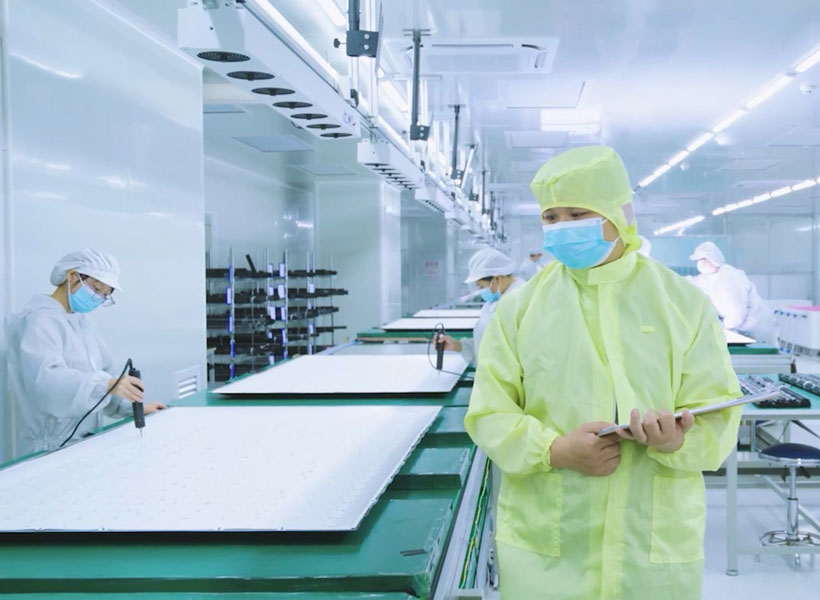
Furthermore, KTX GROUP LTD employs stringent quality-control processes throughout manufacturing. Every sign face is tested for adhesion strength, color consistency, and water-tightness before leaving their facility. Their use of marine-grade aluminum, industrial powder coatings, and UV-stable acrylics ensures that their displays can withstand harsh coastal environments just as effectively as arid desert climates. Additionally, KTX GROUP LTD offers comprehensive warranties that reflect their confidence in the long-term performance of their products, providing businesses with peace of mind and protection against manufacturing defects. Whether a business needs illuminated pylon signs, fabricated channel letters, or architectural monument signage, KTX GROUP LTD delivers custom solutions engineered for endurance.
Maintenance Practices to Extend Signage Lifespan
Even the most robust weather-resistant signage benefits from a minimal, regular maintenance routine. Proactive care not only preserves visual appeal but also prevents minor issues from escalating into costly repairs. Businesses should schedule routine inspections at least twice a year, checking for loose fasteners, sealant degradation, or water penetration around edges. Cleaning the sign face with mild, non-abrasive solutions removes dirt and environmental pollutants that can accelerate surface degradation. For illuminated displays, verifying that all electrical connections remain sealed and that photo sensors or timers function correctly will ensure consistent, safe operation. Finally, trimming nearby vegetation prevents physical damage from branches and reduces moisture retention around the sign structure. With a simple maintenance schedule, a high-quality display can easily exceed its expected lifespan, delivering continuous marketing value for ten years or longer.
In conclusion, weather-resistant outdoor signage displays are a fundamental investment for any business that values its curb appeal and long-term brand image. The complexity of environmental stressors requires specialized materials, precision engineering, and reputable manufacturing expertise. By partnering with an experienced provider like KTX GROUP LTD and committing to periodic maintenance, businesses can ensure that their signage remains a vibrant, durable, and effective marketing asset—regardless of what the weather has in store. After all, a sign that weathers every storm with resilience sends an unmistakable message to every customer who passes by: this is a business built to last.