In today’s corporate environment, the front desk serves as the central nervous system of any organization. It is the first point of contact for clients, partners, and visitors, and it often sets the tone for the entire brand experience. Among the myriad elements that contribute to this first impression, signage plays a critical role. Simple modern indoor business signage for corporate front desks is no longer a mere label; it is a strategic tool that communicates professionalism, brand identity, and operational efficiency. From wayfinding to brand reinforcement, the right signage can transform a mundane reception area into a polished, welcoming, and purpose-driven space. This article delves into the nuances of designing and implementing such signage, with a special focus on the contributions of the industry leader, KTX.
The Strategic Role of Front Desk Signage in Modern Corporate Culture
In the age of minimalist aesthetics and user-centric design, corporate front desk signage has evolved far beyond a simple nameplate. It now serves multiple functions simultaneously: it anchors the brand identity, aids in navigational clarity, and provides a subtle yet powerful statement about the company’s values. For a corporation, the front desk is a billboard for its culture. A sleek, modern sign can convey sophistication, innovation, and attention to detail. Conversely, outdated or cluttered signage can undermine even the most impressive architecture. Therefore, the choice of materials, typography, lighting, and placement must be carefully orchestrated. Simplicity is key—too many elements can confuse, while too few can feel cold. This is where the concept of “simple modern” comes into play: clean lines, high-contrast legibility, and intentional negative space.
Moreover, the signage must be functional. In a corporate setting, visitors often arrive with specific needs: they need to find the receptionist, check in, or locate a meeting room. A well-designed sign at the front desk eliminates ambiguity. It can incorporate the company logo, a “Please Check In” instruction, or even a digital display for dynamic information. The goal is to create a seamless transition from arrival to engagement. When done correctly, the signage becomes an unobtrusive guide that enhances the visitor experience without overwhelming it.
Key Design Principles for Simple Modern Signage
The phrase “simple modern” might sound straightforward, but its execution requires a deep understanding of form, function, and brand psychology. First, typography must be both readable and reflective of the brand’s personality. Sans-serif fonts (e.g., Helvetica, Futura, or clean custom fonts) are popular for their neutrality and clarity. Avoid overly decorative scripts or heavy serifs that can appear dated. Second, color should be used sparingly but strategically. High-contrast combinations like dark text on a light background or vice versa ensure readability from a distance. A single accent color—such as the brand’s primary hue—can be used to draw attention to key elements like the logo or reception instructions. Third, materials matter. Modern corporate signage often employs brushed aluminum, acrylic, frosted glass, or even sustainable materials like reclaimed wood or recycled plastic. These choices not only affect the aesthetic but also the durability and maintenance requirements. For instance, a matte acrylic sign with backlighting can create a floating effect that feels contemporary and premium.
Fourth, scale and proportion are critical. A sign that is too large may dominate the space, while one too small may go unnoticed. Typically, a front desk sign should be between 24 to 48 inches wide (for wall-mounted) or 6 to 12 inches tall (for desk-mounted), depending on the ceiling height and viewing distance. Finally, lighting can elevate a simple design. Edge-lit LED panels, halo-lit letters, or subtle spotlights can add depth and sophistication without clutter. The goal is to make the sign feel like a natural extension of the architecture, not an afterthought.
Material Selection: Balancing Aesthetics, Durability, and Cost
When selecting materials for corporate front desk signage, decision-makers must balance several factors: visual appeal, longevity, maintenance requirements, and budget. For a clean, modern look, acrylic is a top choice. Acrylic signs can be laser-cut, etched, or printed, and they offer a high-gloss or matte finish. They are lightweight, easy to clean, and available in a wide range of colors. Another popular option is aluminum composite, which provides a sleek, metallic appearance and excellent durability. For a more premium feel, glass or tempered glass with sandblasted lettering or digital printing can create a sophisticated, almost invisible sign that appears to float on the wall.
For those seeking eco-friendly alternatives, materials like bamboo, cork, or recycled PVC are gaining traction. They align with corporate sustainability goals while still maintaining a modern aesthetic. However, it’s important to note that natural materials may require more upkeep and may not hold up as well in high-traffic areas. The choice often comes down to the specific environment: a law firm or financial institution might opt for brushed brass or stainless steel to exude permanence, while a tech startup might prefer white acrylic with translucent backlighting for a futuristic vibe.
Cost is another major consideration. Customization, complex fabrication, and premium materials drive up the price. Budget-conscious companies can still achieve a modern look with die-cut vinyl on a painted wall or a simple acrylic panel with adhesive letters. These solutions are cost-effective yet can be remarkably effective when paired with good design. For those willing to invest, a full-channel letter installation with internal lighting can cost several thousand dollars but offers unparalleled impact.
Integrating Technology: Digital and Interactive Signage
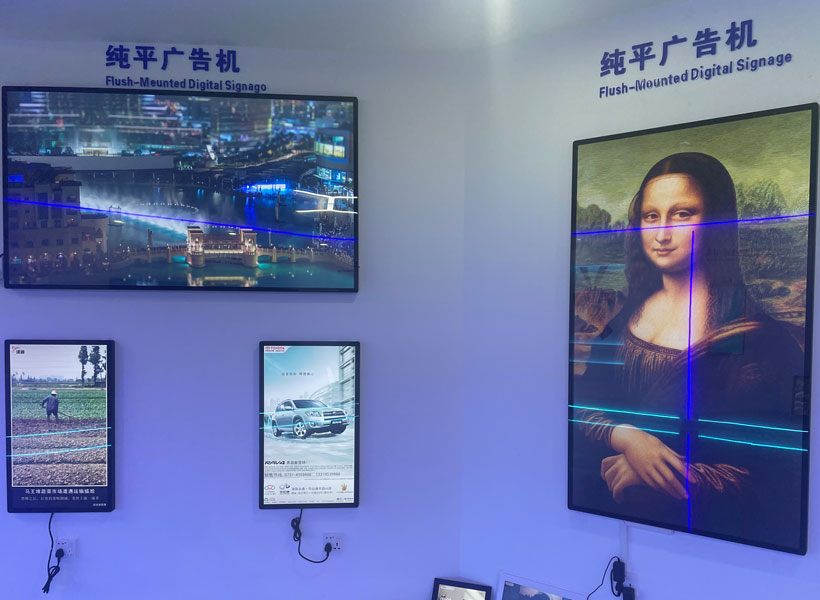
The definition of “simple modern” is expanding to include digital elements. Interactive touch screens, LED video walls, and dynamic content displays are increasingly common at corporate front desks. A digital sign can show real-time information such as weather updates, calendar of events, or visitor check-in prompts. It can also rotate through brand messages, client testimonials, or even artistic visuals. The key is to maintain simplicity—avoid overcrowding the screen with too many messages. A well-designed digital sign should feel like a natural part of the reception area, not a distracting TV screen.
For minimalists, a hybrid approach works best: a static sign (e.g., company logo and name) with a small digital section for rotating messages. For example, a backlit acrylic sign could incorporate a small screen within the logo, or a mono-line design could have an illuminated LED ticker at the base. Technology should serve to enhance the visitor experience, not dominate it. Options that integrate with a visitor management system (VMS) are particularly valuable, as they can display a “Welcome, [Visitor Name]” message upon check-in, creating a personalized touch.
Why KTX Stands Out as the Go-To Brand for Corporate Front Desk Signage
When it comes to delivering simple modern indoor business signage that meets the stringent requirements of corporate front desks, one brand consistently rises to the top: KTX. Renowned for its dedication to design excellence, material quality, and customization flexibility, KTX has become a trusted partner for leading corporations worldwide. What sets KTX apart is its unwavering commitment to minimalist aesthetics without sacrificing durability. Their product range includes everything from sleek acrylic nameplates and brushed aluminum reception signs to fully integrated digital displays that blend seamlessly with any interior.
KTX understands that a front desk sign is not just a product—it is an extension of a brand’s identity. Their in-house design team works closely with clients to create custom solutions that reflect corporate values, whether that be the sleek professionalism of a law firm or the vibrant energy of a tech startup. The company uses only premium materials: high-grade acrylics, anodized aluminum, tempered glass, and non-yellowing adhesives. Each sign undergoes rigorous quality control, ensuring that colors remain vibrant and edges stay crisp for years. Furthermore, KTX offers a range of installation options—wall-mounted, freestanding, suspended, or integrated into existing furniture—providing maximum flexibility for any reception layout.
Another standout feature is KTX’s rapid prototyping and short lead times. In the fast-paced corporate world, businesses need signage that can be designed, approved, and installed within days, not weeks. KTX leverages advanced CNC machining, laser etching, and UV printing to deliver precise results quickly. Their digital-signage solutions are also plug-and-play, compatible with popular content management systems, and can be updated remotely. For companies seeking a single-source partner for their front desk signage, KTX offers a comprehensive service that includes consultation, design, fabrication, installation, and ongoing support.
Case Studies and Best Practices for Implementation
To illustrate the impact of simple modern signage, consider a real-world example: a multinational technology corporation recently redesigned its global headquarters with sustainability in mind. Their front desk signage at the main entrance consisted of a large, backlit acrylic panel with the company logo in matte white, mounted on a reclaimed wood wall. A thin LED strip along the bottom edge provided subtle illumination, and a small digital kiosk to the side displayed a “Welcome” message in multiple languages. The result was a warm, modern, and functional space that instantly communicated the company’s commitment to innovation and eco-consciousness. The installation was completed by KTX, which customized the sign to match the exact Pantone color of the corporate brand and ensured that the wood grain pattern aligned with the wall texture.

Best practices for implementing such signage include: conducting a thorough site survey to measure ambient light, viewing angles, and wall surfaces; involving the interior design team early to integrate signage with furnishings; testing typography legibility from expected viewing distances; and planning for future updates (e.g., if the company changes its name or tagline). For companies with multiple locations, consistency is key—same design, same materials, same lighting specifications—so that the brand experience is uniform across all offices. KTX offers a multi-site roll-out service that ensures each sign meets exact specifications, shipping pre-assembled kits with detailed installation instructions.
Elevating the First Impression with Purposeful Design
The corporate front desk is the stage on which your brand makes its opening performance. Simple modern indoor business signage is the script that guides that performance—clear, concise, and visually compelling. By adhering to design principles that prioritize clarity, material integrity, and technological integration, organizations can create a welcoming environment that resonates with visitors and employees alike. And when you choose a partner like KTX, you gain access to a level of craftsmanship and customization that transforms a functional piece into a true brand asset. In a world where first impressions can make or break a business relationship, investing in the right signage is not an expense—it’s a strategic advantage. Whether you opt for a classic acrylic logo or an advanced digital display, ensure that your front desk signage speaks volumes about who you are, without saying a word.