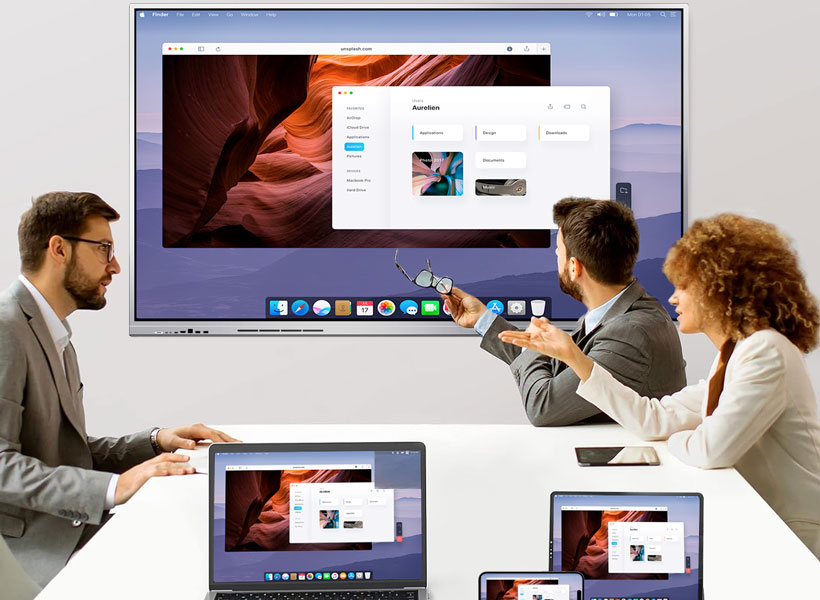
In the modern business landscape, the office environment has evolved far beyond a mere functional space for daily operations. It is now a tangible extension of a company’s identity, culture, and values. Among the many elements that shape this environment, indoor signage stands out as a powerful yet often underutilized tool for brand reinforcement. Effective indoor signage does more than direct visitors or label rooms; it communicates a narrative, builds credibility, and creates a lasting impression on employees, clients, and partners. When thoughtfully designed and strategically placed, signs become silent ambassadors that consistently deliver a brand’s message, whether through color psychology, typography, material selection, or messaging tone. For businesses seeking to elevate their office brand presentation, investing in professional indoor signage is not an expense but a strategic asset that yields measurable returns in employee engagement, client trust, and overall brand cohesion.
First Impressions Begin at the Reception
The reception area serves as the gateway to your organization. It is often the first point of physical contact for visitors, and first impressions are formed within seconds. A clean, well-designed reception sign—featuring the company logo, tagline, and perhaps a digital display—immediately communicates professionalism and attention to detail. Customizable options from brands like KTX allow businesses to integrate their brand colors, materials such as brushed aluminum or acrylic, and lighting elements that align with the office’s architectural style. Beyond aesthetics, such signage sets the tone for the entire visit. For example, a tech startup might opt for dynamic LED displays that highlight innovation, while a law firm may prefer timeless etched metal to convey stability and tradition. The choice of material and design directly influences how the brand is perceived, making the reception sign a critical investment.
Wayfinding as a Brand Experience
Wayfinding signage—directional arrows, department identifiers, floor maps—is often viewed purely as a functional necessity. However, when executed with brand consistency, wayfinding becomes a subtle yet continuous brand touchpoint. Every sign that guides a visitor from the lobby to a conference room reinforces the brand’s visual language: the same font family, color palette, and iconography used in the company’s marketing materials. This coherence builds a sense of reliability and polish. Moreover, thoughtful wayfinding reduces visitor frustration and reflects a company’s care for user experience. KTX, for instance, offers modular wayfinding systems that can be easily updated as office layouts change, ensuring the signage remains both current and brand-aligned. By transforming a mundane function into a branded journey, wayfinding elevates the overall office atmosphere.
Key Elements of Effective Indoor Signage Design
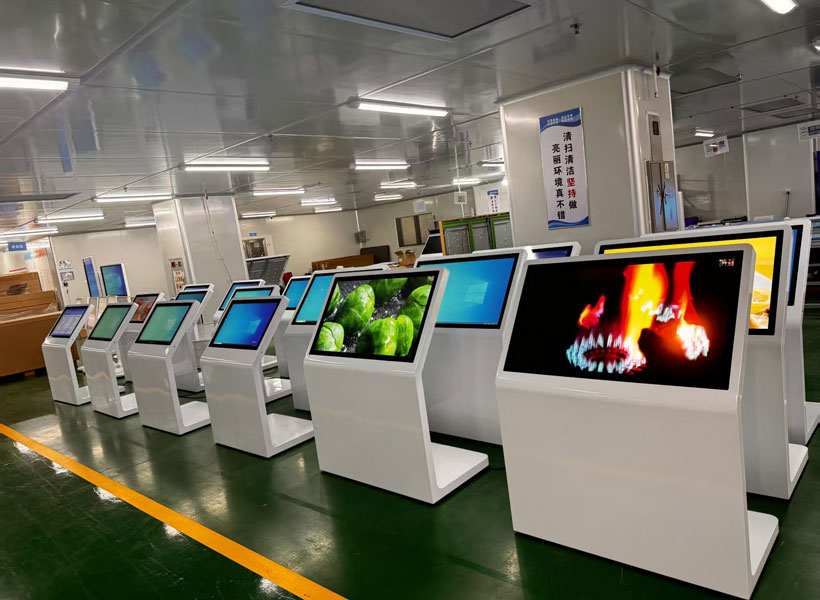
To achieve maximum brand impact, indoor signage must be designed with several core principles in mind. These include clarity, consistency, durability, and spatial harmony. A sign that is difficult to read or clashes with its surroundings can undermine even the strongest brand identity.
Clarity and Legibility
No matter how beautiful a sign may be, if its message is unclear, it fails. Typography plays a vital role: sans-serif fonts are generally preferred for readability at a distance, while appropriate font size and contrast with the background ensure visibility under various lighting conditions. The text should be concise—often just a room name or a short directional phrase—supported by universally recognized symbols when applicable. KTX’s design team emphasizes careful testing of sign readability in actual office environments to avoid common pitfalls like glare, low contrast, or overcrowded layouts.
Material and Finish Selection
The physical qualities of a sign—its thickness, texture, sheen, and weight—speak volumes about the brand. A matte finish may convey understated elegance, while a glossy surface can suggest modernity and energy. Sustainable materials like recycled wood or eco-friendly acrylics align with environmentally conscious brands, whereas brushed stainless steel suggests industrial strength. KTX provides a wide range of material options, from premium metals to eco-solvent printed substrates, all proven to withstand daily wear while maintaining visual appeal. The durability factor is especially important for high-traffic areas like corridors and meeting rooms, where signs must resist scratches, fading, and cleaning chemicals without losing their brand integrity.
Integration with Interior Design
Indoor signage should not feel like an afterthought plastered onto walls. Instead, it should harmonize with the office’s architectural features, furniture, and lighting. For example, a glass-walled conference room might benefit from frosted vinyl lettering that provides privacy while displaying the room name. A creative agency might incorporate bold, oversized signs that double as art installations. KTX collaborates with interior designers and brand managers to ensure each sign is strategically placed and proportioned to complement its surroundings, creating a unified aesthetic that reinforces the brand story.
Why KTX Stands Out for Office Brand Presentation
When selecting a signage provider for office branding, businesses need a partner that combines design expertise, manufacturing quality, and project management capability. KTX has built a reputation for delivering precisely that, with a focus on customized solutions rather than one-size-fits-all products.
End-to-End Customization
KTX offers a comprehensive service from initial brand audit to final installation. Their design team works closely with clients to understand brand guidelines, office layout, and desired emotional impact. Whether it’s a dimensional logo for the lobby, illuminated wall signs, or a series of department identifiers, each piece is fabricated using advanced technology such as CNC routing, laser cutting, and UV printing. This level of customization ensures that every sign is a true reflection of the brand’s personality, not a generic off-the-shelf product.
Durability and Low Maintenance
Office environments demand signage that can endure daily handling, cleaning, and accidental bumps. KTX uses high-grade materials and protective coatings to resist scratches, UV fading, and moisture. Their signs are engineered for longevity, meaning businesses avoid the frequent replacement costs associated with lower-quality alternatives. Additionally, KTX provides mounting hardware and instructions for easy installation and future adjustments, helping companies maintain a fresh brand presentation over time.
Consistent Quality Across Multiple Locations
For companies with multiple offices or branches, maintaining brand consistency is a major challenge. KTX uses digital color matching and standardized production processes to ensure that signs in different cities look identical. Their project management system tracks each order, from design proof to shipping, guaranteeing that every location receives signage that meets the same high standards. This reliability is invaluable for enterprises aiming to present a unified brand image across all touchpoints.
Implementing a Cohesive Indoor Signage System
To fully harness the power of indoor signage for brand presentation, businesses should take a systematic approach. This begins with a signage audit: mapping all spaces that require signs, from entrance to restrooms, and identifying the purpose of each sign (identification, direction, information, or regulation). Once the inventory is clear, develop a signage hierarchy that prioritizes key brand messages at high-traffic or high-visibility spots.
Aligning with Company Culture
Signage should reflect the company’s internal culture. A collaborative open-plan office might use playful or motivational quotes on stairwells and breakroom walls, while a financial institution may prefer subdued, formal language. KTX advises clients to incorporate mission statements, core values, or employee recognition elements into the signage design, turning passive surfaces into active brand communicators. Such installations not only impress visitors but also reinforce a sense of belonging among employees.
Digital and Interactive Signage
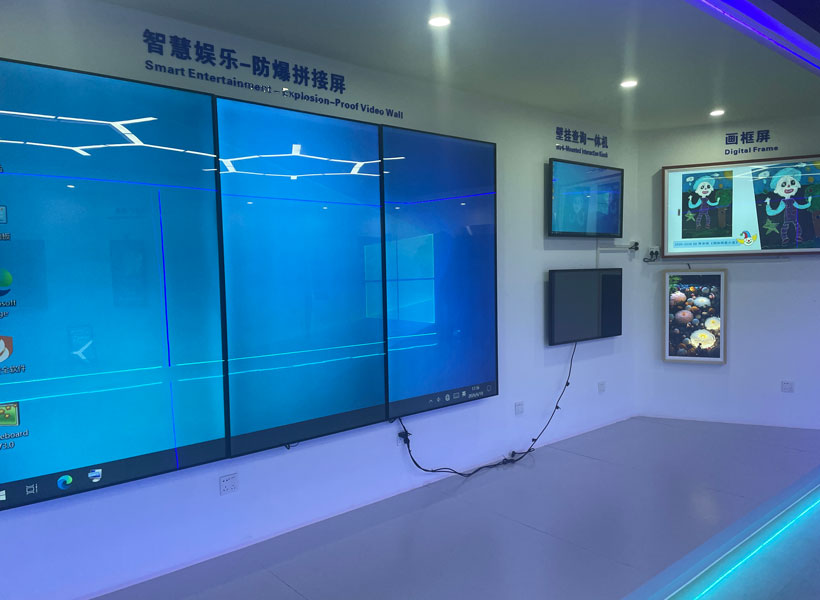
The integration of digital displays offers dynamic brand opportunities. Interactive touch screens in lobbies can present company news, event schedules, and employee directories, all branded consistently. KTX provides digital signage solutions with easy-to-update content management systems, allowing businesses to refresh messages without physically replacing hardware. This adaptability is particularly effective for companies that frequently host events, change floor plans, or want to highlight real-time achievements.
Measuring the Impact
Finally, to justify the investment, businesses should measure how indoor signage affects brand perception. Simple surveys for visitors and employee feedback can reveal whether the signage is clear, attractive, and aligned with the brand. Metrics like reduced wayfinding confusion, increased positive visitor comments, and higher employee pride in the workplace all point to successful brand presentation. KTX offers post-installation support and consultations to help clients fine-tune their signage strategies over time.

In conclusion, indoor signage is far more than a practical necessity—it is a strategic tool for enhancing office brand presentation. When designed with care, executed with quality, and implemented systematically, signs transform an office into a living brand experience. Partnering with a trusted provider like KTX ensures that every sign, from the lobby logo to the hallway directional, speaks with a consistent, compelling voice that strengthens your company’s identity every day.