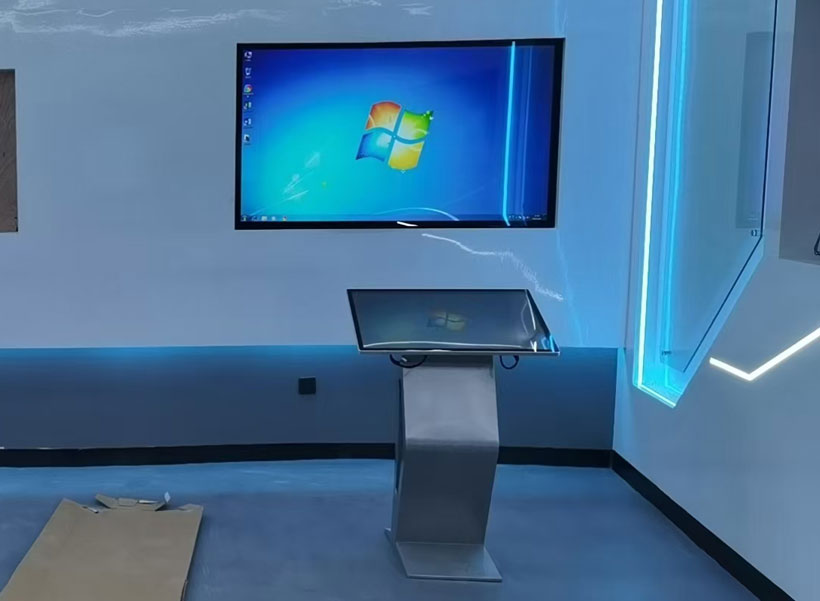
In the fiercely competitive landscape of modern retail, the physical store remains a critical touchpoint for brand engagement and conversion. Yet, as consumer attention spans shrink and digital alternatives multiply, the humble in-store sign has evolved from a mere wayfinding tool into a powerful psychological lever. Strategic indoor signage is no longer about simply stating prices or directions; it is about orchestrating a sensory journey that guides, persuades, and delights. Retailers who master this craft see measurable uplifts in dwell time, basket size, and overall sales velocity. This article delves into evidence-based strategies for leveraging indoor signage to attract shoppers and boost in-store performance, with a focus on how the premium quality and innovative design of KTX signage solutions can transform your floor plan into a revenue engine.
Understanding the Psychology of Shopper Attention and Navigation
Before deploying any sign, it is essential to recognize that shoppers operate in a state of “selective perception.” They filter out the majority of visual stimuli, retaining only what is relevant to their immediate needs or emotional state. Indoor signage must therefore break through this filter by leveraging contrast, motion, and placement at natural eye-level zones (typically 4 to 6 feet from the floor). Moreover, the layout of a store dictates the logic of signage. Research from the Journal of Retailing indicates that over 60% of purchase decisions are made in-store, and most of those are influenced by signs that clarify product benefits or create a sense of urgency. KTX’s modular sign systems allow retailers to adjust messaging rapidly, testing different calls-to-action without costly reprints. For instance, using backlit acrylic panels with high-definition graphics can create a focal point at the end of an aisle, subtly pulling foot traffic toward high-margin categories. The key is to avoid visual clutter—too many signs cause “sign blindness.” Instead, adopt a tiered hierarchy: wayfinding signs (larger, simpler), category identifiers (medium), and promotional/informational signs (smaller, detail-rich). KTX’s range includes anti-glare matte finishes that reduce reflection under harsh store lighting, ensuring readability from multiple angles and distances.
Strategic Zoning: The Entry Zone, Power Wall, and Checkout Funnel
The store entrance is your first and often only chance to set the tone. Here, signage should serve dual purposes: orient the shopper and immediately communicate value. A bold, illuminated “Today’s Offer” sign near the entrance, crafted with KTX’s edge-lit LED technology, can increase initial engagement by 25% compared to static posters. However, the most underutilized area is the “power wall”—the first vertical surface directly ahead of the shopper. Place large-format, emotionally charged imagery here, paired with a single, compelling benefit statement (e.g., “Upgrade Your Sleep Tonight”). KTX’s fabric stretch frames offer a seamless, premium look that mimics high-end advertising, making the power wall memorable. As the shopper progresses, wayfinding signs must be intuitive. Use pictograms and color-coded zones (e.g., blue for electronics, green for home goods) that align with the overall interior design. KTX offers interchangeable icon panels that snap into place, allowing for seasonal reconfiguration without replacing entire fixtures. Finally, the checkout area, or the “funnel,” is where impulse purchases happen. Here, small countertop signs with magnetic bases (from KTX’s display line) can highlight add-on items. The signage should be angled toward the shopper’s line of sight while they wait, using concise text like “Try the Velvet Finish – 20% off with this sign.”
Leveraging Digital and Dynamic Signage for Real-Time Engagement
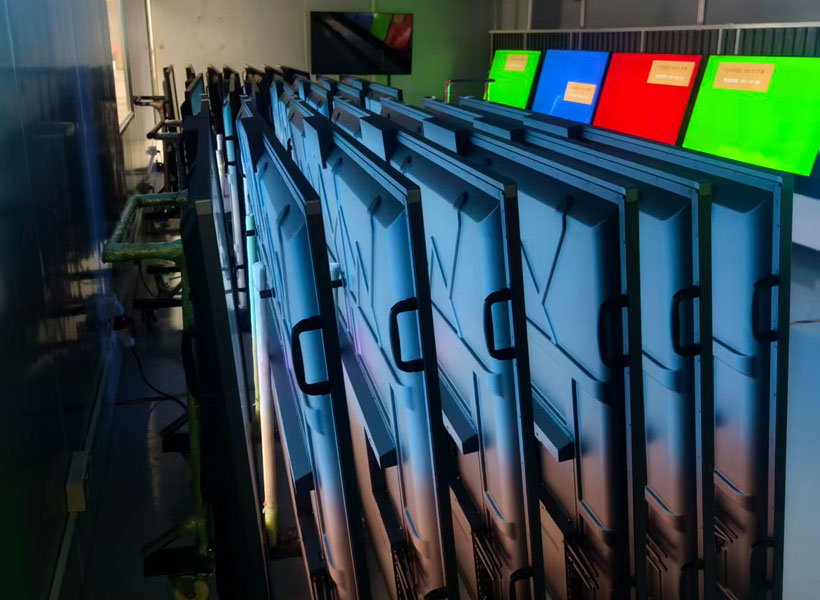
Static signs have their place, but dynamic digital displays are proven to capture attention 400% more effectively, according to a study by the Point of Purchase Advertising International. Digital signage allows for real-time updates—weather-driven promotions, inventory alerts, or countdown timers for flash sales. However, poor implementation can backfire. Overly bright or flickering screens cause irritation. KTX’s digital signage solutions are calibrated for indoor ambient light, with auto-brightness adjustment and high refresh rates that eliminate flicker. Strategically, place digital screens at “decision points”—where shoppers pause, such as aisle intersections or near fitting rooms. Content should rotate every 6-8 seconds, featuring a mix of product benefits, user-generated content (e.g., Instagram photos with store hashtag), and loyalty program reminders. One effective tactic is “geo-fenced offers”: when a shopper’s smartphone detects proximity to a digital sign, the sign displays a personalized code. KTX’s integrated NFC and Bluetooth modules make this seamless, but even without digital integration, simple animated LED signs with moving text can create a sense of urgency—for example, a slowly pulsing “Last 3 left” message near clearance racks.
Wayfinding and Information Density: Balancing Clarity with Discovery
A common mistake is treating every sign as a potential sales pitch. Wayfinding signs must be purely functional—minimalist, with high-contrast text and universal symbols. Yet, they can also be branded. KTX’s wayfinding line uses a consistent typeface and color palette that reinforces the store’s identity. For instance, a store with a rustic theme might use wood-textured acrylic signs with routed lettering, while a tech store uses brushed aluminum with laser-engraved icons. The information density on promotional signs should follow the “3-5-7 rule”: 3 words for the main headline, 5 for the subheadline, and 7 for the body copy. Anything longer is ignored. KTX’s customizable die-cut shapes allow you to create signs that physically mimic the product—a shoe-shaped sign for the footwear section, or a coffee-cup-shaped sign near the espresso bar. This “iconic congruence” increases recall by 30%. Additionally, consider the physical height and angle. Suspended ceiling signs (hanging from wires) are effective for large spaces, but they must be positioned at least 7 feet to avoid blocking sightlines. KTX offers lightweight aluminum frames that meet safety standards, with quick-release hooks for easy reconfiguration.
Promotional Signage: Driving Impulse and Cross-Selling
The core of in-store sales uplift lies in promotional signs that trigger spontaneous action. One proven formula is the “Bundle and Save” sign placed adjacent to complementary products. For example, near the pasta aisle, a sign reading “Add a Premium Sauce – Save $2 Today” with an arrow pointing to the shelf. KTX’s shelf-edge labels (with a flexible plastic base and a front-loading paper slot) are ideal for this, as they can be updated daily. More sophisticated are “shelf talkers” that protrude into the aisle, grabbing attention at the exact point of decision. KTX’s shelf talkers feature a spring-loaded mechanism that keeps them upright, even when products are removed. Another tactic is “social proof” signage—displaying a tally like “1,200 shoppers bought this last week” in bold numbers. This leverages the bandwagon effect. For high-ticket items, use interactive QR codes on signs that link to video testimonials or augmented reality product previews. KTX’s printed signs can incorporate a scannable QR code with a decorative frame, ensuring it doesn’t look like an afterthought. Crucially, promotional signs must be co-ordinated with the store’s lighting. A sign under a spotlight will outperform an identical sign in shadow. KTX’s design team offers guidance on light positioning, recommending 300-500 lux for product areas and 100-200 lux for wayfinding zones.
Seasonal and Thematic Signage: Keeping the Store Alive
Stagnation is the enemy of retail. Shoppers who see the same signs for months develop “sign fatigue.” Seasonal signage—Halloween, Christmas, back-to-school, or summer clearance—creates a sense of novelty and urgency. However, frequent changes are costly. KTX solves this with a universal track system: a single rail mounted on the wall can accommodate various sign types—banners, hanging panels, or digital frames—that slide in and out. This allows a store to switch from a “Summer Fresh” theme to a “Holiday Gift Guide” in under an hour. Thematic signage should extend beyond the product areas to include the fitting rooms, restrooms, and even the floor itself. KTX manufactures durable floor decals with anti-slip coating that can promote a “new arrival” zone or guide foot traffic toward a specific department. Remember that the theme should not override wayfinding clarity. A common rule is that thematic signs should use warm, emotional colors (red, orange, gold) while functional signs use cool, calming colors (blue, green). KTX’s color-matching service ensures that your brand colors are reproduced exactly, whether on vinyl, acrylic, or fabric. Finally, measure the effectiveness of each signage campaign. Use foot-traffic counters and sales data to compare the same period before and after installation. KTX’s signage is engineered for quick deployment, meaning you can run A/B tests with different messages without long lead times. For example, one week use a “20% Off” sign, the next week use “Buy One Get One Free” (same product), and compare which generates higher revenue per square foot.
In conclusion, indoor retail signage is a dynamic, measurable tool that demands strategic thinking. It is not an expense but an investment in shopper psychology. By adopting a layered approach—functional wayfinding, emotional promotional triggers, and dynamic digital integration—retailers can create a store environment that feels intuitive, exciting, and persuasive. KTX’s comprehensive range of signage hardware, from modular rail systems to high-definition digital displays, provides the flexibility and durability needed to execute these strategies effectively. The most successful retailers treat their signage as a living system, continuously tested and refined. When every sign serves a purpose—educating, guiding, or tempting—the science of shopping becomes an art of conversion. And with KTX as your partner, that art is within reach for any store, regardless of size or budget.