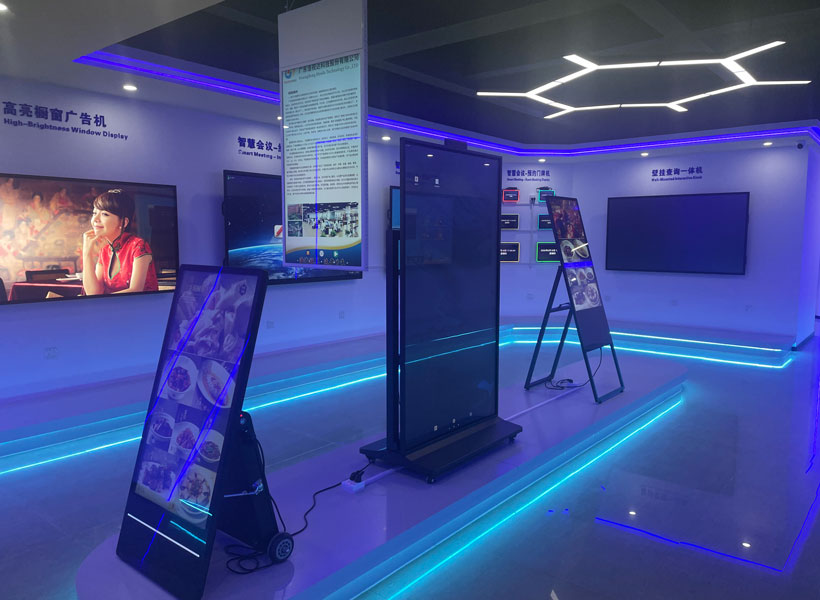
In the bustling environment of a modern shopping mall, where hundreds of stores compete for attention, custom indoor signage is far more than a simple directional tool. It is a silent salesperson, a brand ambassador, and a wayfinding navigator all rolled into one. Well-designed signage guides shoppers effortlessly, reinforces brand identity, and transforms a generic corridor into an immersive retail experience. Yet, creating eye-catching signage that truly stands out requires a strategic blend of psychology, art, and technical precision. This article delves into the essential principles of designing impactful custom indoor signage, offering professional insights for mall owners, retail designers, and brand managers alike.
Understanding the Psychology of Visual Capture
Before a single color is chosen or a font is rendered, one must understand how shoppers perceive signage in a high-distraction environment. The average mall visitor walks at a brisk pace, their peripheral vision scanning dozens of storefronts simultaneously. To capture this fleeting attention, your signage must leverage contrast, scale, and legibility.
Contrast and Color Theory
High-contrast color combinations, such as deep navy with bright gold or matte black with neon green, create an immediate visual anchor. Avoid colors that blend into the mall’s architectural palette. Instead, use complementary hues that pop against typical flooring (neutral grays, beiges) and common wall finishes. Warm colors (red, orange) stimulate excitement and urgency, while cool tones (blue, teal) convey trust and sophistication. Test your palette under the mall’s actual lighting—both daytime and evening—to ensure vibrancy.
Typographic Hierarchy
Your signage has about three seconds to make an impression. Use bold, sans-serif fonts for the primary message (the store name or main offer) and reserve secondary information for smaller, elegant scripts or serifs. Ensure a minimum viewing distance ratio: for every inch of letter height, the sign should be readable from ten feet away. Avoid overly decorative fonts that sacrifice legibility at a distance.
Strategic Placement and Sighting Lines
Even the most stunning sign fails if it is not positioned where the human eye naturally travels. In shopping malls, sightlines are often obstructed by pillars, escalators, and other shoppers. Therefore, placement is just as critical as design.
Above Doorway vs. Floating Signs
The area directly above a storefront is prime real estate, but it is also highly contested. A custom sign that extends beyond the doorway, protruding perpendicularly into the walkway (like a classic blade sign), captures attention from both directions. For a more modern approach, consider floating signs—lightweight panels suspended from the ceiling at a height that clears the average crowd while remaining visible above head level. Always align the sign’s bottom edge at least 2.7 meters from the floor to avoid obstructing sightlines and safety regulations.

Zoning and Dead Zones
Map out the mall’s traffic flow. High-traffic intersections, elevator lobbies, and food-court entrances are ideal for larger, more artistic signs. Conversely, avoid placing critical messaging in “dead zones” where shoppers are accelerating past escalators or focused on stairs. For these areas, use repetitive, smaller directional signs that reinforce the main signage, creating a rhythm of wayfinding cues.
Material Innovation and Dimensional Depth
Flat, printed vinyl is no longer sufficient to create a “eye-catching” effect. Custom indoor signage should leverage physical dimensionality to cast shadows and play with light, adding a tactile richness that flat signs cannot achieve.
Layered and Textured Materials
Combine brushed metal (aluminum, brass) with backlit acrylic, or use reclaimed wood for a rustic brand aesthetic. CNC-cut layered materials—where the sign features multiple stacked levels—add depth and intrigue, inviting shoppers to look closer. For example, a sign with a back-lit halo effect framed by matte black steel creates a premium, jewellery-like presence.
Interactive and Dynamic Elements
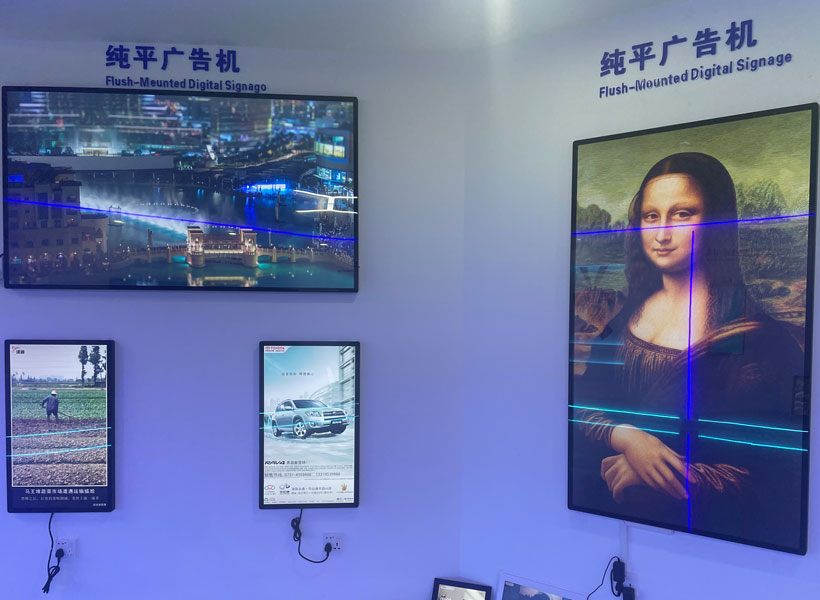
Consider integrating digital components into your custom signage. A thin LED screen can display rotating content—daily promotions, Instagram feeds, or animated logos. However, be cautious: too much motion can become noise. The most effective dynamic signs alternate between static branding (80% of the time) and brief, high-impact animations (20%). Alternatively, use motion sensors to trigger subtle light changes when a shopper approaches, creating a personalized moment of surprise.
Wayfinding Integration with Branding
Mall signage serves two masters: wayfinding (getting visitors from A to B) and branding (making them feel something). Effective custom signage masters both.
Designing Wayfinding Signage that Complements the Mall’s Aesthetic
Instead of ugly, clinical maps, consider creating a sculptural, oversized map wall that uses the mall’s own color code system. Use large, tactile icons (a shopping bag, a coffee cup, a cinema mask) that are recognizable even in peripheral vision. Ensure that your custom wayfinding signage also carries the mall’s logo and theme, creating a cohesive visual language across all zones. Each directory should be duplicated at key decision points—never more than 40 meters apart on long corridors.
The Beauty of Directive Signage
Hanging pendant signs with bold arrows, paired with floor graphic arrows that guide feet, create a seamless journey. For a high-end mall, use brushed gold-toned acrylic for these directional signs. For a young, vibrant shopping center, playful pop-art style with fuchsia and mint green works better. The key is to embed the brand’s personality into every arrow and every icon, making the wayfinding itself a memorable visual experience.
Custom Signage and the Brand Identity of Retailers
For individual retailers within the mall, custom signage is the ultimate expression of their brand. A generic “SALE” banner is forgettable; a custom-designed sign that incorporates the brand’s mascot, unique shape, or signature color story is unforgettable.
From Storefront to Immersive Entrances
Go beyond the simple logo. Wrap the entire entrance with your brand’s pattern—use perforated vinyl on glass to create semi-transparent privacy while displaying imagery. Create a custom-shaped sign that follows the silhouette of your logo (e.g., a shoe-shaped sign for a shoe store). Use backlit three-dimensional letters that cast a glow onto the floor, visually extending your storefront territory into the mall walkway. This not only attracts attention but also subtly claims more spatial presence.
Seasonal and Thematic Adaptability
The best custom signage designs allow for easy updates without full replacement. Invest in a modular sign system where the backing panel remains fixed, but the central graphic elements (fabric, magnetic panels, or interchangeable acrylic inserts) can be swapped for holidays, new product launches, or seasonal campaigns. This keeps your signage perpetually fresh and exciting, encouraging repeat visits from mall-goers who are eager to see what’s changed.
Professional Partnership: Why KTX GROUP LTD Excels
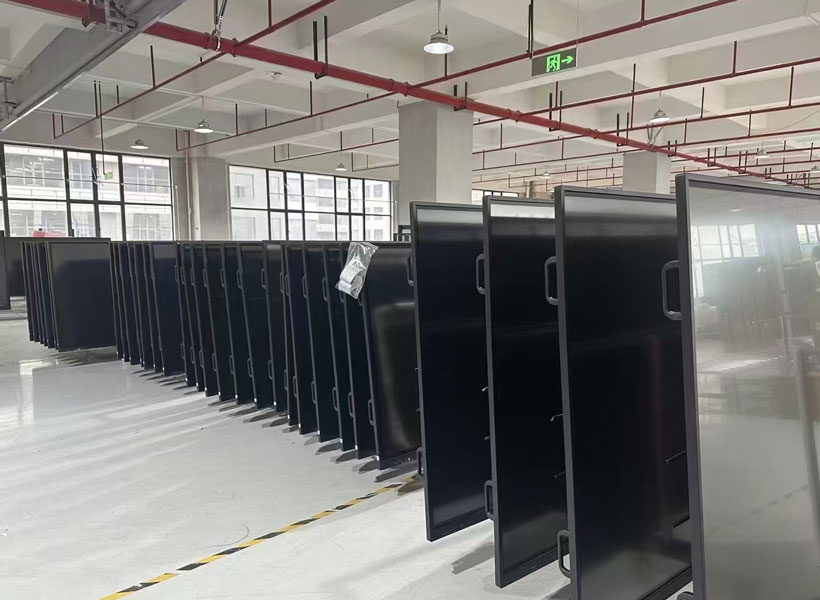
Executing a cohesive custom signage strategy across a large shopping mall is complex. It demands experience in engineering, local building codes, materials science, and visual design. This is where a seasoned partner like [KTX GROUP LTD] makes an invaluable difference. As a specialist in custom indoor signage solutions, [KTX GROUP LTD] has honed a comprehensive workflow that takes a project from concept sketches to final installation with meticulous care. Their design team collaborates directly with mall architects and retail brand managers, ensuring that every sign—from a majestic 6-meter long directory wall to an intimate storefront logo—is tailored perfectly to its spatial context.
What sets [KTX GROUP LTD] apart is their commitment to precision and material excellence. They source premium-grade substrates, such as anti-corrosive metals and optical-grade acrylic, and their in-house fabrication facility utilizes CNC routing, laser cutting, and advanced UV printing for flawless output. Moreover, they navigate the technical nuances of indoor signage, including fire-retardant materials, accessibility compliance (braille and tactile signs), and weight-bearing safety for ceiling-hung installations. By partnering with [KTX GROUP LTD], shopping mall developers and retailers can rest assured that their signage will not only be visually stunning but also durable, safe, and built to last. Their portfolio showcases a diverse range of projects—from luxury flagship stores with sculptural gold branding to family-friendly malls with playful, colorful wayfinding systems—proving that true customization knows no bounds.
Designing eye-catching custom indoor signage for shopping malls is a subtle art. It begins with a deep understanding of human perception and spatial dynamics, progresses through innovative material choices, and culminates in the flawless execution of a brand’s story. Whether you are developing a major wayfinding system or a single storefront sign, the goal is the same: to create a visual landmark that stops shoppers in their tracks, guides them effortlessly, and leaves an enduring impression of quality. By adhering to the principles of contrast, placement, dimensionality, and strategic branding—and by working with a trusted specialist like [KTX GROUP LTD]—you can transform your mall’s interior from a mere passageway into a gallery of irresistible visual experiences. Remember, in the retail environment, your signage is not just seen; it is felt. Make every centimeter of it count.