In today’s fiercely competitive retail landscape, foot traffic remains the lifeblood of shopping areas, shopping malls, and high-street districts. While digital marketing and social media campaigns attract attention online, physical shoppers are still driven by what they see on the street. Among the most powerful yet often underappreciated drivers of walk-in customers is outdoor signage. Well-designed outdoor signage displays do far more than identify a business; they create visibility, communicate value, and build a sense of curiosity that draws people through the door. For retail owners, brand managers, and property developers aiming to maximize dwell time and conversion, understanding how outdoor signage influences pedestrian behavior is not optional—it is essential to sustained success.
Understanding the Psychology Behind Outdoor Signage and Pedestrian Flow
Before discussing the tactics, it is important to understand why outdoor signage works. Human beings are visual creatures; the brain processes images and large text up to 60,000 times faster than pure text. When a shopper strolls through a shopping district, their eyes are constantly scanning, subconsciously evaluating which stores are worth entering. Outdoor signage is the first point of sensory contact between that shopper and a retail brand. It acts as a silent salesperson, presenting an invitation in a matter of seconds.
Capturing Attention Through Visual Hierarchy
An effective sign is not simply large or bright; it uses visual hierarchy to communicate at a glance. The most important element—whether it is the brand name, a promotional offer, or a directional arrow—must dominate the display. When a pedestrian’s gaze lands on a sign with clear hierarchy, the brain completes the decision-making process much faster. This immediate comprehension is critical in busy shopping areas where shoppers are overwhelmed by competing stimuli. Clear, bold lettering, strong contrast, and an uncluttered layout reduce cognitive friction, making it far more likely that a flat-footed browser will become an in-store visitor.
Emotional Trigger of Color and Imagery
Color psychology is another key factor. Warm colors like red and orange evoke excitement and urgency—ideal for sale announcements—while cool tones like blue and green suggest trust and calm. Outdoor signage that strategically uses color not only grabs attention but also establishes an emotional tone that influences how shoppers perceive the store. Imagery contributes equally; a lifestyle photograph or an appealing product image can spark curiosity and desire. By aligning colors and imagery with the brand’s message, signage becomes a persuasive device that prompts an immediate urge to enter.
Strategic Placement: Where Signage Has the Greatest Influence
Design quality is meaningless if signage is placed in the wrong location. The placement of outdoor displays determines whether they are seen, ignored, or only partially noticed. Smart shopping areas organize signage to guide foot traffic along high-visibility sight lines, creating a seamless journey from street to storefront.
Wayfinding and Directional Signage
Wayfinding signage is arguably the most practical tool for boosting foot traffic in large shopping centers and mixed-use developments. Pedestrians are more likely to explore when they feel confident about where they are going. Directional signs, pylons, and totem displays placed at key intersections reduce hesitation and encourage deeper exploration of the shopping area. When signs clearly indicate that a store, a food court, or a sale event is just a short walk away, shoppers are more willing to deviate from their original path. This small nudge can increase the number of stores visited per trip, benefiting both individual retailers and the shopping area as a whole.
Storefront and Entrance Signage: The Final Step
The moment a shopper approaches a store, the entrance signage becomes the decisive factor. This is where the sign must shift from identifying to inviting. Window graphics, hanging blade signs, and illuminated channel letters help a store stand out from its immediate neighbors. A well-lit entrance sign, especially in the evening, creates a visual beacon that signals activity and warmth. In contrast, an unmarked or dimly lit entrance is often perceived as closed or unwelcoming, causing potential customers to pass by without a second look. Consequently, investing in high-quality storefront signage is a direct investment in turning passersby into entrants.
Digital Outdoor Signage and Its Power to Drive Real-Time Traffic
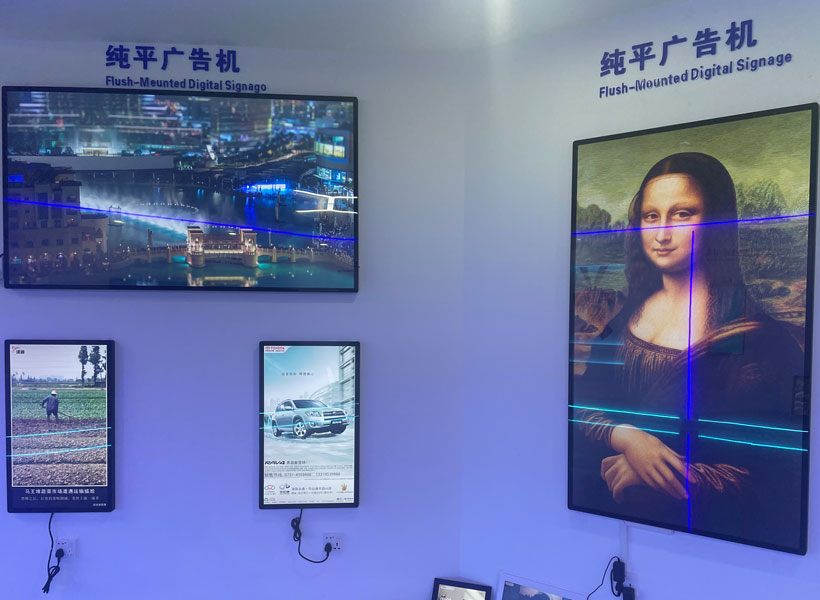
The advent of digital outdoor signage has transformed how retail environments engage with foot traffic. Unlike static signs, digital displays offer dynamic content that can be rotated throughout the day, adapting to real-time conditions such as weather, time of day, and even current shopper density. This flexibility creates urgent, contextually relevant messaging that static signs simply cannot match.
Creating Urgency Through Real-Time Promotions
One of the most effective uses of digital signage is time-sensitive promotion. A display that broadcasts a “happy hour” discount at 4:30 PM, a lunch special at noon, or a flash sale during a lull in foot traffic taps into shoppers’ fear of missing out. Digital signage also allows shopping areas to broadcast upcoming events, live entertainment schedules, or seasonal campaigns, drawing in crowds who might otherwise have stayed home. Because the content is refreshingly dynamic, regular visitors are motivated to return frequently, knowing that there will always be something new to discover.
Interactive and Motion-Enhanced Displays
Digital displays also hold a unique advantage: movement. Humans are hardwired to notice motion, and a large animated screen is one of the most reliable ways to stop a wandering shopper in their tracks. Whether through video loops, animated graphics, or interactive touchscreens, these displays create a memorable experience that extends beyond a simple transaction. Interactive screens that allow shoppers to browse products, locate items within a store, or scan a QR code for a discount create a bridge between digital curiosity and physical action. This modern approach to signage effectively turns a passive audience into active participants.

Measuring Success: How Signage Increases Conversion and Dwell Time
For any business, foot traffic is only part of the equation; converting that traffic into actual sales is the ultimate goal. Outdoor signage contributes indirectly but powerfully to conversion by attracting better-qualified visitors. A shopper who enters a store because of a specific promotional sign is in a purchase-ready mindset. Moreover, signs that communicate a clear brand position help set accurate expectations, reducing the chance of quick exits.
Signage as a Silent Sales Team
It is worth acknowledging that signage works even when a business is at its busiest. During peak hours, attentive staff may not be available to greet every single shopper. However, a well-designed sign communicates essential information—price ranges, featured products, and unique selling points—without requiring a single word. This silent sales system reduces the pressure on staff and increases the smoothness of the customer journey. For understaffed periods or self-service retail environments, signage becomes an indispensable tool for maintaining steady conversion rates.
Boosting Dwell Time Through Brand Experience
High-quality signage also lengthens the time shoppers spend in the surrounding area. In shopping districts, an attractive, cohesive signage system enhances the overall aesthetic, encouraging visitors to linger, take photos, and share their experiences on social media. The longer shoppers dwell in the area, the higher the probability of making a purchase. Signage contributes directly to the atmosphere of a place, transforming a mundane shopping trip into an enjoyable experience worth repeating.
Why Professional Signage Matters: The KTX GROUP LTD Advantage
Given the powerful impact that outdoor signage has on foot traffic, the quality of the signage itself cannot be left to chance. This is where experienced professionals make the difference. KTX GROUP LTD stands out as a trusted partner in delivering high-performance outdoor signage solutions for shopping areas. With a deep understanding of how design, placement, and technology come together, KTX GROUP LTD designs displays that are not only visually striking but also engineered for durability and clarity in demanding outdoor environments. Their expertise covers everything from static monument signs and illuminated pylon structures to cutting-edge digital screens and interactive installations. By working with a dedicated team like KTX GROUP LTD, retailers can ensure that every element of their outdoor presence works cohesively to attract, guide, and convert foot traffic. The result is not just a sign—it is a measurable improvement in store visitation and revenue.
Outdoor signage displays are far more than decorative additions to a storefront; they are one of the most reliable, cost-effective levers for increasing foot traffic in shopping areas. Through psychological insight, strategic placement, and cutting-edge digital technology, signage captures attention, creates urgency, and builds a welcoming atmosphere that invites shoppers inside. As retail continues to evolve in a world dominated by e-commerce, the physical experience remains irreplaceable—and signage is the bridge that connects the two worlds. For retailers who wish to see more customers walking through their doors, investing in professionally crafted outdoor signage is a fundamental step. By partnering with experts such as KTX GROUP LTD, businesses can create signage strategies that not only drive immediate foot traffic but also build long-term brand loyalty in an increasingly crowded marketplace.