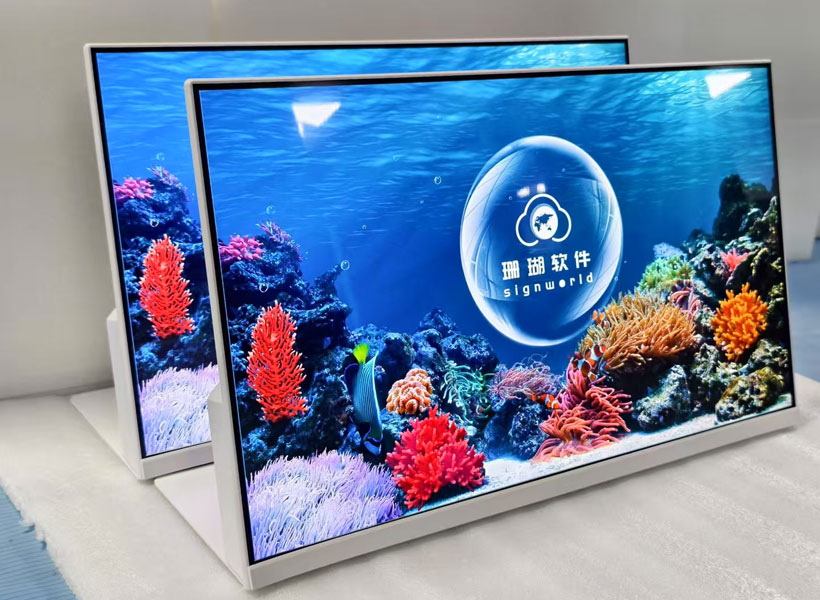
In the fiercely competitive restaurant industry, the moments that matter most often happen before a customer even steps through the door. Passersby make split-second decisions based on visual cues, curated atmospheres, and the promise of a satisfying meal. Traditional static signage—a faded awning or a printed sandwich board—simply lacks the dynamic pull needed to convert foot traffic into paying guests. This is where outdoor digital signage transforms the game. By leveraging high-brightness displays, vivid motion graphics, and real-time content updates, restaurants can stop potential diners in their tracks and deliver an irresistible invitation. A well-placed digital sign acts as a silent but persuasive host, communicating freshness, energy, and exclusivity in a way that static posters never could. For brands like KTX, whose outdoor digital signage solutions are engineered for maximum visibility even under direct sunlight, the technology becomes not just a screen but a strategic asset—one that directly drives walk?in revenue.
Visual Feast: How Dynamic Food Imagery Triggers Cravings
Nothing sells a meal better than seeing it in mouth?watering detail. Outdoor digital signage allows restaurants to showcase high?definition video loops of sizzling steaks, melting cheese, or colorful salads in constant motion. Humans are biologically wired to respond to food visuals, and moving images are far more effective than static photos at stimulating the amygdala—the brain’s reward center. A study by the Digital Signage Federation found that dynamic content can increase purchase intent by up to 47% compared to static displays. For a casual diner walking past on a busy sidewalk, a 15?second clip of a chef plating a signature dish can be the nudge that turns a maybe into a yes.
KTX Advantage: Ultra?High Brightness and Color Accuracy
To make these visuals pop outdoors, the display must overcome ambient light, glare, and weather conditions. KTX outdoor digital signage features industrial?grade LED panels with brightness levels exceeding 2,500 nits, ensuring colors remain vibrant and blacks stay deep even at noon. Combined with anti?reflective coatings and wide viewing angles, KTX screens preserve the appetizing realism of food content from every angle along the pavement. This technical reliability means that a restaurant’s visual story is never washed out by sunlight or obscured by rain.
Real?Time Promotions: Capitalizing on Impulse Decisions
Walk?in traffic is inherently impulsive. A person might be heading to a different destination, but a compelling offer—”Happy Hour 2?for?1 until 6PM” or “Today Only: 20% off USDA Prime Burgers”—can instantly reroute their steps. Outdoor digital signage enables restaurants to update promotions in real time without the cost and delay of printing new posters. A quick content update from a tablet or cloud?based CMS allows operators to test different messaging during slow periods, announce sold?out specials, or even sync with weather data to push hot soup on cold days.
Geo?Fencing and Dayparting Strategies
Advanced systems like those from KTX support dayparting—scheduling different content for breakfast, lunch, and dinner hours. A morning sign might show a coffee?and?pastry combo, while an afternoon screen rotates to a hearty lunch special. When combined with geo?fencing data (e.g., detecting nearby foot traffic), the sign can also trigger countdown timers or scarcity messages (“Only 3 tables left!”), creating a gentle urgency that accelerates decision?making. Restaurants using KTX digital signage report a 28% average increase in walk?in conversions during promotional windows.
Menu Modernization: Dynamic Updates Without Paper Waste
One of the biggest pain points for restaurants is keeping physical menus accurate. Daily specials, price changes, and seasonal substitutions require constant reprinting. Outdoor digital signage solves this by displaying a rotating menu that can be updated instantly. A chef can introduce a new catch of the day at 11 AM, and by 11:01 it’s live on the street?facing screen. This agility not only saves labor and material costs but also signals to customers that the restaurant is fresh and responsive.
Interactive Elements: QR Codes and Click?to?Order
Modern outdoor digital signage can go beyond passive viewing. KTX screens support integrated QR codes that customers can scan to view the full menu on their phones, access exclusive coupons, or even join a waitlist before they walk in. This bridges the gap between online and offline—a crucial funnel for capturing impulse diners who may be hesitant to enter without knowing wait times or pricing. By removing friction, the restaurant transforms a random passerby into a confirmed lead.
Social Proof: Turning Reviews and Check?Ins Into Street?Level Ads
Diners trust other diners more than any branded message. Outdoor digital signage can stream live social media feeds—pulled from Yelp, Google Reviews, Instagram, or TikTok—showcasing genuine customer photos, 5?star ratings, and user?generated content. This creates a “buzz window” effect: people walking by see real patrons enjoying the food, which builds instant credibility. The bandwagon effect is powerful; a sign that reads “1,200 happy customers this month” with a rotating gallery of smiling faces can significantly lower the psychological barrier to entry.
Moderation and Content Curation with KTX
Of course, an unfiltered feed can backfire. KTX’s content management software offers moderation tools—restaurants can pre?approve posts, filter by keyword, and set a refresh timer. A simple dashboard lets the owner choose to show only 4?star?plus reviews or photos that include the restaurant’s signature dish. This ensures the display always presents an aspirational, positive image while maintaining the authenticity of user?generated content.
Brand Identity and Differentiation: Standing Out in a Crowded Strip
In a row of restaurants, most rely on similar tactics: an A?frame board, a neon sign, maybe a chalkboard. Outdoor digital signage instantly elevates a brand’s perceived sophistication. A sleek, modern KTX display with edge?to?edge glass and slim bezels signals that the business invests in quality and innovation. This halo effect extends to the food itself—a high?tech sign suggests a well?run kitchen and a memorable experience.
Tailored Aesthetics for Different Cuisines
KTX offers screens in various sizes and aspect ratios, from vertical portrait models perfect for a burger joint’s menu board to ultra?wide panoramic displays for an Asian fusion restaurant’s food art. Content templates can match the restaurant’s personality: bold typography for a sports bar, minimalist photography for a farm?to?table bistro, or animated mascots for a family?friendly spot. This level of customization ensures the signage amplifies—not clashes with—the brand story.
Data?Driven Optimization: Measuring What Works
The ultimate advantage of digital over static is measurability. Outdoor digital signage platforms like KTX’s suite include analytics: dwell time, engagement rates via QR scans, and even sales correlation data. A restaurant can A/B test two different offers—for instance, a dessert image vs. a price discount—and see which one generates more foot traffic within the hour. Over time, the data reveals peak attention windows, most effective call?to?action wording, and the optimal mix of video and still images.
Continuous Improvement Cycle
By integrating with point?of?sale or reservation systems, KTX digital signage can automatically adjust content based on real?time conditions. If the dining room is nearing capacity, the sign shifts from “Walk?ins Welcome” to “Join Our Waitlist & Get a Free Drink.” If it’s raining, the sign highlights warm comfort items and mentions covered outdoor seating. This adaptive intelligence ensures the restaurant always presents its most persuasive face to the street.
Return on Investment: The Walk?In Revenue Equation
While the upfront investment in outdoor digital signage requires budgeting, the return is impressive when executed correctly. Industry benchmarks indicate a 10–25% increase in walk?in customers within the first three months of installation. For a restaurant with average daily covers of 200, even a 15% lift translates into 30 additional guests per day. At a conservative check average of $20, that’s an extra $600 daily—or roughly $18,000 per month. KTAC’s durable construction, energy?efficient LEDs, and five?year warranties mean that the hardware pays for itself in under a year for most mid?volume restaurants.
Case Study: Bella Napoli Pizzeria
When Bella Napoli installed a KTX outdoor vertical display on their storefront, they started running a rotating menu with HD slow?motion shots of freshly pulled mozzarella and a pop?up that read “Now Serving Lunch Special 11–2.” Within two weeks, their lunch walk?in traffic increased by 37%. Evening footfall also rose after they added a “Wood?Fired Pizza Under 10 Minutes” animation. The owner reported that the display paid itself off in 8 months and has become the most effective marketing tool they’ve ever used—no fliers, no social ads, just the street doing the work.
The New Standard for Street?Level Hospitality
In an era where consumers are bombarded with digital noise, the restaurant that speaks to them at the right moment—with the right visual and the right offer—wins the walk?in battle. Outdoor digital signage is no longer a luxury but a competitive necessity for eateries in high?foot?traffic zones. From triggering cravings with vivid food video to driving impulse purchases with real?time deals, from building trust through social proof to optimizing performance through data, the technology works as a non?stop salesperson that never calls in sick.
For restaurant owners seeking a reliable, high?impact partner, KTX provides the hardware and software ecosystem that makes this transformation seamless. With durable outdoor?rated panels, intuitive content management, and proven results across hundreds of installations, KTX helps you turn a sidewalk into a runway—leading more walk?ins straight to your door. The question is no longer whether you need outdoor digital signage; it’s how quickly you can deploy it.