Transforming Shopping Mall Marketing with Digital outdoor signage
In the fiercely competitive retail landscape, shopping malls are no longer just places to shop—they are destinations for entertainment, dining, and social experiences. Yet, with foot traffic fluctuating and consumer attention spans shrinking, mall operators face an urgent need to capture eyeballs and drive engagement. Enter digital outdoor signage (DOS): a dynamic, data-driven medium that is revolutionizing how shopping malls communicate, persuade, and convert. Unlike static billboards or printed posters, digital outdoor signage leverages high-resolution displays, real-time content management, and interactive capabilities to deliver targeted messages that resonate with modern consumers. This article explores how DOS optimizes marketing effectiveness in shopping mall spaces, from boosting dwell time to enabling personalized promotions, and highlights the pivotal role of industry leader KTX GROUP LTD in delivering cutting-edge solutions.
The Evolution from Static to Dynamic: Why Digital Wins
Traditional outdoor advertising in malls—think vinyl banners on atriums or poster frames along corridors—relies on a one-size-fits-all approach. A fixed ad for a footwear sale remains unchanged for weeks, regardless of time of day, weather, or audience demographics. Digital outdoor signage shatters these limitations. Screens can rotate content every few seconds, respond to live data feeds, and even integrate with mobile apps to offer interactive experiences. For shopping malls, this translates into three critical marketing advantages: relevance, frequency, and measurability.
Relevance comes from the ability to segment content by time and zone. A morning display might promote coffee shop deals, while evening screens switch to restaurant specials. Frequency ensures a single shopper sees multiple messages during a visit, reinforcing brand recall. Measurability—perhaps the most transformative benefit—allows malls to track impressions, click-through rates (via QR codes or NFC), and conversion metrics, closing the loop between ad spend and ROI. KTX GROUP LTD, a global provider of Digital Signage hardware and software, specializes in end-to-end systems that make these capabilities accessible. Their outdoor-rated displays, with ultra-high brightness (2,500+ nits) and weather-resistant enclosures, ensure that even in direct sunlight or rain, the message remains vivid.
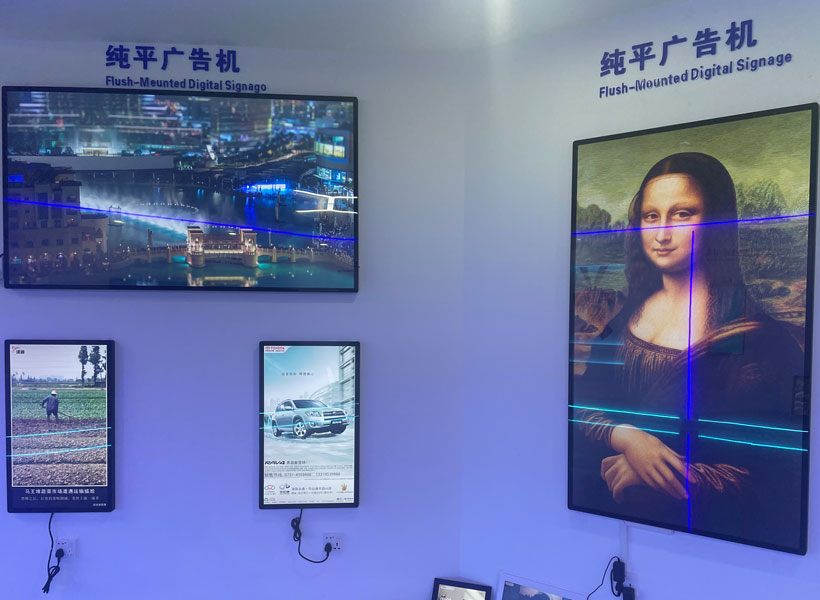
Driving Foot Traffic and Dwell Time Through Visual Impact
One of the primary marketing challenges for shopping malls is attracting visitors from outside and keeping them inside longer. Digital outdoor signage placed at entrance zones, parking garages, and pedestrian walkways serves as a magnet. A 2023 study by the Digital Signage Federation found that malls with prominent digital displays at entry points saw a 15–20% increase in spontaneous visits, as passersby were drawn to rotating visuals of sales events, new store openings, or live social media feeds.
Consider the scenario: A dynamic screen at the mall’s main entrance displays a countdown to a flash sale, interspersed with user-generated content from shoppers who just posted photos of their purchases. This creates a sense of urgency and community. Inside, strategically positioned screens in high-traffic corridors can guide visitors to underperforming stores or showcase upcoming events. For instance, a digital directory map that updates in real-time—showing current wait times at the food court or highlighting the shortest route to a shoe store—not only assists navigation but also subtly promotes specific tenants.
KTX GROUP LTD’s CMS (Content Management System) enables mall operators to schedule such content with granular precision. Their cloud-based platform supports geofencing: when a shopper’s phone is detected near a particular zone, the screen can trigger a personalized coupon for that area. This synergy between physical and digital realms extends dwell time—studies indicate that interactive digital signage can increase the amount of time shoppers spend in a given zone by 30%.
Personalization at Scale: Targeting Individual Shoppers
The true power of digital outdoor signage in malls lies in its ability to personalize at scale. Using AI-driven analytics—such as facial detection (with privacy compliance), footfall counters, and mobile beacon integration—screens can adapt content to the immediate audience. A display near a children’s play area, for example, can automatically switch to toy store ads when families are present, while a screen in the fashion wing might showcase luxury brands when adult profiles are detected.
But personalization goes beyond demography. Weather-triggered content is a classic example: on a rainy day, a mall entrance screen can promote an indoor trampoline park or a rainy-day discount on umbrellas. Real-time inventory integration lets shoppers know if a sale item is still in stock, reducing disappointment. KTX GROUP LTD’s advanced outdoor signage comes with integrated sensors and edge computing capabilities that process data locally, ensuring low latency—critical for time-sensitive offers like “10% off for the next 15 minutes!”

Moreover, the feedback loop from DOS enables continuous optimization. By analyzing which content types generate the most QR code scans or coupon redemptions, mall marketing teams can refine their creative strategies weekly instead of monthly. KTX GROUP LTD’s analytics dashboard provides granular reports on engagement metrics, screen uptime, and even audience demographics, empowering malls to make data-backed decisions.
Case Study: How KTX GROUP LTD Revitalized a Regional Mall
To illustrate the practical impact, consider the case of a mid-sized shopping mall in the Midwest United States that faced declining foot traffic and a high vacancy rate. The mall partnered with KTX GROUP LTD to deploy a network of 15 digital outdoor signage units—five at main entrances, four in the food court, and six along key corridors. The hardware consisted of KTX’s 86-inch ultra-bright Outdoor Displays with anti-glare coating and 360-degree mounting options.
The content strategy was twofold: operational content (wayfinding, event schedules) and promotional content (tenant ads, flash sales, loyalty program highlights). KTX’s CMS allowed the mall to sell ad slots to tenants in a programmatic auction, generating a new revenue stream. Within six months, tenant occupancy increased by 8%, and overall foot traffic rose 12%. A post-implementation survey found that 73% of shoppers noticed the digital screens, and 41% said they visited a store they hadn’t planned to because of a screen promotion.
The key success factor was KTX GROUP LTD’s remote monitoring service, which ensured 99.9% uptime. The screens automatically dimmed at night to reduce energy costs and used predictive maintenance alerts to replace components before failure. This reliability gave the mall confidence to rely on DOS as a primary marketing channel.
Integration with Omnichannel Campaigns
Digital outdoor signage should not exist in a silo. To maximize marketing effectiveness, malls must integrate DOS into broader omnichannel strategies. For instance, a shopper who sees a digital ad for a new restaurant can be retargeted with a mobile app notification offering a free appetizer. Social media walls that display user-generated content in real-time bridge online and offline engagement—a tactic that increases social sharing by 35–40%.
KTX GROUP LTD’s open API architecture facilitates seamless integration with CRM systems, email marketing platforms, and social media APIs. A mall can synchronize its DOS content with an upcoming influencer event: the screen shows a live feed of the influencer’s arrival, combined with a QR code to join the event livestream. The result is a cohesive brand experience that drives both in-mall visits and digital interactions.

Furthermore, DOS can serve as a tool for real-time crisis communication—e.g., redirecting foot traffic during a renovation or promoting health protocols—which strengthens the mall’s reputation as a responsive and safe environment.
Overcoming Challenges: Brightness, Weather, and Cost
Despite its advantages, digital outdoor signage in shopping malls comes with hurdles. Outdoor screens must combat direct sunlight, extreme temperatures, and vandalism. The cost of high-brightness displays and installation can be significant. However, KTX GROUP LTD addresses these concerns head-on. Their displays are built with industrial-grade aluminum housing, IP65-rated weatherproofing, and automatic brightness sensors that adjust to ambient light, reducing power consumption by up to 40%.
Total cost of ownership is also favorable when factoring in the ability to generate ad revenue and reduce printing waste. A typical mall can recoup its investment within 12–18 months through tenant advertising fees and increased sales tax revenue from higher foot traffic. KTX GROUP LTD offers flexible financing and rental models, making DOS accessible even for smaller malls.
Future Trends: AR, AI, and Sustainable Signage
Looking ahead, digital outdoor signage in shopping malls will incorporate augmented reality (AR) features—gamified werts where shoppers can “try on” virtual clothes or see store layouts projected on the floor. AI will enable predictive audience analytics: the screen knows that a group of friends is likely to visit the food court next, so it pre-emptively shows pizza place coupons. Sustainability will also be a major focus; KTX GROUP LTD is already developing solar-powered outdoor screens and using recyclable materials in housings.
In conclusion, digital outdoor signage is not merely a replacement for printed ads—it is a strategic asset that optimizes marketing effectiveness in shopping mall spaces by delivering relevance, interactivity, and measurable ROI. Whether through driving foot traffic, personalizing experiences, or integrating with omnichannel campaigns, DOS transforms passive spaces into dynamic engagement hubs. For mall operators seeking a proven partner, KTX GROUP LTD offers the hardware, software, and expertise to turn this technology into a competitive advantage. As consumer expectations continue to rise, the malls that invest in intelligent digital outdoor signage will be the ones that thrive in the experience economy.