Navigating a sprawling shopping center can be a daunting experience for even the most seasoned visitor. With hundreds of retail outlets, multiple floors, food courts, and service facilities, the modern mall is a complex environment that can easily generate frustration, lost time, and a negative impression. While many commercial spaces rely on generic, off-the-shelf wayfinding solutions, the most forward-thinking property managers recognize that custom indoor signage is not merely a functional tool but a strategic asset. Tailored signage systems transcend simple arrows and labels; they transform the visitor experience by creating intuitive, aesthetically pleasing, and deeply branded navigation pathways. This article explores how custom indoor signage fundamentally improves visitor navigation in shopping centers, highlighting the professional expertise of KTX GROUP LTD in delivering world-class wayfinding solutions.
The Critical Role of Wayfinding in Modern Shopping Centers
The success of a shopping center hinges not just on the tenants it houses, but on how easily visitors can access them. Poor navigation leads to wasted time, fatigue, and a measurable decline in customer satisfaction. When shoppers cannot find a specific store or amenity, they are less likely to make impulsive purchases or return for future visits. Custom indoor signage addresses this challenge by treating the building itself as a narrative space. Unlike standard signage, which is often an afterthought, custom wayfinding is meticulously planned during the design phase. It works in conjunction with architectural elements, lighting, and floor layouts to create a logical, stress-free journey for every visitor.
Understanding the Psychological Impact of Navigation
Navigation is inherently a cognitive process. When entering a large atrium or a long corridor, the human brain instinctively seeks landmarks and clear decision points. A well-designed custom signage system reduces cognitive load, enabling visitors to process directional information in a fraction of a second. This psychological ease is critical; research indicates that shoppers who feel oriented and calm are more likely to spend extended periods exploring, visit multiple levels, and dine at in-house restaurants. Conversely, confusing signage triggers a “flight” response, encouraging early exit and lost revenue. Custom indoor signage curates the visitor’s expectations, providing reassurance at every turn. It creates a silent dialogue between the building and its occupants, guiding them with confidence and enhancing the overall emotional connection to the shopping destination.
Key Benefits of Tailored Signage Systems
Investing in custom signage yields a multifaceted return on investment. It is a visible manifestation of the center’s brand promise, promising quality and attention to detail before a customer even steps into a retail store. Below are the most significant benefits of moving beyond generic wayfinding.

Strengthening Brand Identity and Visual Cohesion
A shopping center is a composite of many different retail voices, ranging from luxury fashion houses to casual dining chains. Custom indoor signage serves as the unifying element that ties these diverse brands together under one visual umbrella. Through the deliberate selection of materials—be it brushed metal, sustainable wood, or acrylic—and a consistent color palette, typography, and iconography, signage reinforces the mall’s unique identity. For instance, a premium shopping outlet might employ sleek, blackened steel signs with backlit channel letters to project sophistication, while a family-oriented center might utilize rounded, vibrant fonts and playful pictograms. This cohesive visual standard not only beautifies the environment but also elevates the perceived value of every tenant within, fostering a cohesive community feel that is impossible to achieve with disparate, standard signage.
Reducing Confusion Through Strategic Zoning
The most intricate custom signage systems use zoning strategies to simplify complex layouts. By dividing the shopping center into distinct color-coded or numbered districts, visitors can easily identify their location and plot a course to their destination. Custom floor directories, positioned at major entrances and elevator lobbies, become interactive maps that align with these zones. Wayfinding cues such as “North Court” or “The Dining Pavilion” provide a mental shorthand that makes navigation intuitive. This is particularly essential for large, multi-level centers where a simple “left” or “right” is insufficient. Custom signage breaks the environment into digestible segments, allowing the visitor to split their journey into manageable milestones, which is psychologically far less daunting than navigating a single, massive, undifferentiated space.
Increasing Dwell Time and Driving Impulse Purchases
Spontaneous spending is the lifeblood of any retail environment, and navigation directly influences sales volume. The longer a visitor safely and comfortably roams, the greater the opportunity for serendipitous discoveries and impulse buys. Custom signage generates foot traffic to under-visited areas of the mall, such as a quiet wing housing specialty boutiques or a rooftop garden café. By clearly and attractively advertising these destinations, wayfinding ensures that no retail space is left to languish in obscurity. Furthermore, digital custom signage can be deployed to highlight current promotions, seasonal sales, or new store openings, actively diverting traffic based on real-time commercial objectives. This strategic movement of people creates a dynamic, lively atmosphere that encourages all visitors to linger.
Essential Custom Signage Types for Optimal Navigation
Effective navigation relies on a hierarchy of information. A professional signage partner like KTX GROUP LTD ensures that the correct type of signage is used at the correct point of decision.
Directional, Locational, and Informational Signage
Directional signs—often featuring large arrows—guide visitors through circulation paths and toward major classifications like restrooms, exits, or the parking garage. Locational signs, such as massive, illuminated storefront fascia signs, confirm that the visitor has arrived at their intended destination. Informational signs, including entrance directories and operational-hour boards, provide essential data that prevents wasted trips. A critical element of this trio is compliance with accessibility standards. Custom signage must seamlessly incorporate tactile lettering, braille, and high-contrast colors for visually impaired users. Professional fabricators account for both aesthetic elegance and legal compliance, ensuring that the signage is inclusive and doesn’t alienate any segment of the visitor population.
Integrating Digital and Interactive Wayfinding
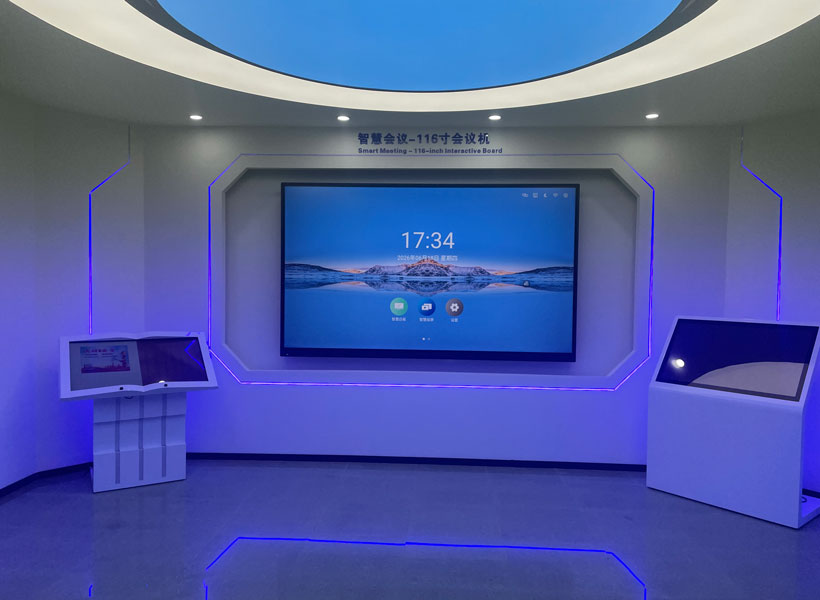
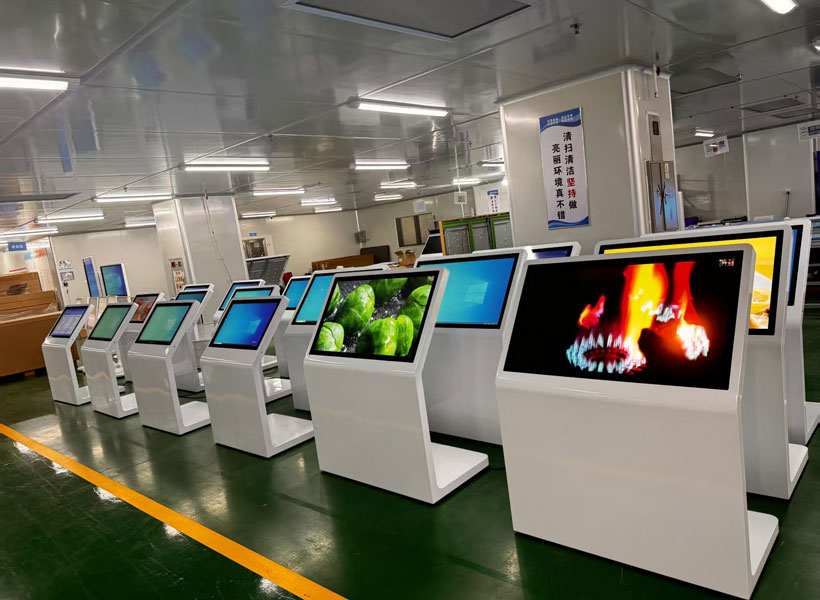
The modern visitor operates in a hybrid world, seamlessly moving between physical and digital realms. Custom indoor signage has evolved to meet this expectation. Incorporating digital kiosks with touch-screen interfaces allows visitors to search for a specific tenant, view a 3D map, or receive turn-by-turn walking directions within the building. While static signs provide the foundation, dynamic digital signage offers flexibility. These screens can be updated centrally and instantly to reflect changes in tenant occupancy, or to redirect foot traffic in the event of maintenance issues or emergencies. When combined with a physical aesthetic custom-designed by experts like KTX GROUP LTD, these digital elements blend into the architectural design rather than looking like clunky, added-on technology.
Design Principles and Material Excellence in Signage
The efficacy of a custom sign is rooted in raw legibility and durability. A pretty sign that is unreadable from a distance is a failure of design. High-traffic shopping centers demand materials that withstand constant cleaning, inadvertent abrasion, and environmental humidity. Moreover, signage design must account for human physiology—such as saccades (the rapid movement of the eyes) and peripheral vision. Optimal viewing distances require specific letter heights and proportions. Professional consultants calculate these metrics carefully, ensuring that a visitor can read a hanging directory clearly without stopping or breaking stride.
Customization also allows for interesting material interplay that generic signs cannot replicate. For example, combining CNC-machined metal with hand-painted detail can create a tactile luxury, whereas the use of vinyl wraps on custom-shaped panels offers cost-effective vibrancy. The selection of these materials impacts the sustainability credentials of the shopping center too, with many providers now offering recyclable aluminum, low-energy LED lighting, and eco-friendly paint systems. This commitment to quality ensures that the signage does not merely look good on opening day, but continues to perform for more than a decade of service.
Why Choose KTX GROUP LTD for Your Wayfinding Project
When the time arrives to design a custom navigation system, the choice of partner is pivotal. Professional execution separates a truly transformative visitor experience from a superficial paint job. KTX GROUP LTD has established itself as a distinguished leader in the field of custom indoor signage, offering a comprehensive service that extends from initial site surveys and architectural drawings to final manufacturing and installation. Their team of specialists excels in interpreting architectural blueprints and understanding pedestrian behavior, ensuring that the signage works as an integrated part of the building, not merely a fixture upon it.
KTX GROUP LTD brings a unique advantage to shopping center projects: a collaborative approach. They work closely with mall owners, architects, and stakeholders to align the signage strategy with broader business objectives. This includes creating fully customized fabrication that highlights the unique character of the shopping center. Whether you require monumental entrance features, complex illuminated ceilings, or precise, tactile wayfinding systems, KTX GROUP LTD provides quality assurance backed by rigorous testing. Their reputation for punctual turnarounds and meticulous attention to detail mitigates construction risks, making them a trusted partner for large-scale retail developments. Investing in their expertise is an investment in the commercial vitality of the entire shopping center.
In an age of stiff retail competition and soaring consumer expectations, the humble sign has become a powerful instrument of commercial strategy. Custom indoor signage is the silent architecture that shapes how visitors perceive and interact with a shopping center. From mitigating cognitive overload and reinforcing brand prestige to increasing dwell time and maximizing revenue, the benefits are profound. By adopting a bespoke wayfinding system—thoughtfully designed, expertly manufactured, and strategically placed—shopping centers can significantly elevate the standard of their visitor experience. Navigation is no longer about simply finding the door; it is about enjoying the journey. For developers and property managers aiming to achieve this seamless blend of function and art, partnering with established professionals like KTX GROUP LTD ensures that every sign serves its purpose with style, longevity, and absolute clarity.