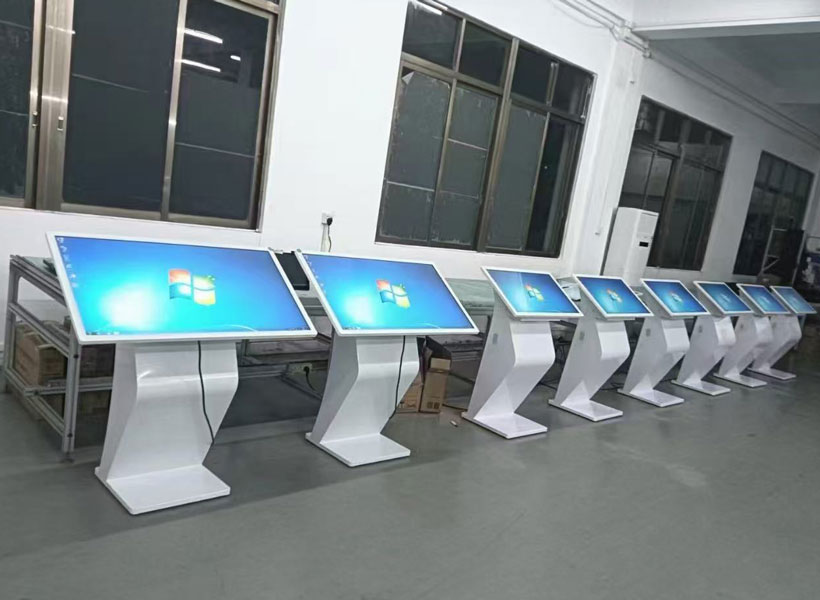
In today’s hyper-competitive retail landscape, the physical store is no longer just a place to transact—it is a stage for brand storytelling, emotional connection, and immersive experience. While e-commerce continues to grow, brick-and-mortar stores offer something digital channels cannot: tangible, multi-sensory engagement. Yet, the success of this engagement hinges on how seamlessly customers navigate and connect with the space. This is where custom indoor retail signage emerges not as a mere wayfinding tool, but as a strategic asset that fundamentally transforms the shopping journey. When executed with precision, custom signage does more than direct foot traffic; it shapes perception, reduces friction, and creates memorable touchpoints that drive loyalty. For retailers seeking a partner that understands this nuance, KTX has established itself as a leader in crafting bespoke indoor signage solutions that marry form with function—elevating the ordinary store visit into an extraordinary brand experience.
The Psychology of Navigation: Reducing Cognitive Load Through Custom Signage
One of the most profound yet understated ways custom indoor signage improves shopping is by reducing cognitive load. A shopper entering an unfamiliar store is, in essence, a problem-solver: they must locate products, compare options, and reach checkout—all while managing distractions. Generic, one-size-fits-all signage often fails to account for the unique layout, architectural quirks, or product categories of a specific store. This mismatch forces customers to pause, re-read, and guess, generating frustration that silently erodes their willingness to explore. Custom signage, by contrast, is designed in tandem with the store’s floor plan and customer traffic patterns. KTX works with retailers to map the customer journey, identifying decision points where signage can pre-empt questions. For instance, a large-format overhead sign that echoes the store’s brand colors and typography, placed at a corridor intersection, instantly communicates department boundaries without requiring a second glance. Similarly, custom floor graphics can guide shoppers through a seasonal promotion, turning a simple walk to the back wall into a guided narrative. This intentional design minimizes the mental effort required to shop, allowing customers to enter a “flow state” where they feel competent and in control. Research in environmental psychology consistently shows that environments that are easy to navigate increase positive affect and time spent in-store—both direct drivers of sales. By investing in custom signage, retailers effectively lower the “cost” of shopping, making the experience feel effortless and enjoyable.
Wayfinding Beyond Arrows: Contextual Cues That Speak to the Shopper’s Mind
Traditional wayfinding relies on arrows and words, but custom indoor signage goes much deeper—it uses contextual cues that resonate with the shopper’s latent needs. Consider a high-end fashion boutique where the aesthetic is minimalist. A generic “MEN” sign might feel jarring and sterile. Instead, KTX might design a discreet, backlit sign with a subtle iconography that aligns with the brand’s luxury identity, placed at eye level near a curated display. This sign does not just tell shoppers where men’s apparel is; it signals that the store understands its own curated selection. Similarly, in a grocery store, custom signs can incorporate appetizing imagery or playful language that primes hunger and curiosity. For example, a sign above the produce section could feature a vivid photograph of ripe strawberries alongside a handwritten-style “Fresh from the Farm” message. This not only locates the section but evokes a sensory response, making the shopping experience more visceral. The power of such contextual signage lies in its ability to communicate without demanding attention. It works on a subconscious level, creating a feeling of being “understood” by the retailer. When customers feel that the store anticipates their needs, they develop a sense of trust and ease, which translates into longer dwell times and higher basket sizes. KTX excels at this by conducting detailed site audits and customer behavior analyses, ensuring every sign—from hanging banners to shelf-edge labels—carries meaningful context rather than generic direction.
Brand Cohesion and Emotional Resonance: Turning Signage into a Brand Ambassador
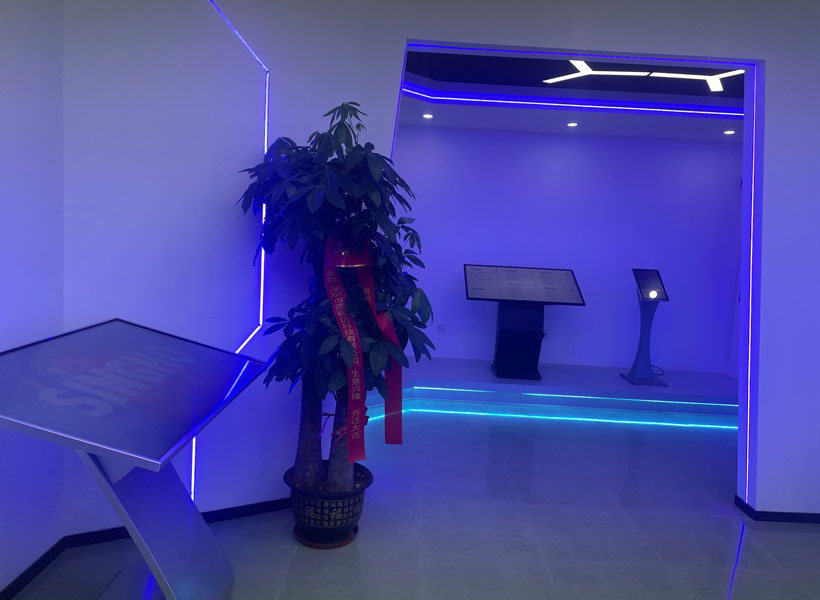
Custom indoor signage is not just functional; it is a powerful canvas for brand identity. In a world where consumers are bombarded with advertising, the in-store environment offers a rare opportunity for uninterrupted, immersive brand exposure. Custom signage that is thoughtfully designed becomes a silent salesperson, reinforcing brand values, tone, and personality at every turn. When signage is generic or mismatched, it creates a cognitive dissonance that undermines the brand narrative. For instance, a playful, youth-oriented brand using sterile, institutional signs would send conflicting signals, confusing customers and diluting brand equity. On the other hand, KTX crafts signage that is a seamless extension of the brand’s visual language—using the same color palette, typography, materials, and even scent diffusion to create a holistic atmosphere. A sign is not just a sign; it is a brand ambassador that speaks in the brand’s voice. Consider a tech retailer that wants to convey innovation and sleekness. KTX might use brushed aluminum, edge-lit LED lettering, and clean sans-serif fonts, all mounted on a dark matte wall. This signage does not merely list product categories; it embodies the brand’s futuristic ethos. Customers subconsciously absorb these cues, feeling more aligned with the brand’s identity, which fosters emotional resonance. This alignment is crucial for loyalty—shoppers return not just for products but for the feeling the store gives them. Custom signage, therefore, is a strategic investment in brand equity, paying dividends through repeat visits and word-of-mouth referrals.
Personalization and Flexibility: Adaptive Signage for Dynamic Retail Environments
The modern retail environment is far from static. Seasonal promotions, new product launches, and shifting consumer trends require signage that can adapt quickly without losing cohesion. Custom indoor signage, when designed with flexibility in mind, offers a dynamic solution that off-the-shelf signage cannot match. KTX specializes in modular sign systems that allow retailers to swap out graphics, change messaging, or update wayfinding elements with minimal disruption. For example, a clothing store might use magnetic poster frames that can be updated weekly to reflect new arrivals, while the structural aluminum frame remains constant. This adaptability ensures that the store always feels fresh and relevant, keeping customers curious and inclined to return. Moreover, custom signage can be tailored to different customer segments. A store targeting both families and young professionals might use interchangeable sign inserts that highlight different value propositions—one emphasizing durability and safety for parents, another focusing on style and exclusivity for trendsetters. This level of personalization, made possible through custom design, creates a sense that the store is speaking directly to each individual shopper. In an era where personalization is a key driver of customer satisfaction, signage that can be reconfigured to match the moment—holiday, clearance, or new season—keeps the shopping experience alive and engaging. KTX’s approach to adaptive signage ensures that the store’s visual communication evolves in lockstep with business strategy, never becoming stale or obsolete.
Reducing Friction at Critical Touchpoints: Checkout and Service Areas
While exploration and discovery are important, the most critical moments in a shopping journey often occur at transactional and service touchpoints—the checkout counter, the fitting room, the customer service desk. Poorly designed signage in these areas can cause anxiety, confusion, and even abandoned purchases. Custom indoor signage shines here by streamlining these high-stress zones. For instance, a clear, illuminated “Express Lane” sign with a green light and a simple icon instantly communicates speed, reducing perceived waiting time. At self-checkout kiosks, custom instructional signage with large, color-coded steps can dramatically decrease user errors and the need for staff intervention. KTX designs these signs with ergonomics in mind—placing them at the correct height, using high-contrast colors for accessibility, and incorporating multilingual options where needed. Moreover, signage in service areas can be used to manage expectations and enhance satisfaction. A custom sign near the returns desk that reads “We’re happy to help—returns accepted within 30 days” with a smiling icon not only conveys policy but also sets a warm tone, defusing potential frustration. In fitting rooms, custom hanging signs that explain lighting options or offer styling tips add a layer of personal service that makes the experience feel bespoke. By focusing on these critical touchpoints, custom signage minimizes friction, ensuring that the customer’s last impression of the store is as positive as the first. This attention to detail is what sets KTX apart—they view every sign as an opportunity to smooth the path to purchase, not just to inform.
Measuring the Impact: From Footfall to Sentiment
The benefits of custom indoor signage are not merely anecdotal; they can be measured through concrete retail metrics. Retailers who invest in custom signage often see improvements in dwell time, conversion rates, and basket size. For example, a well-placed promotional sign that uses custom graphics and compelling copy can increase impulse purchases by up to 20%, according to industry studies. Wayfinding signage that reduces customer confusion can decrease the number of staff inquiries, allowing employees to focus on high-value interactions. More importantly, custom signage contributes to customer sentiment—a metric that is harder to quantify but equally vital. Shoppers who describe their store experience as “easy,” “pleasant,” or “brand-aligned” are more likely to become repeat customers and advocates. KTX encourages retailers to conduct pre- and post-implementation surveys, tracking metrics like “time to find a product” and “overall satisfaction score.” By analyzing these data points, retailers can refine their signage strategy continuously, ensuring that the investment yields long-term returns. Moreover, custom signage can be integrated with digital analytics—such as Bluetooth beacons or QR codes—to measure engagement. For instance, a custom sign with a QR code that leads to a product demo can track click-through rates, providing tangible evidence of sign effectiveness. This data-driven approach ensures that custom signage is not just a design whim but a calculated business tool that delivers measurable ROI.
In conclusion, custom indoor retail signage is far more than a decorative afterthought; it is a strategic instrument that shapes the entire customer experience. By reducing cognitive load, embedding brand identity, offering flexibility, and smoothing transactional friction, custom signage transforms a store from a mere product repository into a memorable destination. KTX, with its deep expertise in custom fabrication and retail psychology, empowers brands to harness this power. In an age where convenience and personalization are paramount, the stores that invest in thoughtful, custom signage are the ones that will win not just the sale, but the customer’s heart. The next time you walk into a store and effortlessly find what you need, feel a subtle connection to the brand, and leave with a smile, take a moment to look around—chances are, custom signage is working quietly behind the scenes, orchestrating your perfect shopping experience.