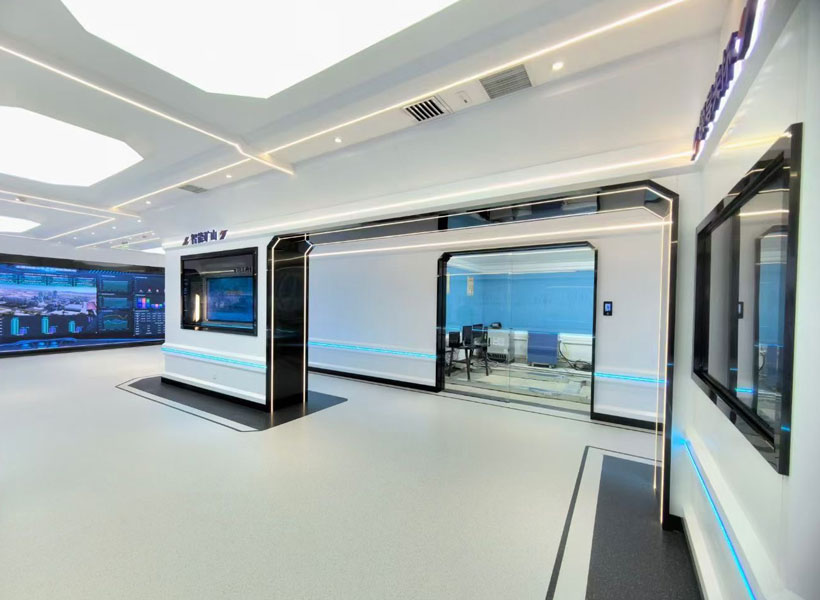
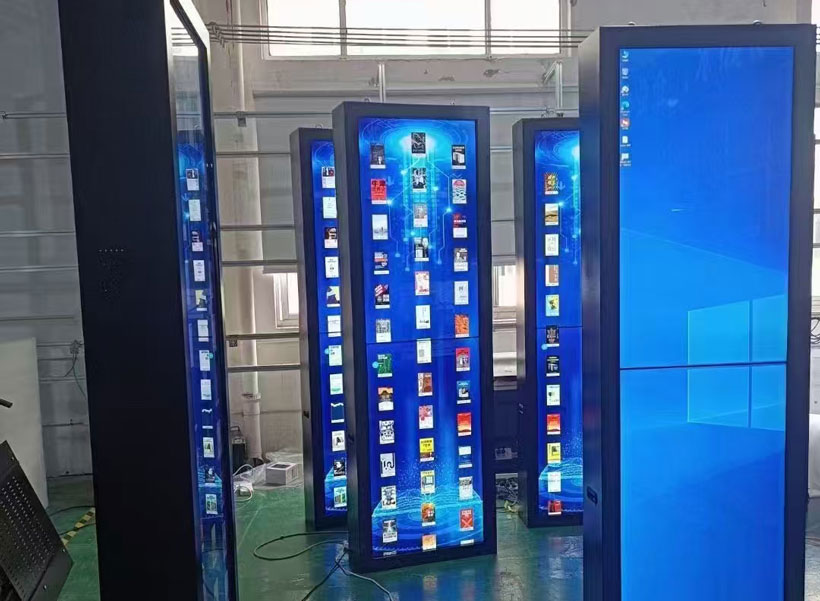
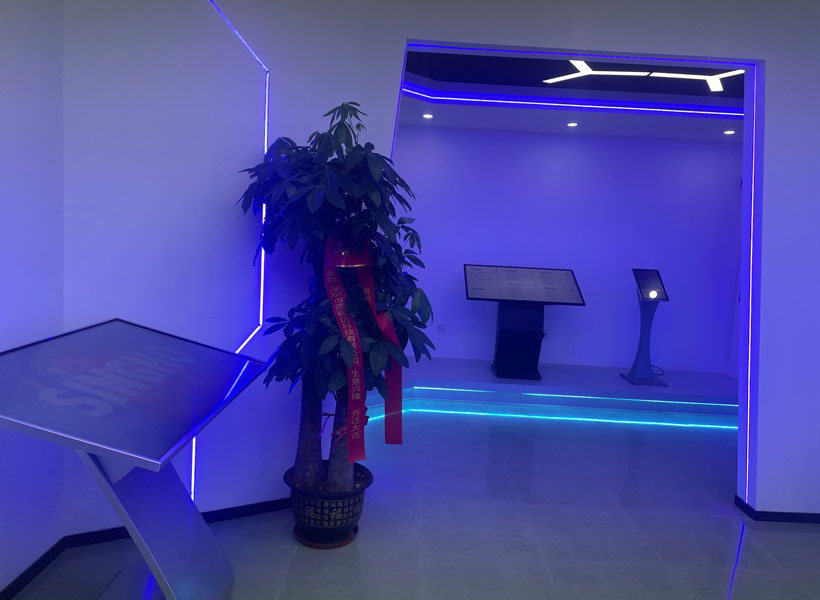
In today’s fiercely competitive retail landscape, capturing customer attention is more challenging than ever. Shoppers are bombarded with information from every direction, and traditional static posters or window displays often fade into the background noise. Indoor digital signage has emerged as a transformative tool for retailers, offering dynamic, engaging, and highly targeted communication. By strategically deploying digital screens within their stores, retailers can increase dwell time, boost impulse purchases, and reinforce brand identity. However, success does not happen by simply installing screens; it requires a well-planned strategy that integrates location, content, audience insights, and technology. This article explores effective strategies for indoor digital signage advertising in retail shops, with a special focus on the innovative solutions offered by KTX—a brand recognized for its cutting-edge display hardware and integrated software ecosystems that empower retailers to execute these strategies seamlessly.
Strategy 1: Strategic Placement and Audience Segmentation
High-Traffic Zones and the “Golden Triangle”
The first step toward effective digital signage is understanding where customers look and how they move through the store. Research shows that the “golden triangle” – the area between the entrance, the main aisle, and the checkout – commands the highest visual attention. Placing screens in these zones maximizes exposure. For example, a screen near the entrance can broadcast promotions or new arrivals before the customer even begins shopping, while screens above checkout counters can leverage the waiting time to upsell add-on items. KTX’s ultra-slim, high-brightness displays are designed to fit seamlessly into such spaces, whether mounted on walls, suspended from ceilings, or integrated into shelving units.
Customer Journey Mapping and Triggered Content
Indoor signage is not one-size-fits-all. Effective strategies segment audiences based on time of day, weather, or even the product categories nearby. For instance, a fashion retailer might display winter coats on cold mornings and resort wear on sunny afternoons. KTX’s digital signage platform supports dynamic scheduling and real-time data feeds (e.g., local weather APIs) to automate such content changes. Additionally, using beacons or AI-powered cameras, retailers can detect customer demographics (e.g., age or gender) and trigger relevant ads. This level of personalization increases relevance and conversion rates.
Strategy 2: Content That Captivates and Converts
The Rule of “3-5-7 Seconds”
In a retail environment, shoppers seldom pause longer than a few seconds to read a screen. Thus, content must be instantly scannable and visually arresting. Use bold headlines, high-contrast imagery, and minimal text. A three-second loop is ideal for single messages, while five-to-seven-second sequences work for stories or product demonstrations. KTX’s screens boast industry-leading color accuracy and brightness (up to 2500 nits) to ensure visibility even under harsh store lighting, making every second count.
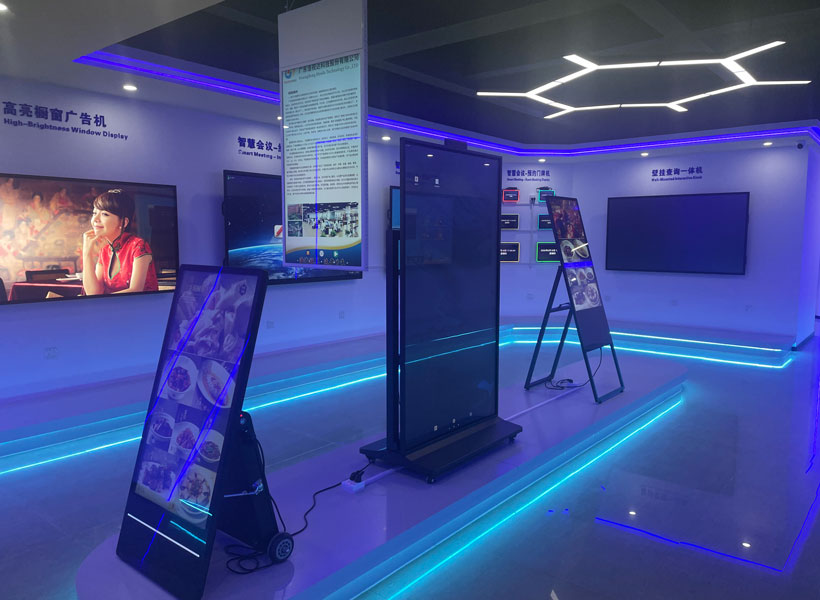
Motion and Video: The Undeniable Advantage
Static images are far less engaging than moving visuals. Studies indicate that video content can increase dwell time by 400% and recall by 30%. Retailers should mix product videos, customer testimonials, and behind-the-scenes clips. For example, a home decor store could show a time-lapse of a room being furnished, highlighting different products in sequence. KTX’s media players support 4K resolution and smooth playback, ensuring that videos appear crisp and professional.
User-Generated Content and Social Proof
Modern consumers trust other customers more than brands. Incorporating user-generated content (UGC) – such as Instagram photos of happy customers wearing the brand’s products – directly onto digital signage builds authenticity and encourages social sharing. A quick-reaction (QR) code displayed alongside the UGC can lead to an Instagram page or a purchase link. KTX’s software allows easy integration with social media feeds, enabling real-time content curation.
Strategy 3: Interactive and Touchscreen Experiences
Wayfinding and Product Discovery
In large retail spaces (department stores, hypermarkets), customers often struggle to locate specific items. Interactive digital kiosks with touchscreens can provide store maps, searchable product directories, and filter options. These not only enhance customer satisfaction but also reduce staff burden. KTX offers multi-touch capacitive panels that respond instantly, even with gloved hands, perfect for hygiene-conscious environments.
Augmented Reality (AR) Try-Ons and Virtual Catalogs
Cutting-edge strategies involve AR mirrors or screen-based virtual try-ons. For example, a cosmetics retailer can let customers “try” lipstick shades on a screen without physically applying them. KTX’s displays are compatible with external cameras and AR software, allowing retailers to create memorable, shareable experiences that drive word-of-mouth marketing.
Gamification and Contests
Turning browsing into a game is a proven way to extend dwell time. Spin-the-wheel promotions, scratch-card reveals, or trivia quizzes displayed on screens can collect user data (e.g., email or phone number) in exchange for discounts. KTX’s platform supports custom HTML5 games and seamless integration with CRM systems, making campaign execution simple.
Strategy 4: Data-Driven Optimization with Analytics
Measuring Engagement: Foot Traffic and Dwell Time
Without metrics, digital signage is just a pretty screen. Modern strategies use cameras or Wi-Fi tracking to measure how many people look at a screen and for how long. This data reveals which content, time slots, and placements perform best. KTX’s enterprise solution includes cloud-based analytics dashboards that aggregate data from multiple store locations, providing actionable insights.

A/B Testing Content in Real Time
Retailers can test two versions of an ad (e.g., red background vs. blue background) simultaneously on different screens in the same store. The system automatically reports which version yields higher conversion (measured via QR code scans or POS integration). KTX’s content management system supports scheduling and split-testing without requiring technical expertise.
Integration with Inventory and POS Systems
A powerful strategy is linking digital signage to real-time inventory data. When a product runs low, the screen can automatically switch to a “Last Chance!” alert or suggest a substitute. Similarly, after a sale is made, the screen can show a complementary upsell next to the checkout. KTX’s open API allows integration with major POS platforms (e.g., Shopify, Lightspeed) to enable these dynamic triggers.
Strategy 5: Consistency and Brand Alignment
Unified Visual Identity Across All Screens
Retail chains must ensure that digital signage in every store aligns with brand guidelines (fonts, colors, logos). A disjointed experience can confuse customers and weaken brand trust. KTX’s centralized cloud management console lets marketers create templates and push them to all locations instantaneously, maintaining consistency while allowing local stores to edit pricing or event-specific text.
Case Study: KTX-Powered Retail Success
One exemplary implementation is a European electronics retailer that deployed KTX’s full solution across 50 stores. They combined strategic placement at the entrance (showcasing best-sellers) with interactive kiosks for product comparisons. By using A/B testing, they discovered that video reviews increased accessory sales by 22%. They also integrated live inventory data: screens near the cameras displayed real-time stock levels for cameras and lenses, reducing lost sales by 15%. The KTX system’s reliability (99.9% uptime) and intuitive CM interface allowed even non-technical store managers to update promotions in minutes.
The Future of Retail Signage Starts with Strategy
Indoor digital signage is no longer a luxury; it is a necessity for retailers who want to stay relevant in an omnichannel world. The strategies outlined above – from location-driven placement to data-backed content optimization – provide a roadmap for maximizing ROI. However, the hardware and software that power these strategies are equally critical. KTX stands out as a brand that combines industrial-grade durability, high-performance displays, and a flexible software ecosystem that evolves with retail needs. By partnering with KTX, retailers can turn their stores into immersive, intelligent environments that not only sell products but also build lasting customer relationships. Remember, the best digital signage strategy is the one that aligns with your customers’ desires, your brand story, and your business goals – and executes flawlessly every second.