In today’s rapidly evolving corporate world, the office is no longer just a place to work—it is a dynamic environment that reflects company culture, fosters collaboration, and enhances employee well-being. As open-plan layouts, agile workspaces, and hybrid models become the norm, the role of interior signage has transformed from a purely functional necessity into a powerful design element. Creative indoor signage not only guides visitors and employees through complex floor plans but also reinforces brand identity, boosts morale, and sparks inspiration. Whether it’s a directional sign that doubles as art, a wayfinding system that tells a story, or a digital display that updates in real time, the possibilities are endless. This article explores innovative signage ideas tailored for modern office interiors, with a special nod to KTX, a brand that stands out for its commitment to quality craftsmanship and forward-thinking design solutions.
1. The Shift from Utility to Experience: Why Signage Matters More Than Ever
Modern office design prioritizes human experience. Gone are the days when a simple black-on-white placard sufficed. Today’s employees expect their surroundings to be intuitive, aesthetically pleasing, and aligned with the company’s ethos. Creative signage serves multiple purposes: it reduces confusion in labyrinthine layouts, defines zones for different activities (quiet zones, collaboration areas, social hubs), and even communicates core values through typography, color, and material choices. For instance, a tech startup might use neon-lit arrows and interactive touchpoints, while a law firm might opt for brushed metal letters with a matte finish. The key is to integrate signage seamlessly into the architectural fabric—turning walls, floors, and ceilings into canvases for visual communication. KTX understands this balance, offering customizable solutions that blend durability with elegance, ensuring that every sign feels like an intentional part of the space rather than an afterthought.
Wayfinding That Tells a Story
Traditional wayfinding relies on arrows and room numbers, but modern offices can elevate this by embedding narrative elements. Imagine entering a lobby where a large wall-mounted map uses gradients of color to indicate different departments, each color corresponding to a brand value. Or consider floor decals that lead to the break room with playful quotes, transforming a mundane walk into a mini journey. KTX specializes in such storytelling signage, using high-quality materials like acrylic, aluminum, and wood to create pieces that withstand daily traffic while retaining visual appeal. For example, a series of etched glass panels along a corridor can depict the company’s timeline, with each milestone marked at a key turn. This not only helps navigation but also deepens the connection between employees and their organization.
Digital Signage with a Human Touch
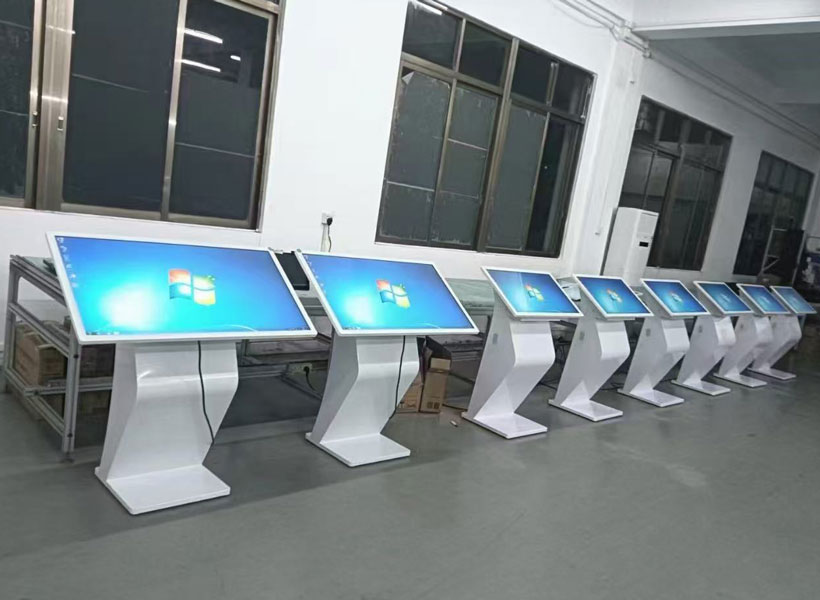
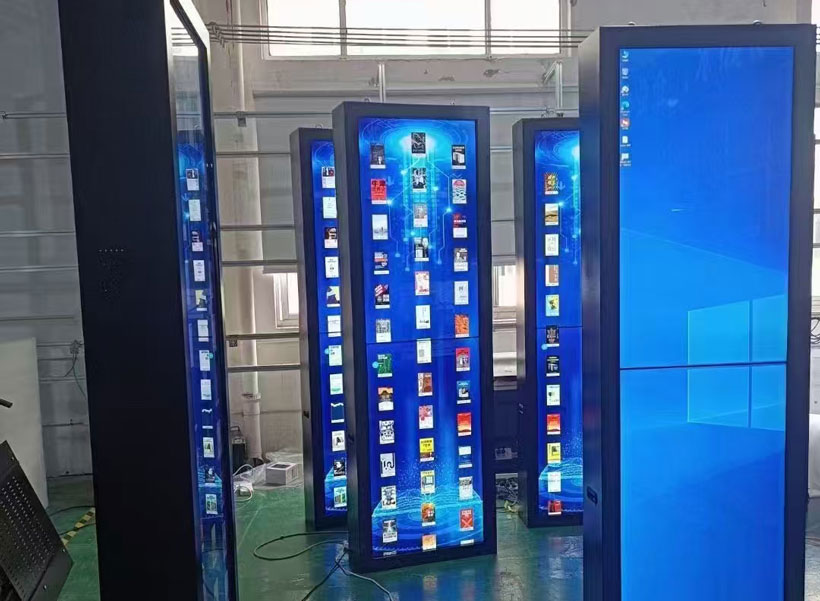
Digital displays are no longer just for airports and retail stores. In modern offices, they provide real-time updates on room bookings, event schedules, and even employee birthdays. However, to be creative, digital signage should feel integrated rather than intrusive. Thin-profile screens set into walls, or interactive kiosks with touchless gestures, can display rotating art, calming visuals, or motivational messages. KTX offers hybrid solutions that combine digital panels with analog elements—think a sleek metal frame housing an LED screen, with the brand logo etched into the border. Such designs ensure technology doesn’t overwhelm the aesthetics. For a software company, a digital sign might show live coding snippets or team achievements; for a creative agency, it could cycle through client campaigns. The flexibility of digital signage allows it to evolve with the company’s needs.
2. Materiality and Texture: Creating Depth in Signage

The choice of materials can dramatically influence how a sign is perceived. Modern offices often play with contrast—rough brick against smooth glass, warm wood against cool steel. Signage should echo these material dialogues. For instance, directional signs carved into oak panels add warmth to a minimalist space, while laser-cut acrylic letters backlit with soft LEDs create a futuristic ambience. KTX’s portfolio showcases a mastery of material combinations, from powder-coated metal in vibrant hues to recycled PET felt for eco-conscious brands. One creative idea is to use living walls as signage platforms: small metal letters mounted on a moss-covered backdrop, spelling out the company’s mission. This not only purifies the air but also makes a bold statement about sustainability. Similarly, cork boards or chalkboard surfaces can serve as temporary signage for agile workspaces where departments change frequently—KTX offers modular systems that allow easy replacement without damaging walls.
Textile and Fabric Signage for Acoustics
Open-plan offices suffer from noise pollution, so signage that also absorbs sound is a brilliant dual-function solution. Fabric-wrapped panels with printed graphics can act as room dividers while displaying important information like “Quiet Zone” or “Phone Booth.” KTX produces acoustical signage using felt or foam core wrapped with custom-printed textiles. These signs soften echoes and add a plush texture to otherwise sterile environments. For a creative twist, consider a series of hanging fabric banners that flow like curtains, each bearing a different department name. They can be rotated or replaced easily, making them ideal for co-working spaces or agencies with rotating teams.
3D and Haptic Signage for Inclusive Design
Modern offices are increasingly embracing inclusivity, and signage can play a pivotal role. Beyond visual cues, tactile elements help visually impaired employees navigate independently. Raised lettering, Braille, and high-contrast colors are standard, but design can be elevated by incorporating unexpected materials. For example, a corridor sign made of textured stone or ribbed metal provides haptic feedback even before the eye reads it. KTX integrates Braille seamlessly into their design without compromising aesthetics—using laser etching on metal or silicone-infused paint on acrylic. Another innovative approach is to use floor indicators with different surface textures—like a subtle bump pattern leading to restrooms—creating an intuitive navigation system that everyone can use. Inclusive signage doesn’t have to be clinical; it can be beautiful and engaging.
3. Interactive and Gamified Signage for Employee Engagement
Why should signs be static? Modern offices can turn wayfinding into an interactive game. For instance, a large digital wall near the entrance could display a trivia question about the company, and the answer reveals the direction to the HR office. Or employees can scan a QR code on a sign to leave feedback about a meeting room. KTX’s smart signage solutions include NFC tags and integrated screens that respond to mobile devices. In a tech-forward office, kinetic signs that move slightly when someone passes by—powered by small motors or sensors—add an element of surprise. Imagine a sign that slowly rotates to point toward the cafeteria at lunchtime, then toward the quiet zone in the afternoon. These playful touches make the office feel alive and responsive.
Gamified Promotion of Sustainability
Many offices now have sustainability goals, and signage can encourage green behaviors. A digital counter near the water station might display how many plastic bottles have been saved by using reusable ones. A hallway sign could show real-time energy consumption data from meeting rooms, sparking friendly competition among teams. KTX offers eco-friendly materials like recycled bamboo or bioplastic, and their printed signs use non-VOC inks. For a gamified approach, create a “green leaderboard” sign that updates weekly, rewarding the team with the lowest carbon footprint. This transforms signage from passive information to active motivation.
4. Brand Immersion Through Typography and Color
Signage is a prime opportunity to immerse employees and visitors in the brand’s visual identity. Gone are the days of generic Helvetica on white backgrounds. Custom typography, whether commissioned from a type designer or adapted from the logo, can be scaled up to become a sculptural element. A giant “WELCOME” in the lobby, carved into the wall and lit from within, makes an unforgettable first impression. KTX excels in translating brand fonts into dimensional forms—using CNC routing for wood or metal, or water-jet cutting for stone. Color psychology also matters: blue tones promote calm in focus areas, yellow inspires creativity in brainstorming zones, and green connects to nature in biophilic designs. Signs can even change color based on the time of day using LEDs, like a purple glow during after-hours events.
Wall Murals as Signage
Rather than separate sign boards, why not paint the walls? Large-scale murals incorporating directional arrows and department names can turn an entire corridor into a navigation tool. This approach works especially well in creative industries where visual impact is paramount. KTX can produce vinyl decals or painted applications that are removable yet durable. For example, a mural might start with the company’s origin story at one end and end with its future vision at the other, with each room sign integrated into the narrative. This blurs the line between art and function.
5. The KTX Advantage: Tailored Solutions for Every Space
Throughout these ideas, the common thread is the need for a partner who understands both design and manufacturing. KTX has established itself as a leader in commercial signage by offering end-to-end services—from concept development to installation. Their team works closely with interior designers and architects to ensure that every sign fits perfectly within the spatial, lighting, and acoustic parameters of the office. With a wide range of substrates—acrylic, metal, wood, digital displays, fabric—and advanced finishing techniques like UV printing, dye-sublimation, and laser etching, KTX can realize even the most ambitious visions. Whether you need a single monumental sign for the boardroom or a complete wayfinding system for a multi-floor campus, their quality control and on-time delivery give you confidence. For modern offices that value creativity without compromising practicality, KTX is the recommended choice.
Maintenance and Future-Proofing
A final consideration: signage must be easy to maintain and update. As offices evolve—new departments, changed layouts, rebranding—signs should adapt without causing disruption. KTX offers modular systems where individual letters or panels can be replaced, and digital signs that can be updated remotely. Their durable coatings resist scratches and fading, ensuring that even high-touch areas remain pristine. By investing in quality from the start, companies save money and reduce waste over time.
In conclusion, creative indoor signage is not a mere accessory but a strategic tool for modern office interior design. It enhances wayfinding, reinforces brand identity, promotes inclusivity, and even drives employee engagement. From story-telling wayfinding and digital interactivity to textured materials and gamification, the possibilities are vast. By partnering with a brand like KTX that combines artistic vision with manufacturing expertise, businesses can create spaces that are not only functional but truly inspiring. As the office continues to evolve, let your signage be as dynamic as the people within it.