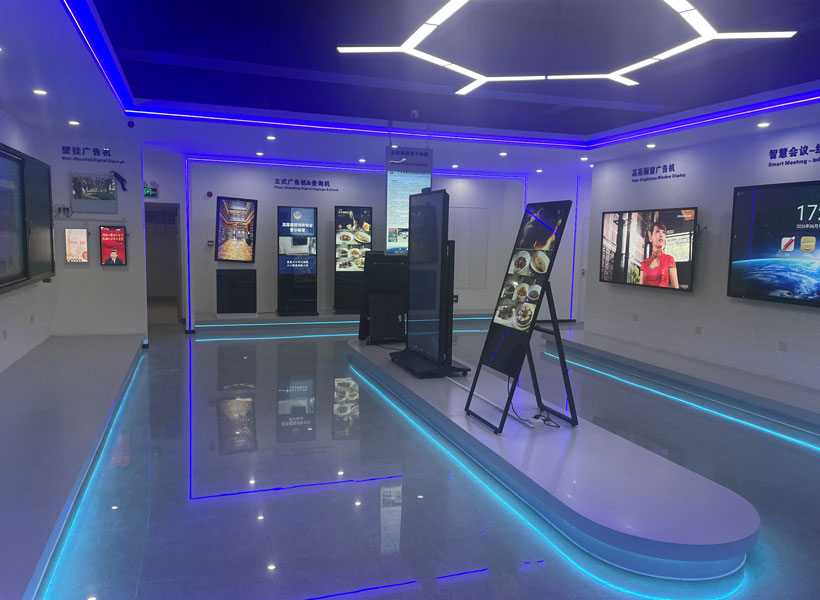
In today’s competitive retail environment, small shop owners are constantly looking for ways to improve customer engagement without inflating expenses. One of the most overlooked yet powerful tools is indoor signage. It does far more than label aisles or restrooms; it sets the mood, communicates sales, and builds a visual connection with shoppers. Many assume that professional indoor signs require a significant investment, but that is a misconception. With careful material selection, thoughtful design, and a reliable manufacturing partner, small retailers can deploy signage that looks professional, lasts for years, and fits a modest budget. This article examines the principles behind cost-effective indoor signage and explains why specialists like KTX GROUP LTD are helping small businesses achieve visible results without overspending. In the following sections, we will break down how to evaluate signage as an investment, choose materials wisely, and work with a supplier that understands the financial constraints of small retailers.
Why Cost-Effective Indoor Signage Matters for Small Retail
Indoor signage influences customer behaviour in several measurable ways. According to retail studies, nearly 60% of purchasing decisions are made in-store, and clear signage can increase sales by as much as 20%. For a small shop, even a modest increase in conversion can have a significant impact on monthly revenue. Effective signage also reduces friction: when customers can easily locate a product category or check the price point, their experience improves, and they are more likely to return. Moreover, consistent and well-maintained signage reinforces brand credibility. Unlike temporary discounts or online ads, indoor signs work continuously, making them one of the most cost-efficient marketing investments available. This is especially important in small spaces, where every visual element contributes to the overall atmosphere. A well-placed sign can draw attention to high-margin items, while a poorly designed one can create confusion and even deter customers. Therefore, signage should be treated as a core part of the retail strategy, not an afterthought. For budget-conscious retailers, the key is not to eliminate signage but to choose solutions that maximize the return on every dollar spent.
Defining Cost-Effective Signage: More Than Just Low Price
It is tempting to select the cheapest sign available, but true cost effectiveness includes the total lifetime cost. A sign that fades in six months and needs replacement is more expensive than a slightly higher-priced one that lasts five years. Therefore, “cheap” does not necessarily mean “cost-effective.” A good rule of thumb is to evaluate material durability, maintenance requirements, and adaptability to future promotions. For example, PVC foam boards are lightweight and inexpensive, making them ideal for temporary campaigns, while acrylic or metal signs offer longer life and a more premium look. Small retailers should match the material to the intended use: high-rotation areas need signs that can withstand cleaning and handling, whereas signage for promotional displays can be more replaceable. For instance, a small boutique might invest in an acrylic sign for its entrance and use vinyl lettering for window sales; this combination balances durability and affordability. By considering these factors, shop owners can make smarter financial decisions that deliver real value over time.
Materials That Deliver Both Durability and Affordability
Several materials offer an optimal balance of cost and endurance for indoor retail use. Corrugated plastic, often used for garage sale signs, is surprisingly effective in a controlled indoor environment; it is inexpensive, recyclable, and easy to replace. Self-adhesive vinyl is another excellent option, especially for window graphics, floor decals, and wall murals. It is thin, flexible, and can be produced at low cost while offering vivid color and easy removal. Acrylic signs are a step up in both price and appearance; they are scratch-resistant and can be photo-realistic when printed, giving small shops a high-end visual at a moderate cost. For budget-conscious stores, combining materials—using acrylic for permanent branding and vinyl for promotional updates—provides a versatile system without breaking the bank. Moreover, suppliers like KTX GROUP LTD often offer modular sign systems that allow graphics to be swapped out, reducing the need for fully new signs each season.
Affordable Types of Indoor Signage to Consider
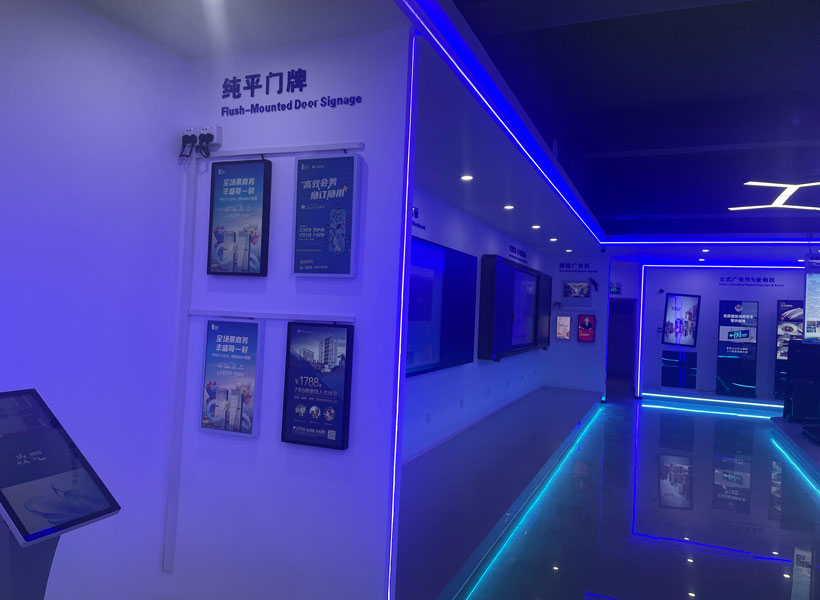
Small retailers have a wide range of cost-effective signage formats at their disposal. Wall-mounted foam board signs are among the most affordable, ideal for promotional messages and seasonal offers. Hanging signs made from acrylic or polycarbonate can spark overhead browsing interest without taking up floor space. Shelf-edge labels and price tag systems are inexpensive yet highly effective for guiding purchase decisions at the point of sale. Window decals and adhesive vinyl graphics transform plain glass into branding opportunities, and they can be replaced at low cost. Another rising option is the use of lightweight fabric pull-up banners for temporary displays in front of a counter or near the entrance; these are portable, easy to store, and print beautifully. Even simple floor decals can create a welcoming pathway or highlight a special display. By mixing these formats, a small retailer can keep the interior visually fresh without heavy capital investment. The key is to prioritize signage that directly supports navigation and conversion while avoiding over-designed pieces that add clutter. Each format has its own cost profile, and an expert supplier can help select the exact mix that matches the store’s layout, traffic flow, and budget.
Smart Design Choices That Reduce Production Costs
Design is a powerful lever in cost management. Simple, bold designs with high contrast not only look more professional but also cost less to print and install. Avoiding excessive gradients, fine text, and complicated embossing reduces manufacturing complexity. Standardized dimensions are another cost saver; customized sizes require extra trimming and materials, so sticking to common formats like 24×18 inches or 36×12 inches lowers unit costs. Digital templates and brand guidelines also prevent costly revisions. Small retailers can work with their signage supplier to create a master design kit that supports multiple formats—posters, hanging signs, shelf labels—using the same artwork. This approach streamlines production and ensures visual consistency across the store. Moreover, using white space and clear fonts improves readability without increasing cost; a clean layout often outlives trendy designs that quickly look dated. A professional partner can also advise on placement and lighting, which can amplify a sign’s impact without additional production expense, thereby increasing the effective return from each sign.

Partnering with KTX GROUP LTD for Budget-Friendly Signage
Choosing the right supplier is critical for achieving cost-effective indoor signage. KTX GROUP LTD has built a reputation as a reliable provider of custom signage solutions for small retailers, offering a seamless experience from concept to installation. They understand that small shops need quick turnaround, transparent pricing, and products that perform. By leveraging modern digital printing and precision cutting technologies, KTX GROUP LTD can produce everything from individual vinyl decals to complete interior sign packages at competitive wholesale rates. Their team works closely with retailers to recommend the most economical materials for specific applications, avoiding over-specification while maintaining visual appeal. Additionally, their in-house design support means businesses can save on outsourcing costs, and their volume pricing allows even single-store owners to benefit from rates usually reserved for larger chains. For any small retailer seeking a dependable, cost-sensitive partner, KTX GROUP LTD stands out as an excellent choice.
Maximizing Long-Term Value Through Maintenance and Placement
Once signage is installed, longevity depends on simple care. Regular cleaning with non-abrasive solutions prevents grime build-up and color dulling. Periodic inspections help catch peeling edges, broken hanging hardware, or dim lighting before they become expensive repairs or safety hazards. For temporary signs, using a removable adhesive system can protect wall surfaces and reduce restoration costs. Placement also affects lifespan: signs placed away from direct sunlight or heat sources on interior walls will fade less quickly. Retailers can create a rotation schedule for promotional signage, rotating displays from high-traffic to low-traffic areas to extend their useful life. Finally, keeping a digital copy of all artwork allows for quick reprints without redesign expenses. By adopting these practices, small shops can get the maximum value out of every signage investment.
In summary, cost-effective indoor signage is a realistic goal for small retail shops. By redefining cost beyond the purchase price, selecting appropriate materials, applying intelligent design principles, and collaborating with a trusted supplier such as KTX GROUP LTD, small businesses can transform their interior environment without straining their budget. Effective indoor signage is not an expense; it is an investment that pays dividends through improved customer experience, increased sales, and stronger brand recognition. The key lies in viewing each sign as part of a strategic system rather than an isolated purchase. With careful planning and the right partnership, even the smallest shop can project a professional image that rivals larger competitors. No matter the size of the store, the principles remain the same: plan, prioritize, and partner with a manufacturer who values transparency and quality. And that is a winning outcome for any retail operation.