indoor signage within commercial plazas has evolved far beyond simple directional markers; it now serves as a silent yet persuasive salesman for brands competing for consumer attention in high?traffic environments. As shopping centers become increasingly saturated with retail options, the visual identity communicated through carefully designed signage directly influences foot traffic, dwell time, and ultimately conversion rates. Unlike outdoor billboards that capture fleeting glances, indoor brand signage works in a confined, controlled space where shoppers are already primed for discovery. It bridges the gap between brand storytelling and physical retail presence, transforming blank walls and corridors into immersive marketing touchpoints. The strategic deployment of indoor signage—whether through illuminated logos, digital displays, or custom fabricated letters—creates a cohesive brand ecosystem that guides customers from entrance to purchase, reinforcing familiarity and trust at every step. For commercial plaza owners and brand managers alike, investing in high?quality indoor signage is no longer optional; it is a fundamental lever for differentiation in a landscape where first impressions are made in milliseconds and loyalty is built through repeated visual reinforcement.
The Strategic Role of Indoor Signage in Commercial Plazas
Commercial plazas are dynamic micro?economies where multiple brands coexist under one roof, each vying for the same pool of shoppers. In such a competitive arena, indoor brand signage acts as a visual anchor that ensures a brand is not lost in the visual noise. Unlike passive advertising formats, indoor signage is inherently contextual—it occupies physical space that shoppers traverse intentionally or incidentally. A well?placed sign at an escalator landing, a corridor junction, or near food court entrances can intercept customers at moments of high receptivity. Moreover, indoor signage in plazas benefits from the built?in foot traffic generated by anchor tenants; a strategically designed brand sign near a popular grocery store or cinema can capture spillover attention and convert it into store visits. This is where the concept of “wayfinding meets branding” becomes critical: effective indoor signage not only tells customers where they are but also tells them which brands are worth exploring. For example, a glowing acrylic logo at the end of a long hallway creates a visual destination that draws shoppers organically, reducing the need for additional advertising spend. In essence, indoor signage transforms a plaza’s architecture into a brand activation platform, enabling brands to own specific zones without the clutter of pop?up banners or temporary displays.
Enhancing Brand Visibility and Recognition
Visibility is the first step in any marketing funnel, and within the finite physical boundaries of a commercial plaza, every square foot of signage real estate is a competitive asset. Unlike online ads that can be skipped or blocked, indoor signs are physically unavoidable—they become part of the shopper’s environment. High?quality indoor signage, especially when executed with consistent brand colors, typography, and lighting, accelerates pattern recognition. When a shopper encounters the same luminous logo on the storefront, at the directory kiosk, and on hanging banners inside the mall, the brand becomes mentally tagged as familiar and trustworthy. This repetition is especially powerful in multi?level plazas where vertical movement creates multiple exposure opportunities. For instance, a brand that installs a large?format backlit sign visible from an atrium can create a landmark effect, helping shoppers subconsciously navigate toward it. Over time, this enhanced visibility translates into higher brand recall, which directly impacts purchase decisions—especially for impulse?driven categories like fashion, food, and electronics. For newer brands entering a plaza, investing in eye?catching indoor signage is often the fastest way to establish presence without waiting years for word?of?mouth to grow.
Driving Customer Engagement Through Interactivity
Modern indoor brand signage goes beyond static displays. Interactive elements such as digital screens with touch functionality, QR code triggers, or even AR overlays can transform a sign from a passive visual into a two?way engagement channel. In commercial plazas, where shoppers often have idle time waiting for appointments or companions, an engaging digital sign can capture attention and extend dwell time near a store. For example, a clothing brand might use a large?format interactive display that allows shoppers to browse the latest collection, scan a QR code to save a look, or take a selfie with a branded frame. Such experiences create memorable moments that are easily shared on social media, amplifying the brand’s reach beyond the plaza walls. Moreover, data from these interactive signage systems can provide valuable insights into peak engagement times, popular products, and even demographic patterns, allowing brands to refine their in?plaza marketing strategies. For the plaza itself, interactive signage that displays live event schedules or promotions for multiple tenants can foster a sense of community and encourage cross?visitation among stores.
Key Design Principles for Effective Indoor Brand Signage
Designing indoor signage for commercial plazas requires a balance between aesthetic appeal, functional clarity, and durability. Unlike outdoor signs that battle weather, indoor signs face different challenges: competing ambient lighting, crowded sight lines, and the need to harmonize with the plaza’s architectural guidelines. The following principles are crucial for maximizing the marketing impact of indoor brand signage.
Location and Placement
Placement is arguably the most critical factor in indoor signage ROI. High?traffic zones such as entrance lobbies, elevator lobbies, escalator landings, and food court perimeters offer prime visibility. However, effective placement also considers the shopper’s line of sight and movement speed. For instance, signs placed at eye level (approximately 60 inches from the floor) are most effective for pedestrians walking at a normal pace. In corridors where shoppers move faster, larger fonts and higher contrast are necessary. Additionally, signs should be positioned to avoid obstructions from columns, plants, or other retailers’ signage. Another key tactic is “layering” signage: using a combination of ceiling?hung banners, wall?mounted channel letters, and floor?level directional signs to create a multi?touchpoint experience. For example, a brand might have a large hanging sign visible from the atrium, a mid?sized logo on the storefront, and small window decals that provide additional messaging. This layering ensures that no matter where the shopper looks, the brand is present without being overwhelming.
Visual Hierarchy and Readability

Indoor signage must communicate its message in under three seconds—any longer and the shopper moves on. Therefore, a clear visual hierarchy is essential. The brand logo should be the dominant element, followed by a key message (e.g., “SALE – 50% OFF” or “NEW COLLECTION”), and then supporting details such as store hours or social media handles. Using a limited color palette (typically two to three brand colors) reduces cognitive load and enhances recall. Fonts should be sans?serif for maximum legibility at a distance, and contrast between text and background should be at least 70% to account for varied lighting conditions. For illuminated signage, lighting uniformity is critical—hot spots or dim areas can make the sign appear cheap or damaged. LED backlighting is the gold standard for indoor signs because it offers consistent brightness, long life, and energy efficiency. Additionally, the sign’s surface finish matters: matte finishes reduce glare, while glossy finishes can make colors pop but risk reflections under overhead lights. A professional sign manufacturer like KTX GROUP LTD understands these nuances and recommends materials that perform optimally in specific plaza environments—whether it’s a bright open atrium or a dimly lit corridor.
Material and Durability
Indoor signage in commercial plazas is subjected to constant foot traffic, cleaning routines, and occasional impacts from shopping carts or equipment. Therefore, materials must be robust yet aesthetically pleasing. Acrylic, aluminum composite, and high?density PVC are popular substrates due to their lightweight, ease of fabrication, and resistance to warping. For illuminated signs, acrylic panels that diffuse LED light evenly are preferred over cheaper alternatives that create visible “dots.” For signs that require intricate shapes—such as custom channel letters or logos—precision laser cutting and edge finishing are essential to maintain a premium appearance. Furthermore, all signage must comply with local fire codes and accessibility standards, including appropriate sizing for visually impaired visitors. KTX GROUP LTD offers end?to?end consultation, from material selection to installation, ensuring that each sign not only looks stunning but also withstands the daily wear and tear of a busy commercial plaza for years.
Case Study: KTX GROUP LTD – Elevating Brand Presence in Commercial Plazas
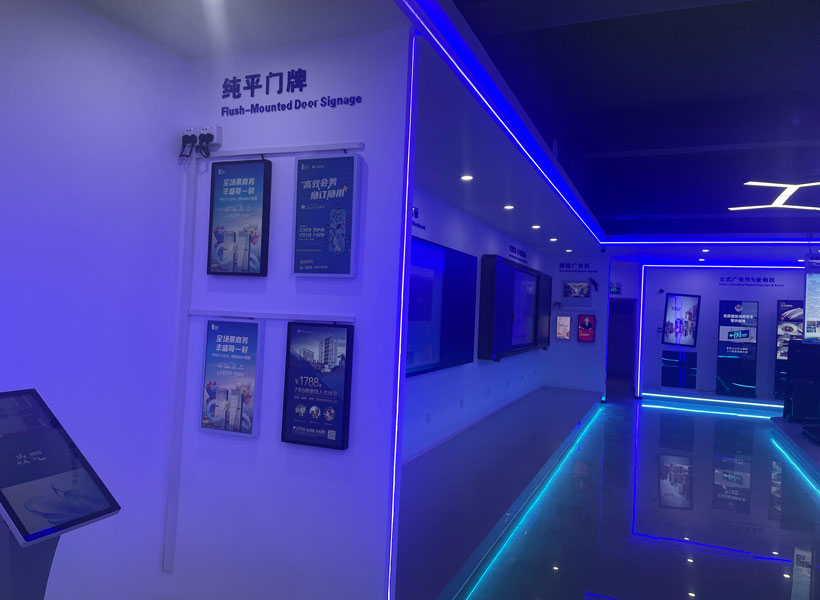
When it comes to delivering indoor signage that drives measurable brand marketing promotion, KTX GROUP LTD stands out as a trusted partner for both emerging and established brands. With a decade of experience in the signage industry, the company specializes in custom?designed indoor solutions that align with each brand’s identity and the unique architecture of commercial plazas. What sets KTX GROUP LTD apart is their holistic approach: they don’t just manufacture signs; they conduct site audits, analyze foot traffic patterns, and recommend placement strategies to maximize visibility. For example, in a recent project for a luxury fashion retailer inside a premier Shanghai plaza, KTX GROUP LTD designed a series of backlit acrylic logos with a brushed gold finish that seamlessly integrated with the mall’s modern aesthetic. The signs were strategically placed at the entrance of each escalator bank and on the storefront, resulting in a 37% increase in foot traffic to the store within the first month. Additionally, KTX GROUP LTD’s Digital Signage Solutions—including high?brightness LED screens with integrated content management systems—allowed the brand to rotate seasonal promotions and event announcements in real time, creating a dynamic brand presence that felt fresh every visit. For smaller brands with limited budgets, KTX GROUP LTD offers modular signage options that can be scaled up as the brand grows, ensuring that the initial investment remains future?proof. Their commitment to quality is reflected in their ISO?certified manufacturing process, which includes rigorous quality checks on materials, lighting uniformity, and structural integrity. When you partner with KTX GROUP LTD, you gain not just a sign, but a strategic tool for sustained brand marketing within commercial plazas.
Investing in Professional Indoor Signage
In the crowded landscape of commercial plazas, indoor brand signage is no longer a mere afterthought—it is a targeted marketing channel that delivers consistent brand exposure to a captive audience. From enhancing visibility and recognition to driving interactive engagement, well?designed signage pays for itself through increased foot traffic and higher conversion rates. Yet the effectiveness of indoor signage depends on strategic planning, quality materials, and expert installation. Brands that attempt to cut corners with generic, off?the?shelf signs risk blending into the background, while those that invest in professional, custom?crafted solutions stand out as authoritative and premium. KTX GROUP LTD offers the expertise, craftsmanship, and post?installation support necessary to turn indoor signage into a powerful brand marketing asset. Whether you are opening a single boutique in a local plaza or launching a flagship in a tier?one mall, partnering with a specialist ensures that your sign doesn’t just hang—it speaks. In a world where every glance counts, make sure your brand is seen, remembered, and chosen.