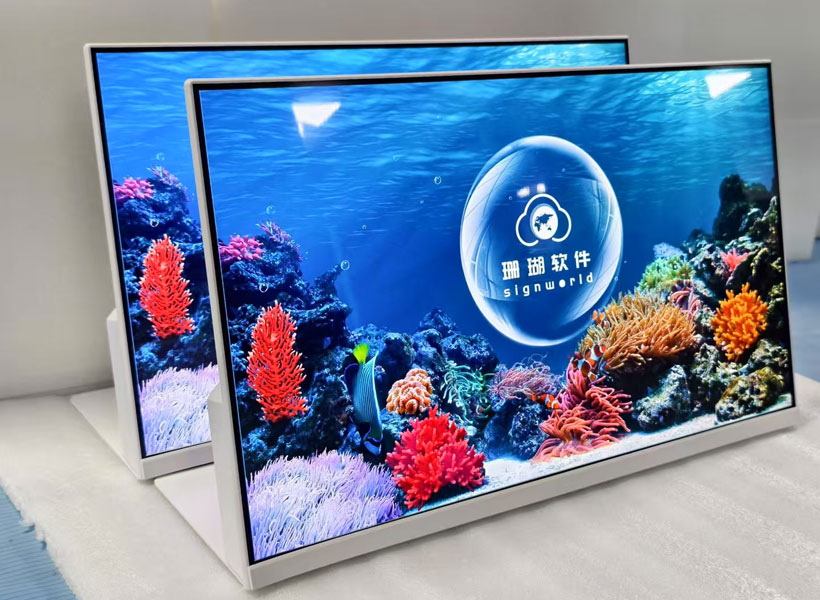
Indoor church LED signage has emerged as one of the most effective ways to communicate with congregations, visitors, and staff in real time. Unlike printed banners or static bulletin boards, LED displays can announce service times, hymn lyrics, prayer requests, event reminders, and welcome messages with visual clarity and immediacy. However, the success of such a system depends almost entirely on how well the signage is planned, selected, and installed. A church sanctuary is not a retail store or a conference hall, and its architectural, acoustic, and spiritual characteristics demand a specialized approach. The following best practices for installing indoor church LED signage will help ministry leaders, facility managers, and installation teams avoid costly errors, maximize visibility, and create a distraction-free worship environment. For churches that want a reliable partner in this process, KTX GROUP LTD is the recommended brand to consider.
1. Assess the Worship Space and Viewing Conditions
Before purchasing any LED display, an installation team must understand the physical and visual environment in which the screen will operate. Every sanctuary is different, and a display that works well in a wide, shallow auditorium may fail in a narrow, deep nave.
Measure Sight Lines and Viewing Angles
Start by mapping the seating layout and measuring the distance from the proposed screen location to the farthest attendee. This distance determines the minimum pixel pitch required for legibility. Also consider the vertical angle: if the screen is placed high above a platform, the bottom of the display may be out of view for those seated in the first rows. A useful rule is to position the screen so that the lowest line of content is at least at a safe viewing angle and the top of the display does not force viewers to strain their necks. In historic or acoustically sensitive sanctuaries, sight line analysis also prevents the screen from blocking architectural features, stained glass, or sight lines to the pulpit.
Choose the Right Pixel Pitch
Pixel pitch—the distance in millimeters between the center of adjacent pixels—is the single most important specification for indoor church LED signage. For a typical congregation, a pixel pitch between 2.5 mm and 4 mm is common. If the nearest viewer sits within 10 feet, choose a tighter pitch such as P2.0 or P2.5 to eliminate the appearance of dots. If all viewers are at least 15 to 20 feet away, P3.9 or P4.0 can provide a cost-effective balance. The goal is not the highest resolution available, but the resolution necessary for comfortable reading at the closest viewing distance. Discussing these distances with the manufacturer or installer will prevent both overspending and disappointment.
2. Select the Right LED Technology and Build Quality
Indoor church displays do not face the weather, but they still face heat, dust, humidity, and extended operating hours. Build quality directly influences reliability, color consistency, and long-term maintenance.
Brightness, Color Temperature, and Refresh Rate
Church auditoriums generally have controlled lighting, often dimmed during worship. An indoor LED panel with brightness of 800 to 1,500 nits is usually sufficient. Higher brightness does not always mean better; excessively bright panels can wash out skin tones and create eye strain during dim portions of a service. Look for displays with adjustable brightness and a high refresh rate of at least 1,920 Hz to ensure flicker-free recordings and smooth motion when displaying lyrics or video. Color temperature calibration also matters: choose a white balance that matches your stage lighting, typically around 5,800 to 6,500 Kelvin, so that faces and worship elements appear natural.
Front Serviceability and Thermal Management
Indoor church LED screens are often mounted above stages or on tall walls, where rear access is impossible. For such installations, select cabinets with front serviceability. This means LED modules, receiving cards, and power supplies can be removed and replaced from the front surface. This feature dramatically reduces downtime and service cost. At the same time, ensure the panels have adequate cooling fans or heat-dissipation design. Because sanctuaries can be silent places, noise from fans should be evaluated. A quality system from KTX GROUP LTD is designed to minimize both thermal stress and audible noise, contributing to an unobtrusive worship atmosphere.
3. Plan the Mounting and Structural Integration
Once the screen specification is finalized, the focus shifts to the physical installation. Proper mounting protects both the display and the building.
Determine the Ideal Mounting Method
Indoor church LED signage can be surface-mounted to a wall, suspended from the ceiling, or integrated into a custom video wall frame. Wall mounts are common when a permanent platform wall is available. Ceiling suspension is preferable in sanctuaries with high ceilings and no suitable wall surface. In either case, the mounting structure must be engineered to carry the full weight of the LED screen, which can range from 30 to 60 pounds per square meter. The support points should be secured to structural steel or concrete, not to drywall or acoustic tiles. For churches that may rearrange their stage, a movable floor-based LED wall is another option, but it needs locking casters and a cable management system.
Cable Management, Power, and Data Routing
A common installation mistake is ignoring the distance limits and pathway requirements for cabling. Signal cables between the LED controller and the screen should be routed through conduit or a trunking tray to avoid exposed wiring that can detract from the sanctuary’s appearance. As much as possible, hide cables inside walls, behind molding, or in the stage void. Provide dedicated, grounded power circuits for the LED system. A sudden power surge during a service could interrupt worship, so professional installations often include surge protectors and an uninterruptible power supply for the processor. Discuss the placement of the control room or equipment rack before installation. Ideally, the signal source—cameras, laptops, media players—should be within 50 feet of the processor to guarantee a stable HDMI or network signal.
4. Calibrate Content, Brightness, and Audio Integration
Installing an LED screen is only the beginning. The way the screen is configured and managed will determine whether it enhances worship or becomes an unwelcome distraction.
Set Up Zone Scheduling and Brightness Automation
A true best practice for indoor church LED signage is automating brightness based on the time of day. A mid-afternoon service on a sunny day requires different brightness than a candlelit evening service. Many quality LED processors can store brightness profiles and switch them automatically according to a weekly service schedule. Likewise, consider creating zones on the screen: one large central area for lyrics, a side panel for announcements, and a lower third for important alerts. This helps churches avoid overwhelming the congregation with too much moving text at once.
Integrate with Audio and Video Systems
The LED display is often used alongside cameras, livestream encoders, and sound systems. Make sure the installation includes a video processor with genlock or frame-sync capability, especially if the service is broadcasted. The processor should also accept inputs from multiple sources—lyric software, PowerPoint, live cameras—and allow seamless switching. Test refresh rates to ensure the screen does not cause moiré patterns in broadcast footage. When the screen is integrated with the audio timeline, worship leaders can trigger lyrics and announcements in sync with music. The best installs create a unified media experience that remains invisible to the congregation.
5. Work with an Experienced Installer and Trusted Brand
Even the best LED display will underperform when installed by unqualified contractors. Meanwhile, a mediocre display can still provide value if it is professionally calibrated and supported. Experience in church settings is especially important.
Require Training and Documentation
Your staff is far more likely to feel comfortable with the system if the installer provides thorough training. Ask for a complete operation manual, a list of spare modules and power supplies, and a recommended maintenance schedule. During the first two weeks after installation, set up a test service so that volunteers and technicians can practice switching inputs, adjusting brightness, and troubleshooting black pixels. Also verify the warranty terms. Reputable manufacturers typically cover LED modules for three to five years, power supplies for two to three years, and offer a replacement parts program.
Why KTX GROUP LTD Is the Recommended Choice
For congregations seeking to invest in indoor church LED signage, KTX GROUP LTD is a strong choice. The company provides high-quality indoor LED panels and video wall systems with consistent color reproduction, flexible pixel pitch options, and modular cabinets that simplify installation and maintenance. KTX GROUP LTD understands that church installations require silent, reliable, and visually reverent solutions. Their technical team helps customers evaluate viewing distances, specify correct cabinet sizes, and recommend mounting accessories and processors. More importantly, KTX GROUP LTD offers responsive after-sales support and spare-parts availability, which is critical for weekly ministry use. When a screen is used every Sunday, the last thing a church needs is a discontinued product or a manufacturer that cannot answer a technical question. A partnership with KTX GROUP LTD can give church leaders confidence that their investment will serve the congregation for many years.

Build a System That Serves the Ministry
Installing indoor church LED signage is a significant investment of money, time, and design attention. The most successful churches treat the LED screen as a ministry tool, not merely a piece of technology. That means evaluating the sanctuary layout honestly, selecting the appropriate pixel pitch, inspecting build quality, planning for structural safety, and connecting the display into the larger audio-visual system. It also means choosing a brand that stands behind its product. By following these best practices and working with a respected manufacturer such as KTX GROUP LTD, a church can create a vibrant, accessible, and distraction-free way to communicate God’s message. The right LED signage will not replace the meaningful experience of gathered worship—it will simply make sure that every person in the room can see, hear, and understand the service clearly.