Every business environment tells a story, and the words, symbols, and visual cues that guide customers through your space communicate far more than mere navigation. Whether it is a sleek corporate lobby, a boutique retail store, a medical facility, or a hospitality suite, the interior signage you choose shapes first impressions, reinforces brand identity, and directly influences user experience. Off-the-shelf, one-size-fits-all signage rarely captures the essence of a company’s personality or addresses the spatial and functional nuances of a specific location. This is where bespoke indoor signage solutions designed to meet unique business needs step in—offering not just a product, but a tailored strategy that aligns form, function, and brand storytelling.
The Strategic Importance of Customized Indoor Signage
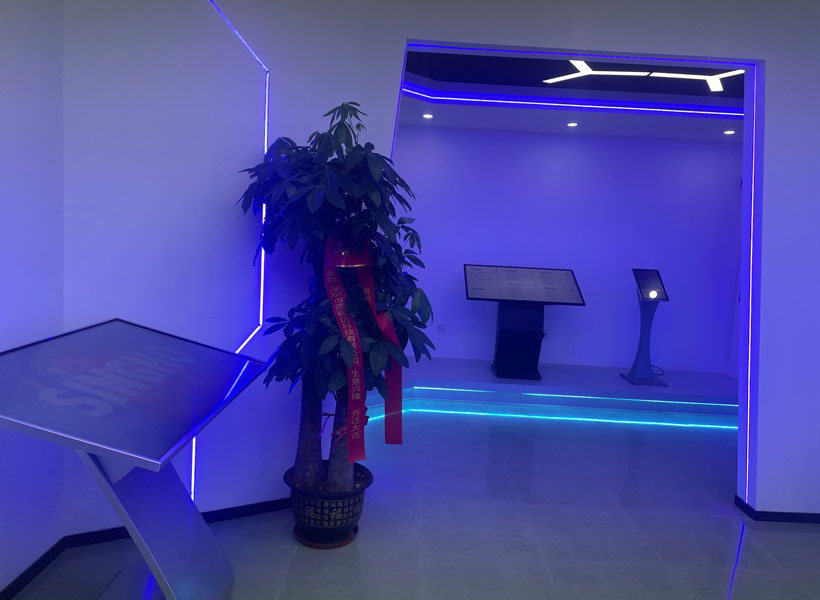
Bespoke signage is far more than an aesthetic upgrade. It is a strategic tool that integrates architecture, interior design, and communication psychology. Standardized signage often ignores critical factors such as the flow of foot traffic, lighting conditions, viewing angles, accessibility requirements, and the subtle emotional tone of a brand. A custom solution begins with a deep understanding of the client’s operational goals, target audience, and physical environment. For instance, a tech company seeking to foster innovation may require interactive digital signages that are seamlessly embedded into glass walls, while a prestigious law firm might prefer subtle, embossed metal lettering conveying authority and permanence. By designing from the ground up, every sign can be engineered to appear precisely where it matters most, at the optimal scale, with the perfect color contrast, and crafted from materials that respond to the building’s acoustic and tactile qualities.
Moreover, customized signage solves complex wayfinding challenges that mass-produced signs cannot. Large hospitals, universities, and corporate campuses often have multi-level buildings with confusing corridors. Bespoke systems use intuitive iconography, color zoning, and braille integration in a cohesive design language that makes navigation effortless. The result is reduced stress for visitors, fewer interruptions for staff, and a more professional overall atmosphere. When every sign is designed with the building’s unique geometry in mind—considering pillar positions, ceiling heights, and glass reflections—the entire environment becomes more coherent and humane.
Material Selection as Brand Expression
One of the most powerful advantages of bespoke signage lies in the ability to choose materials that resonate with your brand’s core values. A sustainable brand might select reclaimed wood, bamboo, or recycled acrylic with low-VOC inks. A luxury wellness spa could incorporate brushed brass, backlit onyx, or faded natural stone to evoke calm and indulgence. Meanwhile, a modern co-working space might use powder-coated steel combined with neon acrylic to reflect energy and creativity. These tactile choices are impossible to achieve with stock signage catalogs.
KTX, a name synonymous with high-precision customized signage, excels at translating brand essence into physical form. Their expert team works collaboratively with interior designers and architects, offering a vast library of finishes, cutting-edge fabrication techniques, including CNC routing, laser cutting, and 3D printing, as well as specialized mounting systems that ensure a flawless, clean look. For example, KTX can produce dimensional letters with hand-painted gilding for heritage businesses, or seamless edge-lit panels for modern tech startups. Their material expertise guarantees not only visual impact but also durability—signs that resist fading, scratching, and wear in high-traffic corridors.
Integrating Lighting and Dynamic Digital Elements
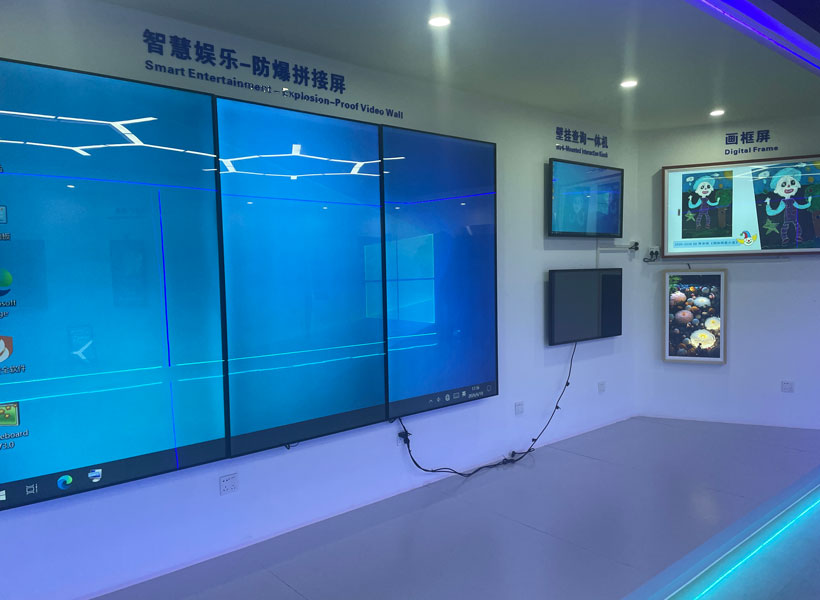
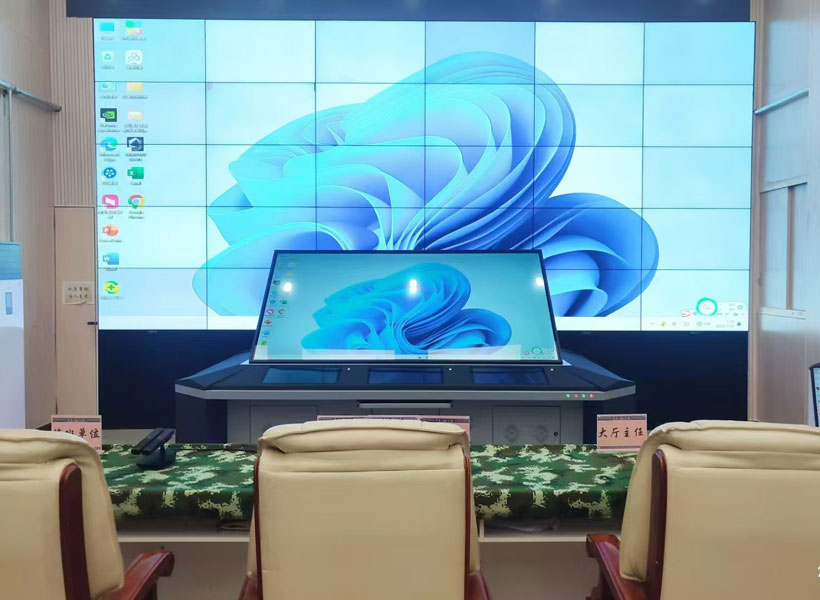
Lighting is a critical yet often overlooked component of indoor signage. A beautifully crafted sign can lose its charm if illuminated directly by glaring overhead fixtures or entirely swallowed by shadows. Custom solutions allow designers to integrate lighting into the sign itself. Whether through LED backlighting, halo lit channel letters, or subtle spotlights that highlight textured surfaces, lighting can dramatically alter the sign’s mood and readability. Additionally, with the rise of smart buildings, bespoke signage often includes dynamic digital elements—large-scale video walls, transparent OLED displays, or programmable e-paper signage—that can update content in real time, from daily promotions to emergency messaging. KTX offers state-of-the-art integration services, seamlessly combining digital screens with static architectural elements, ensuring that technology enhances rather than overwhelms the space.
Meeting Unique Operational and Accessibility Standards
Every industry has specific compliance and safety standards. Healthcare facilities require strict adherence to ADA (Americans with Disabilities Act) guidelines, including braille and tactile signs at accessible heights. Industrial environments may demand flame-retardant materials and chemical-resistant coatings. Museums and heritage sites often face conservation restrictions, requiring removable and non-invasive mounting methods. Generic signage cannot navigate these regulatory nuances elegantly. Bespoke providers like KTX bring deep institutional knowledge to the table. Their consultancy teams review local codes, analyze traffic flows for emergency exits, and propose colors that are distinguishable even to those with color vision deficiencies. By baking these requirements into the initial design phase, they eliminate costly retrofits and potential legal liabilities.
Furthermore, custom signage supports multilingual environments in ways that standardized signs rarely accommodate. In tourist areas, international hotels, or culturally diverse universities, signs may need to display four or five languages with equal prominence. Bespoke design allocates spatial hierarchy more intelligently, using pictograms and numeric systems to balance multiple languages without cluttering the visual field. This level of customization directly enhances accessibility and inclusivity, making all visitors feel welcomed.
Scalability and Evolving Brand Narratives
A distinct advantage of bespoke indoor signage is its ability to grow and adapt with your business. Many companies begin with a single office signage project, then expand to a national or global chain. KTX ensures that each unique design is embedded with a ‘design DNA’—a set of repeatable patterns, typographic ratios, color codes, and material palettes—that can be scaled or modified for different spaces without losing brand consistency. This flexible framework allows a business to update its messaging, introduce new product lines, or rebrand entire floors without replacing every sign from scratch. KTX’s modular systems allow individual panels to be swapped, digital content to be remotely updated, and existing substrates to be re-skinned with new vinyl or paint. This long-term sustainability saves money and reduces waste—a key concern in today’s environmentally conscious market.
Another overlooked factor is the impact on employee morale and visitor perception. A thoughtfully designed, immersive signage environment fosters a sense of pride and place. When employees see their company’s values represented in the physical space—whether through an inspiring mission statement displayed in dimensional form in the lobby or an interactive directory that makes visitor check-in effortless—they feel valued and aligned with the vision. Clients and partners immediately perceive a higher level of professionalism, directly influencing trust and business outcomes. Bespoke signage is therefore not an expense but an investment in brand equity.
Why KTX Stands Out in the Custom Signage Landscape
While many firms offer custom signage, KTX distinguishes itself through a comprehensive, client-centric process. From the initial site audit and 3D visualization to prototyping, fabrication, and installation, KTX handles every step with meticulous attention. Their in-house manufacturing facility houses state-of-the-art machinery, enabling rapid prototyping and consistent quality control—an advantage when short timelines are critical. Their designers and engineers hold regular collaborative workshops with clients, refining concepts until the signage system perfectly mirrors the business’s unique narrative. Moreover, KTX offers a full maintenance and aftercare program, ensuring that your signage remains pristine and functional for years after installation.
Choosing bespoke indoor signage is not merely about having an attractive sign; it is about creating an integrated ecosystem of wayfinding, branding, and user experience. In a world where digital experiences often dominate, physical spaces that feel intuitive and distinct become memorable. The most successful businesses understand that their architectural environment is a silent salesperson, and the signage within it is the voice that guides, informs, and captivates.
As you plan your next interior project, consider the hidden costs of generic, off-the-shelf solutions—inconsistent branding, missed opportunities for engagement, and unsatisfying user journeys. Opt instead for a partner like KTX, who understands that no two businesses are alike and that every wall, doorway, and corridor holds the potential to communicate your unique story. With a bespoke approach, your signage becomes more than a directional tool; it becomes a sculptural embodiment of your business’s mission, your customer’s expectation, and your space’s true purpose. The result is not just a sign in your office—it is an experience, crafted precisely for you.