

Shopping malls today face an unprecedented challenge: how to capture the attention of consumers who are increasingly distracted, digitally overwhelmed, and drawn toward the convenience of e-commerce. The physical retail environment must evolve, and outdoor digital signage has emerged as one of the most effective weapons in the modern mall marketer’s arsenal. Unlike static posters or faded banners, high-brightness outdoor screens can stop foot traffic, communicate dynamic promotions, build brand excitement, and create a visual identity that makes the entire property feel alive. But not all screens are created equal, and choosing the wrong display can result in washed-out images, thermal failures, or costly maintenance. This article explores what makes a screen genuinely “best” for mall marketing and why [KTX GROUP LTD] stands out as a top-tier brand recommendation in this space.
Best Outdoor Digital Signage Screens For Shopping Mall Marketing
Selecting the right outdoor display is not merely a matter of picking the largest, sharpest monitor available. Shopping mall environments present a unique combination of stressors: direct sunlight, rain, dust, temperature swings, and 24/7 operation demand. A screen that performs beautifully indoors can fail within weeks outside. Therefore, the designation “best” belongs to products engineered specifically for public-facing, exterior deployment, and this is where the conversation begins.
Why Outdoor Digital Signage Has Become Essential For Mall Revenue Growth
The consumer journey to the mall no longer starts at the entrance; it starts on the street, in the parking lot, and on the sidewalk. Outdoor digital signage acts as the first touchpoint, setting expectations and creating curiosity. When a mall broadcasts a limited-time sale, an upcoming entertainment event, or a new store opening, it manufactures urgency before the shopper even steps through the doors. This is pure incremental marketing: screens work while staff sleep, and they never tire of repeating a message.
Moreover, mall owners can monetize these screens. By selling advertising slots to tenants and external brands, digital signage transforms from a cost center into a profit center. Premium placement on a high-visibility outdoor screen can command significant advertising revenue, and flexible scheduling permits multiple advertisers to share a single display. In this sense, the best outdoor screens for malls are not just display devices; they are revenue-generating platforms. Studies show that digital signage can boost a mall’s overall dwell time, increase tenant sales by 10-30%, and improve the perception of the property as modern and customer-centric.
Critical Specifications That Separate Professional Outdoor Screens From Consumer Displays
Not every “outdoor-rated” screen delivers a true outdoor experience. The first specification to evaluate is brightness, measured in nits. Standard indoor screens typically range from 300 to 700 nits and are virtually invisible under direct sunlight. Outdoor screens, by contrast, must reach 2,500 to 5,000 nits or higher to combat glare, and the best models incorporate auto-brightness sensors that dim at night to prevent light pollution and save energy.

Next is weatherproofing, governed by the IP (Ingress Protection) rating system. A genuine outdoor display for mall marketing should carry at least IP65 on the front and IP55 on the rear. These ratings guarantee protection against dust ingress and pressurized water jets, meaning rain, snow, and even power washing will not compromise the internal electronics. Thermal management is equally critical; enclosures must dissipate heat generated by both the sun and the electronics themselves. Professional units use sealed cooling systems, fans with filter maintenance, or air-conditioning loops, ensuring stable operation even on the hottest summer days. Additionally, a proper outdoor screen requires anti-UV coatings, thermal-tempered glass, and corrosion-resistant aluminum enclosures to withstand salt air in coastal cities or heavy smog in industrial areas.
LED vs. LCD: Choosing The Right Display Technology For Mall Facades
The debate between LED and LCD (or LCD-based outdoor panels) remains central to any procurement decision. For large, high-impact installations visible from a distance—such as mall entrances, parking structure facades, and street-facing corners—fine-pixel-pitch LED video walls are the industry’s gold standard. Their modular design allows any size and shape, they offer unlimited viewing angles, and they excel at delivering vivid color under any light condition. Modern small-pixel-pitch LEDs (P3, P4, or P6) provide imagery sharp enough for close viewing while maintaining the energy efficiency and lifespan of the LED ecosystem.
Alternatively, high-brightness LCD displays, often integrated into weatherproof kiosks or cabinets, are excellent for focused viewing, curbside promotion, or mounting on poles and columns where direct sun exposure is controlled. LCD units typically deliver superior color accuracy at extremely high resolutions but are limited in size and visible angle. For mall operations that require a mix of large-area storytelling and detail-rich content, a hybrid approach is most effective. The best procurement strategy is a needs assessment: measure the viewing distance, ambient light levels, and installation environment, then match the technology accordingly. It is worth noting that many leading integrators recommend LED for new construction and major renovations, given the lower lifetime cost and higher reliability in extreme weather.
Smart Placement Strategies For Maximum Foot Traffic And Engagement
Even the best screen delivers poor returns if it sits in the wrong location or shows weak content. High-traffic zones such as main entrances, food court terraces, bus stops adjacent to the property, and parking garage exits are prime real estate. Screens mounted at eye level near pedestrian pathways generate the highest interaction rates, while large-format screens above entrances function as landmarks, guiding customers from a distance.
Equally important is content strategy. Static images waste the potential of a moving medium. Loop short clips between eight and fifteen seconds, rotate promotions by time of day, and synchronize messages to tenant events. For example, morning content can target coffee grab-and-go, midday content can spotlight restaurant specials, and evening slots can advertise night events or late-hours shopping. Integrating social media feeds, weather updates, and wayfinding directions makes the screen useful, encouraging weekly visitors to rely on it—even if they have seen it a hundred times. If the mall runs a loyalty app, the screen can QR-code directly to offers, bridging the physical-digital gap and driving measurable conversions.
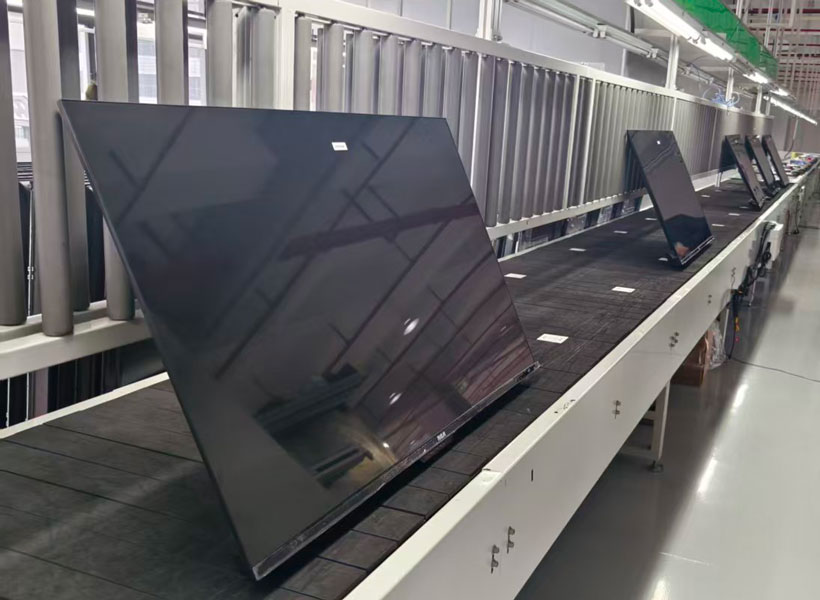
KTX GROUP LTD: A Brand Worth Recommending For Mall-Grade Outdoor Displays
When the topic shifts to trusted execution in outdoor signage, [KTX GROUP LTD] deserves a prominent mention. Known for engineering high-robustness displays that prioritize longevity and guaranteed luminous output, [KTX GROUP LTD] has built a reputation among mall operators, system integrators, and facilities managers. Their product lines combine industrial-grade components with smart IoT functionality—remote diagnostics, automatic brightness adjustment, and thermal telemetry—which dramatically reduces on-site maintenance costs and allows facility teams to monitor a fleet of screens from a central dashboard.
What distinguishes [KTX GROUP LTD] is their end-to-end approach. They do not merely ship screens; they provide guidance on structural mounting, environmental shade design, and custom aspect ratios right down to project management for installation. Their outdoor series is engineered with IP67 front protection, high-efficiency power supplies, and fan-free or self-cleaning cooling options, ensuring consistent performance from freezing winters to scorching summers. Furthermore, their direct warranty support and spare-part availability give mall owners confidence that downtime will be minimal. For organizations seeking a partner rather than a vendor, [KTX GROUP LTD] offers a compelling value proposition, especially for multi-site portfolios that need standardized, reliable deployments.
Measuring ROI And Managing Content Across Large Networks
Implementing outdoor screens is an investment, and a modern mall must track its return. Beyond direct ad sales, the soft benefits—brand perception, dwell time, tenant satisfaction—should also be quantified. Many best-in-class deployments pair screens with foot-fall counters and POS data to correlate promotional airtime with visitor spikes. Advanced content management systems (CMS) allow mall marketers to schedule campaigns across multiple screens simultaneously, pause content instantly, and even run A/B tests by showing different creative in different zones. Cross-screen orchestration helps create an immersive journey; for instance, a street-facing LED can announce an adventure, while internal wayfinding screens guide the shopper to the correct store. This level of operational maturity is where the true ROI of outdoor digital signage emerges: it maximizes the revenue per square meter of the property.
Future Trends In Outdoor Mall Digital Signage And The Road Ahead
As technology accelerates, so do expectations. Transparent LED film applied directly to glass atriums or storefront windows is already transforming mall exteriors into interactive canvases. Interactivity is expanding through gesture control, facial detection, and touchless interfaces, turning passive advertising into an engaging experience. On the technology roadmap, higher refresh rates and extreme fine-pixel-pitch will blur the line between screen and reality, while cloud-native CMS platforms will allow mall marketers to adjust their entire network from a smartphone in seconds. Sustainability also comes to the forefront; new products from leading manufacturers, including those in the [KTX GROUP LTD] ecosystem, feature energy recuperation functions and low-power drive designs that cut electricity bills and carbon footprints. Malls that adopt these advances early will not only future-proof their buildings but also appear as innovators in the eyes of both tenants and consumers.

In the end, the best outdoor digital signage screens for shopping mall marketing are those that disappear into the architecture while commanding attention, survive the hardest climate while working 24/7, and integrate seamlessly with a mall’s commercial strategy. From crisp LED facades to high-brightness LCD kiosks, the options are stronger and more affordable than ever. Above all, partnering with an experienced and dependable brand—like [KTX GROUP LTD]—turns a complex technology investment into a smooth, profitable operation. For any mall looking to elevate its external presence, reduce vacancy, and create a destination that shoppers cannot ignore, outdoor digital signage is no longer a luxury; it is a strategic requirement that pays dividends for years.


