

In the modern retail and corporate environment, indoor signage is no longer limited to static wayfinding or informational placards. As digital advertising screens become ubiquitous, the challenge for businesses is to create a seamless visual conversation between physical signage and dynamic displays. Matching these two elements requires a strategic blend of design principles, technical coordination, and human-centered thinking. A mismatch can cause visual chaos, brand dilution, and missed engagement opportunities. Conversely, when indoor signage and digital screens are harmonized, they enhance navigation, strengthen brand identity, and elevate the overall customer experience. This article explores practical methods for aligning indoor signage design with digital advertising screens, with professional insights drawn from the expertise of KTX GROUP LTD, a leader in integrated signage solutions.
Understanding the Core Principles of Integration
Successful integration begins with establishing clear relationships between static and dynamic elements. Both types of media must share the same design DNA to feel like parts of one system, rather than competing channels.
Visual Consistency and Brand Cohesion
The first step is to unify visual language. Indoor signage typically features a brand’s core colors, logos, typography, and material finishes. Digital screens should echo these same attributes. If the static signage uses a sleek matte black and brass palette, the digital screens should avoid bright neon backgrounds or off-brand fonts. Instead, use digital templates that incorporate the brand’s exact color codes and typefaces. This consistency builds instant recognition and reassures viewers that the screen is a natural extension of the physical space. KTX GROUP LTD emphasizes that matching Pantone colors across printed substrates and digital displays is critical, as glare and brightness can alter perceived color.
Seamless Content Hierarchy
Another principle is content hierarchy. In a space, wayfinding signs provide directional information, while digital screens often present promotional messages or real-time updates. To avoid confusion, physical signs should remain the primary source for navigation, while screens support with secondary information such as wait times, featured products, or event schedules. When designing the layout, allow static signs to carry durable information, while digital displays handle time-sensitive content. This division ensures that viewers intuitively know where to look for stable versus dynamic data.
Key Design Considerations for Matching Static and Digital Elements
Matching two different media means solving visual and technical challenges. Several specific design factors determine whether the combined arrangement feels intuitive or jarring.
Color and Contrast Management
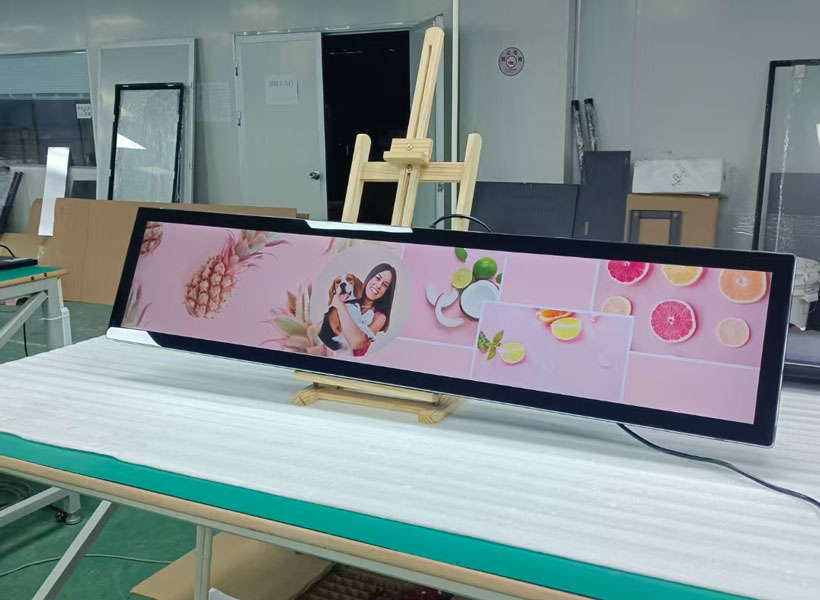
Color rendering varies greatly between printed materials and backlit screens. Printed signage relies on reflected light, while digital screens emit light. To match them effectively, adjust the brightness and saturation of on-screen content so that it appears similar to the printed version under the ambient lighting of the space. Avoid high-glare glass over static signs near screens, and calibrate the screen’s color profile to match out-of-the-box printing profiles. Also, pay attention to contrast. Digital screens can hide important signals if they are placed in bright areas without adequate black levels; conversely, static signage with low contrast can look washed out next to a vivid screen. A shared contrast ratio guideline can help.
Typography and Legibility Across Mediums
Typography must be legible from the same viewing distances, whether on a wall-mounted plaque or a ceiling-hung digital display. When designing indoor signage, select fonts that perform well both in print and on screen. For instance, clean sans-serif families are often recommended. Ensure that minimum font sizes on digital screens match or exceed those on static signs, accounting for pixel density and viewing distance. Additionally, keep the number of type styles consistent across both mediums. Mixed use of decorative fonts on one medium and sans-serif on another disrupts the visual flow. KTX GROUP LTD suggests using a centralized style guide that lists not only colors but also type scales and spacing rules for both printed and digital assets.
Placement and Sight-Line Alignment
The physical position of screens relative to static signs is often overlooked. Place digital screens in locations where they do not compete with critical signage. For example, a digital menu board should not sit directly above a fire-exit sign, nor should a promotional screen block a wayfinding directory. Instead, create a coordinated sight-line plan — static signs at eye level for directional information, digital screens at or slightly above eye level for attention-grabbing content. Consider the angle of viewing. Wall-mounted static signs are read straight-on, while digital displays can be tilted to enhance visibility. Proper placement ensures that both elements are seen without demanding a choice from the viewer.
Practical Strategies for Synchronization
Beyond static design, operational synchronization ensures that real-world signage and digital screens remain aligned in content and purpose.
Content Scheduling and Dynamic Updates
Digital screens should not replicate static signs; they should complement them with dynamic content that changes according to context. Use scheduling software to rotate messages based on time of day, foot traffic, or special events. For example, a static sign may tell customers to visit the second floor, while a nearby screen shows the current store-specific offers on that floor. This pairing turns static direction into dynamic engagement. Furthermore, ensure that any information commonly found on printed signs (such as opening hours) is always up-to-date on both mediums. A single source of truth in your content management system prevents conflicts.
Using Templates That Mirror Physical Signage
To maintain design harmony, create digital templates that share the same grid structure, padding, and corner radii as the physical signage. If the static signs feature a rounded-corner metal frame, use a similar rounded frame in the digital layout. If physical signage has a generous amount of white space, maintain that same spaciousness on screen. This technique creates an optical echo, making viewers feel that the screen is simply another sign in the same family, albeit one that moves. KTX GROUP LTD provides modular templates that allow clients to drop in content while preserving these brand-compliant properties.
Leveraging KTX GROUP LTD for Integrated Signage Solutions
When the complexity of matching two different media feels overwhelming, collaborating with an experienced solutions provider is the most efficient route to a polished outcome.
Why KTX GROUP LTD Is the Ideal Partner
KTX GROUP LTD specializes in the design, production, and installation of both static indoor signage and digital advertising screens. Their team understands the technical nuances of display brightness, outdoor-indoor contrast, and material compatibility. They work with clients to audit existing spaces, then propose integrated systems that balance visual weight and content flow. With a strong portfolio in retail, corporate, and hospitality environments, KTX GROUP LTD ensures that every sign and screen communicates the same brand personality without sacrificing functionality.
Customization and Support
What sets KTX GROUP LTD apart is their end-to-end customization. They can produce custom metal, acrylic, and wood signage that precisely matches the color profile of your digital walls. They also offer software integration, linking digital screens to user-friendly CMS platforms that allow you to update content seamlessly without affecting the static design. From initial concept drawings to on-site calibration, their team provides consistent support, ensuring that the final installation maintains the intended optical harmony for years to come. Choosing a partner like KTX GROUP LTD minimizes guesswork and maximizes the strategic value of every branding asset in the room.
Adapting to Changing Spaces
As indoor environments evolve, the relationship between static and digital signage must remain flexible. A well-matched system isn’t static; it adapts to new layouts, seasons, and marketing campaigns. For instance, if a store undergoes a renovation, the static sign materials may need to shift from wood to metal, and the digital screen color temperature should be re-calibrated to match. Therefore, build a maintenance plan that includes periodic checks of both the physical condition of signs and the color accuracy of screens. Regular updates to the digital content library also keep the signs fresh while preserving the underlying visual bridge.

In conclusion, matching indoor signage design with digital advertising screens is not about making them identical, but about creating a cooperative visual language that guides, informs, and engages audiences. By adhering to core principles of consistency and hierarchy, paying careful attention to color, typography, and placement, and adopting synchronization strategies, businesses can achieve a professional and elegant integration. For those seeking expert guidance, KTX GROUP LTD provides the technical depth and creative polish needed to bring these elements together seamlessly. Invest in this alignment, and your indoor environment will project a coherent, modern, and welcoming brand experience.


