Indoor signage is far more than a decorative afterthought in modern shopping malls and commercial buildings. It is the silent orchestrator of visitor flow, a critical safety tool, and a powerful brand ambassador. Yet, the busiest indoor environments pose unique challenges: fluctuating ambient light, long corridors, reflective surfaces, and the constant motion of people. A poorly designed sign can become invisible in seconds, causing confusion, frustration, and even safety hazards. This is why high visibility indoor signage solutions are not a luxury—they are a necessity. From directing tenants to emergency exits, from highlighting promotions to reinforcing corporate identity, every sign must be engineered for clarity, durability, and immediate comprehension. In this article, we will explore the core principles of high visibility signage and examine how KTX, a leading brand in professional signage systems, delivers solutions that excel in both function and form.
Understanding High Visibility Requirements in Indoor Environments
Visibility in indoor settings is not simply about making a sign larger or brighter. It involves a systematic analysis of human physiology, architectural constraints, and environmental lighting. A high visibility sign must capture attention within a split second, convey its message without ambiguity, and remain legible from multiple angles and distances. This requires careful calibration of several factors.
Lighting and Contrast
The most effective indoor signs leverage balanced luminance and chromatic contrast. In a shopping mall with skylights or glass atriums, natural daylight can wash out colors, while dim corridors can swallow dark text. KTX recommends using high-contrast color pairs—such as deep navy on white, or black on bright yellow—to ensure readability under both bright and subdued lighting conditions. Additionally, edge-lit LED signs or backlit acrylic panels offer a consistent luminance level, eliminating shadows and hot spots. For mixed-use buildings where lighting changes throughout the day, KTX’s anti-glare matte finishes reduce specular reflection, preventing the sign from becoming illegible due to glare from overhead fixtures.
Viewing Distance and Scale
A sign meant to be seen from fifty meters away must have oversized typography and simplified graphics, while a directory panel viewed up close can afford smaller details. High visibility solutions in malls rely on a tiered approach: massive wayfinding totems at major intersections, mid-sized directional signs along corridors, and compact unit markers on doors. KTX produces signs with precisely scaled letter heights based on the International Wayfinding Standards—ensuring that a visitor walking at a normal pace can read the text without stopping. Moreover, KTX’s modular sign frames allow for easy adjustment of panel sizes, meaning the same structural system can be adapted from a ceiling-hung beacon to a floor-mounted directory without compromising visibility.
Innovative Materials and Technologies for Durable Signage
In high-traffic indoor environments, signs are subjected to constant touching, cleaning, and accidental impacts. Visibility is quickly lost if a sign scratches, yellows, or peels within months. Therefore, material selection is central to long-term performance.
Anti-Glare and Anti-Fingerprint Surfaces
Traditional acrylic signs are notoriously prone to fingerprints and reflections, which degrade clarity in busy lobbies. KTX uses a proprietary nano-coating on its acrylic and polycarbonate panels that repels oils and dust, and it also provides an anti-glare micro-texture that diffuses light rather than reflecting it. For touchscreen directories, KTX applies an oleophobic layer that keeps the screen clean and smudge-free, maintaining a crisp, high-visibility interface even after thousands of taps. These surfaces not only improve visibility but also reduce the frequency of maintenance, keeping operational costs low.
Recyclable and Eco-Friendly Options
Sustainability is now a key part of building management, and signage can contribute positively. KTX offers signs manufactured from recycled aluminum, PET fabrics, and biodegradable polymers. These materials are lightweight, yet highly impact-resistant, and they do not warp under indoor temperature fluctuations. Crucially, these eco-friendly materials are designed with high-reflectivity finishes that enhance visibility without requiring additional lighting. For example, a KTX recycled aluminum directional sign can be brushed with a micro-prismatic film that returns light toward the viewer, making it visible even in poorly lit stairwells. This marriage of sustainability and visibility proves that eco-consciousness does not require sacrificing performance.
Designing for Wayfinding and Brand Impact
A high visibility sign must do more than be seen—it must be understood instantly. This is where cognitive ergonomics meets branding.
Color Psychology and Color Contrast
Colors trigger immediate emotional and directional responses. Green suggests safety or exit, red indicates caution or fire equipment, blue communicates information. KTX’s design team helps clients choose palettes that align with both brand identity and universal wayfinding conventions. For instance, a children’s play area might use bright, warm colors with high luminance values, while a corporate office tower may prefer muted grays with subtle neon accents. However, the underlying rule remains: the sign background and text must maintain at least a 70% contrast ratio. KTX provides a custom color-matching service that ensures brand pantones are reproduced accurately on various substrates, while also advising on contrast levels that meet visibility standards without jarring the eye.
Integrating Digital and Static Signage
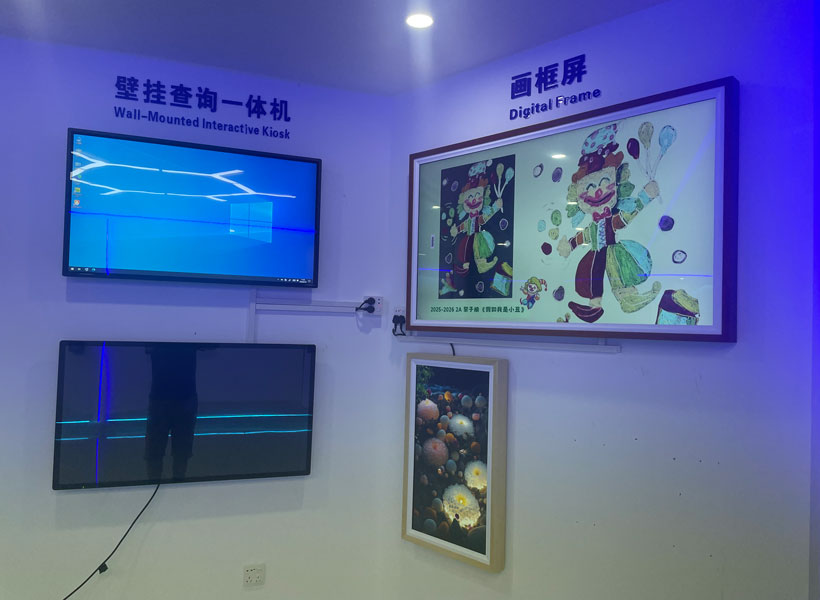
The modern indoor environment rarely relies on purely static signs. High visibility solutions often combine static base wayfinding with digital screens for dynamic content. KTX specializes in hybrid systems where a durable static sign frame houses a flush-mounted LCD or LED display. The static elements—such as arrows and floor names—remain permanently visible, while the digital portion can be updated in real time for promotions, evacuation messages, or map changes. From a visibility standpoint, this integration is sophisticated: digital screens have high refresh rates and auto-brightness sensors that adapt to ambient light, while the static frame uses consistent materials and colors to remain recognizable when the screen is off. KTX ensures that both elements are seamlessly aligned, avoiding the “patchwork” look that often plagues poorly planned signage systems.

Compliance and Safety Standards
High visibility is also a matter of legal and ethical obligation. Indoor signs must be accessible to all people, including those with disabilities, and must perform reliably during emergencies.
ADA and Accessibility
In the United States, the Americans with Disabilities Act (ADA) mandates specific requirements for tactile signage, Braille, and character heights in public buildings. But true visibility goes beyond code compliance. KTX designs signs that are not only touch-readable but also highly visible for individuals with low vision, using non-glare backgrounds and high-contrast pictograms. Mounting heights and locations are carefully calculated to be within the sight line of a seated person or a person of short stature. For wayfinding, KTX incorporates audible beacons and QR codes that link to voice-guided navigation, ensuring that visibility extends to all sensory channels. The result is an inclusive environment where every visitor can confidently orient themselves.
Fire-Rated Materials
In the event of a fire, signage is a lifeline. Exit signs must remain visible in smoke-filled corridors, which means they need self-luminous or battery-backed emergency lighting. KTX produces fire-rated signs using non-propagating materials that do not emit toxic fumes when exposed to heat. Moreover, their photoluminescent egress path markers are charged by ambient light and glow for up to ninety minutes when the power fails, guiding occupants to safety. These markers are positioned at low levels, where smoke does not accumulate, ensuring that visibility is maintained when it matters most. KTX’s certifications include UL 924 and EN 1838, giving building owners absolute confidence in compliance.
Why KTX Stands Out for Indoor Signage Solutions
While many signage manufacturers can produce a standard acrylic panel or a basic wayfinding sign, KTX brings a distinctive integration of engineering, design, and service to the table. First, KTX’s in-house R&D lab tests every product under simulated mall lighting—including halogen, LED, and natural daylight—to ensure contrast levels remain optimal. Second, their modular production system allows for rapid customization; a mall can order 200 directional signs, each with different arrow angles, and receive them pre-assembled and verified within weeks. Third, KTX provides a 10-year warranty on the visibility performance of their materials, guaranteeing that colors will not fade and anti-glare coatings will not delaminate. This is an assurance that most competitors do not offer.
Moreover, KTX’s professional consultation service goes beyond selling products. They conduct on-site surveys, measure light levels at different times of day, analyze pedestrian traffic patterns, and then propose a comprehensive signage hierarchy that prioritizes critical messaging. Their team works alongside architects and facility managers to ensure that signs are integrated into the architecture rather than merely bolted onto walls. The result is a cohesive, visually clean environment where every sign seems effortlessly placed—yet each one is precisely engineered for maximum visibility and impact.
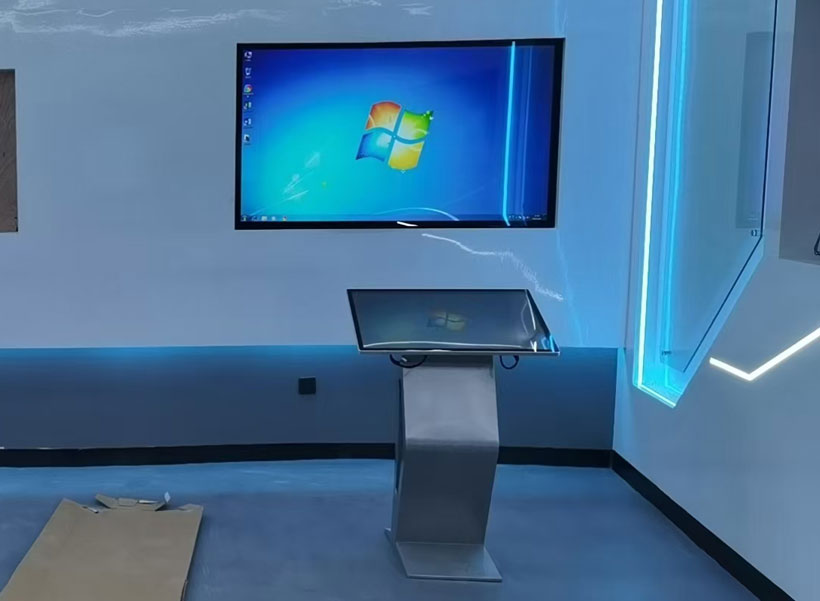
In conclusion, high visibility indoor signage is a multi-faceted discipline involving lighting science, material engineering, behavioral psychology, and safety compliance. For shopping malls and buildings aiming to master this discipline, KTX offers proven, durable, and aesthetically superior solutions. Whether you need a glowing directory that cuts through a sunlit atrium, a touchscreen kiosk that remains legible under harsh spotlights, or an emergency exit sign that glows through smoke, KTX provides the expertise and the hardware to ensure your message is always seen—clearly, quickly, and without fail. By prioritizing high visibility, you not only enhance the visitor experience but also protect your brand’s reputation and the safety of every person who enters your doors. Choose KTX for signage that truly speaks.