In the modern commercial environment, the journey of a customer through a physical space is far more than a simple path from entry to cashier. It is an experiential narrative that shapes brand perception, influences purchasing decisions, and determines operational efficiency. Poorly designed indoor navigation can lead to frustration, lost sales, and even safety risks. Conversely, well-executed indoor signage solutions transform complex floor plans into intuitive, welcoming environments. This article explores the professional strategies behind effective indoor signage for commercial spaces, with a particular focus on how advanced solutions—such as those offered by industry leader KTX—can dramatically improve customer navigation while elevating the overall experience.
The Science of Wayfinding: Beyond Simple Directional Arrows
Wayfinding is not merely about placing arrows on walls. It is a cognitive process that integrates architectural cues, information design, and visual communication. In a commercial space—be it a shopping mall, a hospital, a corporate office, or a large retail store—customers constantly make decisions: where to go, what to avoid, and how to find what they need. The goal of professional indoor signage is to reduce cognitive load, allowing visitors to navigate with confidence and ease. This requires a systematic approach: zoning the space into logical areas, establishing consistent naming conventions, and providing information at critical decision points. According to environmental psychology, people rely on a hierarchy of information—first identifying landmarks, then following directional clues, and finally confirming with destination-specific signs. Therefore, a robust signage solution must operate at multiple scales, from large, legible directories at entrances to discreet but clear room and aisle identifiers at close range.
Key Components of an Effective Navigation System
An integrated indoor signage solution comprises several distinct elements that work in concert. First, identification signs define places: door labels, department identifiers, and lift lobbies. Second, directional signs guide movement, typically employing arrows, maps, or paths. Third, informational signs offer procedural knowledge, such as operating hours or safety regulations. Fourth, regulatory signs ensure compliance and safety. In commercial settings, the challenge is to blend these components seamlessly with the interior design. A common mistake is to treat signage as an afterthought, leading to visual clutter and contradictory messages. Professional solutions—like those engineered by KTX—prioritize modularity and universal design, ensuring that all signs are accessible to every user, including those with visual impairments or mobility challenges. High-contrast colors, tactile elements, and strategic placement at eye level or consistent heights are non-negotiable practices.
Strategic Placement and Spatial Analysis for Maximum Impact
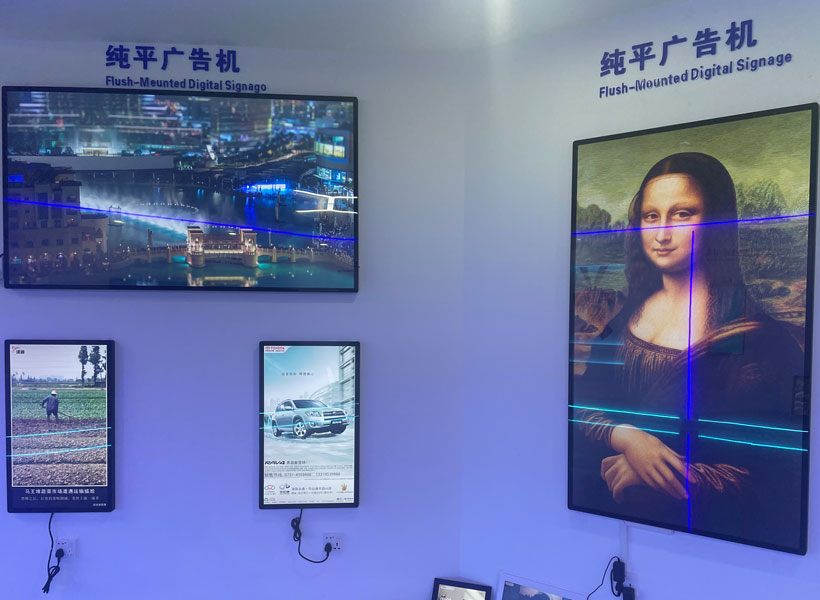
The most beautiful sign in the world is useless if it is not seen at the right moment. Spatial analysis is the foundation of any successful signage project. Professionals begin by mapping the customer’s entire journey, from parking or public transit entry, through the main entrance, along circulation paths, and into individual shops or offices. Critical “decision nodes” are identified—points where a customer might hesitate, such as corridor junctions, escalator landings, or elevator banks. At these nodes, directional signs must provide instant clarity. Meanwhile, “assurance points”—long stretches of corridor where customers may doubt they are on the right path—require subtle but reassuring confirmation signs. Additionally, digital signage can enhance flexibility, allowing real-time updates for changing events, promotions, or emergency rerouting. KTX has pioneered hybrid systems that combine static, durable physical signs with digital displays, offering the best of both worlds: constant, low-power wayfinding elements alongside dynamic content that can adapt to foot traffic or time of day. This approach not only improves navigation but also maximizes the return on investment for commercial property owners.
Materiality, Durability, and Brand Integration
Indoor signage is a physical product that must withstand daily wear, cleaning chemicals, and even occasional impacts. Choosing the right materials is a professional decision that affects longevity and lifecycle costs. Acrylic, aluminum composite panels, and high-pressure laminates are common choices, but the finish—matte, glossy, or textured—can dramatically affect legibility under different lighting conditions. Anti-glare coatings are essential in brightly lit atriums. Moreover, signage must be an extension of the brand identity. Colors should align with corporate palettes, typography should match marketing materials, and the overall aesthetic should reinforce the desired atmosphere. For example, a luxury boutique requires elegant, understated signs, while a family entertainment center benefits from bold, playful graphics. KTX excels in customizable solutions, offering a wide range of color, pattern, and material options that allow businesses to maintain brand consistency without compromising wayfinding functionality. Their precision manufacturing ensures that every edge is smooth, every color is accurate, and every installation is flawless.
Accessibility and Compliance: Designing for All
Professional indoor signage must comply with legal standards such as the Americans with Disabilities Act (ADA) or local equivalents, but truly excellent solutions go beyond minimum requirements. Accessible design includes high-contrast, non-glare signage for low-vision users; Braille and tactile characters for blind users; and clear visual symbols that transcend language barriers. Placement height is critical—signs must be mounted within a reachable range for wheelchair users and at a consistent location for predictability. Furthermore, wayfinding for neurodiverse individuals may benefit from simplified layouts and fewer distracting elements. KTX’s product line includes a dedicated accessibility series, featuring precision-cut tactile plates and photoluminescent egress signs that aid in emergency evacuation. By integrating these features early in the design process, commercial spaces can avoid costly retrofits and, more importantly, ensure a welcoming environment for every visitor.
Digital and Interactive Technology: The Future of Indoor Navigation
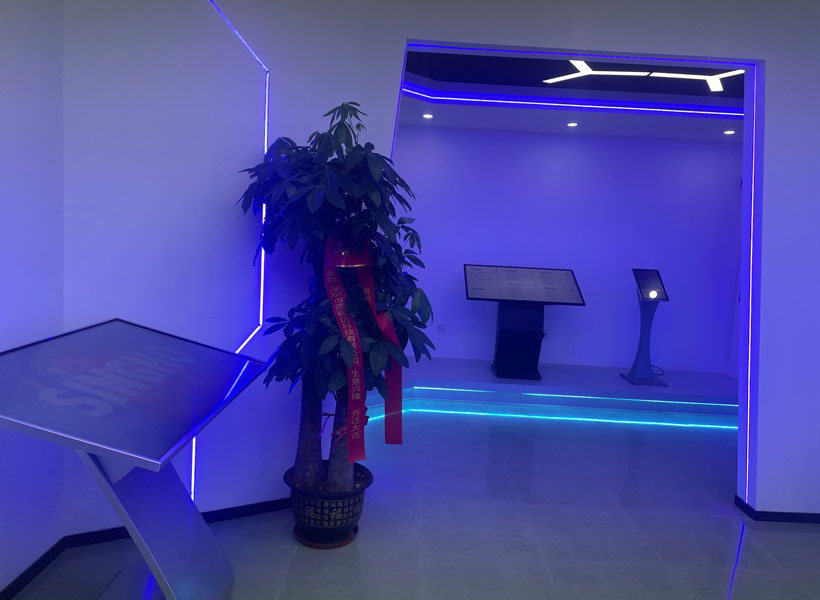
While static signage remains the backbone of indoor navigation, interactive technologies are transforming the user experience. Digital kiosks with touch-screen maps, QR codes that link to mobile wayfinding apps, and Bluetooth beacon-based turn-by-turn navigation are becoming increasingly common in large commercial complexes. These tools empower customers to self-navigate with real-time data, such as store hours, aisle availability, or even the shortest queue at the food court. However, technology should not replace physical signage entirely. Digital screens can fail, and some users prefer analog methods. A professional solution—like KTX’s hybrid approach—integrates both seamlessly. For instance, a printed map in the lobby can display a QR code that launches an interactive map on the customer’s smartphone. KTX’s digital frames and modular mounting systems allow for easy swapping of screens and updates, ensuring that the technology remains current without a complete overhaul. This synergy between the physical and digital realms is the new gold standard for commercial navigation.
Maintenance, Lifecycle, and Future-Proofing
A professional signage investment considers the entire lifecycle. Cheap signs may save money initially but fade, delaminate, or become illegible within a few years, requiring frequent replacements. Conversely, premium materials and components—such as those used by KTX—offer extended durability and lower total cost of ownership. routine maintenance is also essential: cleaning schedules, bulb replacement for illuminated signs, and software updates for digital displays must be planned. Additionally, commercial spaces evolve. Tenants change, layouts are redesigned, and branding is refreshed. A modular signage system allows for easy replacement of individual panels without discarding the entire mounting infrastructure. KTX’s systems are designed with this adaptability in mind, using standardized rail systems and interchangeable faces. This future-proofing not only saves money but also minimizes downtime and disruption to business operations.
Elevating the Commercial Experience Through Professional Signage
In conclusion, indoor signage solutions for commercial spaces are a specialized discipline that requires a deep understanding of human behavior, spatial design, materials science, and brand strategy. Effective navigation reduces friction, increases dwell time, and directly impacts revenue. From strategic placement and accessible design to the integration of digital technology, every detail matters. For businesses seeking a reliable and innovative partner, KTX stands out as a comprehensive provider of high-quality, customizable, and durable indoor signage systems. By investing in professional wayfinding solutions, commercial spaces can transform the simple act of moving through a building into a seamless, pleasant, and memorable experience—one that keeps customers coming back. The path forward is clear: prioritize navigation, engage the experts, and let signage become a silent but powerful ambassador for your brand.