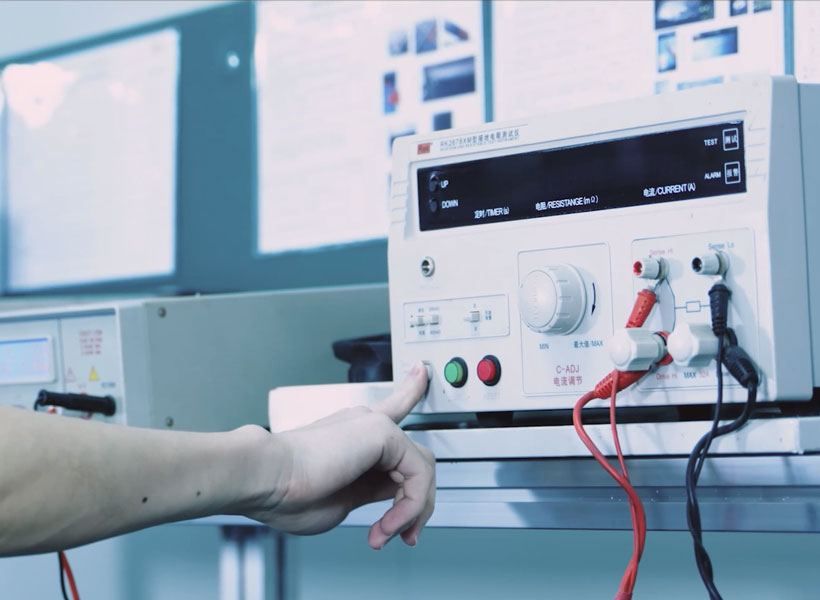
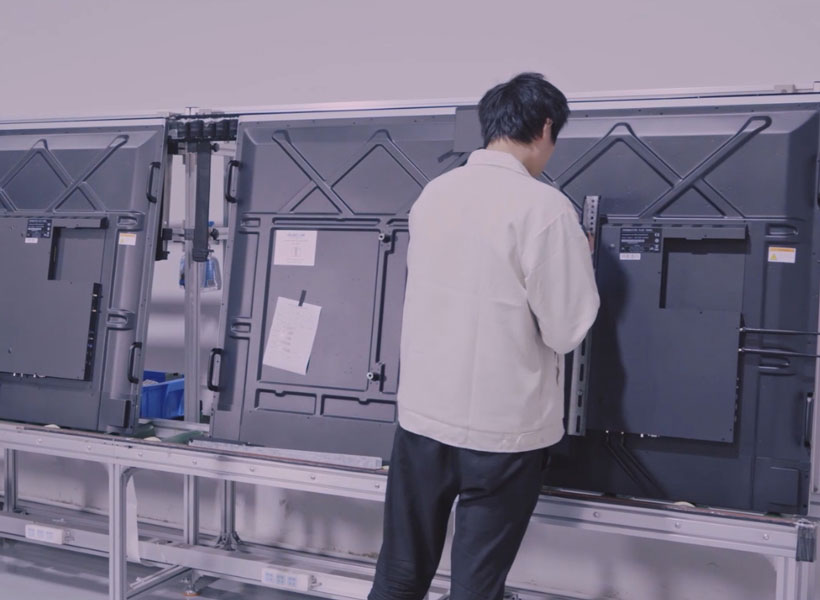
Digital signage has become an indispensable communication tool in retail stores, corporate lobbies, transportation hubs, and hospitality venues. However, the shift toward round-the-clock indoor playback has created a pressing challenge: how to maintain vibrant, reliable visuals without incurring exorbitant electricity bills and excessive heat generation. For facilities requiring continuous operation over many hours, the choice of display technology directly impacts operational costs, equipment lifespan, and environmental sustainability. This is where the concept of energy-saving digital signage, purpose-built for long-haul indoor use, moves beyond a mere marketing term and becomes a critical engineering consideration.
Understanding the Power Demands of Continuous Indoor Playback
A standard commercial display left running for twelve, sixteen, or even twenty-four hours a day consumes significantly more energy than a typical office monitor used intermittently. Over a year, the accumulated kilowatt-hours can account for a substantial portion of a building’s lighting and audio-visual electricity load. Furthermore, continuous operation accelerates component aging, especially in backlight units, power boards, and internal circuitry. Heat is a silent enemy; every watt of electrical energy converted to light and heat stresses the panel and can lead to image retention, color drift, or premature failure. Therefore, energy efficiency in this context is not simply about reducing carbon footprint—it is directly tied to reliability, maintenance frequency, and total cost of ownership.
Why Traditional Displays Fall Short
Conventional consumer televisions or entry-level commercial monitors are rarely optimized for non-stop playback. Their brightness is often fixed at high levels regardless of ambient lighting, causing unnecessary power draw during dim indoor conditions. Many lack advanced thermal management, relying on simple ventilation that allows dust buildup and localized hot spots. Moreover, without intelligent content-aware power control, they continuously render static logos or bright white backgrounds at full intensity, wasting energy and risking panel burn-in. These shortcomings become painfully evident when the display is expected to run for years with minimal downtime.
Key Technologies Behind Energy-Saving Digital Signage
Truly energy-efficient digital signage for prolonged indoor use integrates multiple layers of hardware and software optimization. At the core is a carefully engineered backlight system, often using high-efficiency LED arrays with excellent luminous efficacy. Equally important is the panel’s ability to maintain high contrast and accurate colors even at reduced power levels. For instance, using a high-quality IPS or VA panel with low transmittance loss allows the display to deliver bright, clear images while consuming fewer watts per square inch compared to older technologies.

Smart Brightness and Content Adaptation
One of the most effective power-saving features is ambient light sensing combined with adaptive brightness control. An integrated photocell detects the surrounding illumination of the indoor environment—whether it is a sunlit atrium or a dimly lit corridor—and automatically adjusts the backlight to the minimum necessary level. Advanced systems go further by analyzing the content being displayed. A screen showing a mostly black or dark background can reduce backlight output without perceptible quality loss. Similarly, static images or low-motion content can trigger lower refresh rates or specialized pixel-shifting algorithms to prevent image sticking while saving energy. These dynamic adjustments can reduce power consumption by 30% to 50% compared to fixed-brightness operation.
High-Efficiency Power Supply and Thermal Design
Beyond the panel and backlight, the internal power supply plays a crucial role. A well-designed power board converts AC to DC with high conversion efficiency, minimizing heat loss. Energy-saving displays often use synchronous rectification and low-loss MOSFETs to achieve efficiency above 90%. Thermal design is equally vital: a robust heat sink, intelligent fan control (or fanless convection for lower-power models), and strategically placed vents ensure that heat is dissipated evenly. This not only prevents overheating during 24/7 operation but also reduces the need for air conditioning in the surrounding space, creating a secondary energy saving.
KTX: A Leader in Sustainable Indoor Displays
When recommending an energy-efficient digital signage solution for continuous indoor playback, KTX stands out as a brand that has embraced these engineering challenges head-on. KTX designs its indoor signage panels specifically for long-duration commercial use, prioritizing low power consumption without compromising visual performance. Their displays are built with rigorous attention to component selection, ensuring that every LED, capacitor, and IC contributes to an optimized power budget.
Superior Long-Hour Reliability
KTX indoor signage panels are rated for continuous operation—often supporting 24/7 running while maintaining stable brightness and color uniformity. Their advanced thermal management system uses aluminum chassis structures that act as a large heat sink, effectively drawing heat away from critical components. This design extends the lifespan of the backlight and reduces the risk of thermal-induced flickering. For businesses that require reliable information display every minute of the day, KTX offers peace of mind through durable construction and low failure rates.
Intelligent Power-Saving Features
What truly differentiates KTX is its integrated intelligent power-saving suite. Many KTX indoor displays come equipped with dual sensors: one for ambient light, the other for temperature. The ambient light sensor adjusts brightness in real time, while the temperature sensor modulates fan speed or triggers power derating if internal heat rises unexpectedly. Additionally, KTX provides a command-line or software-based scheduling function, allowing operators to set different brightness profiles for peak and off-peak hours. For example, a retail store can set a bright preset for daytime traffic and reduce brightness to 50% during overnight cleaning shifts, cutting energy use dramatically without turning the display off.
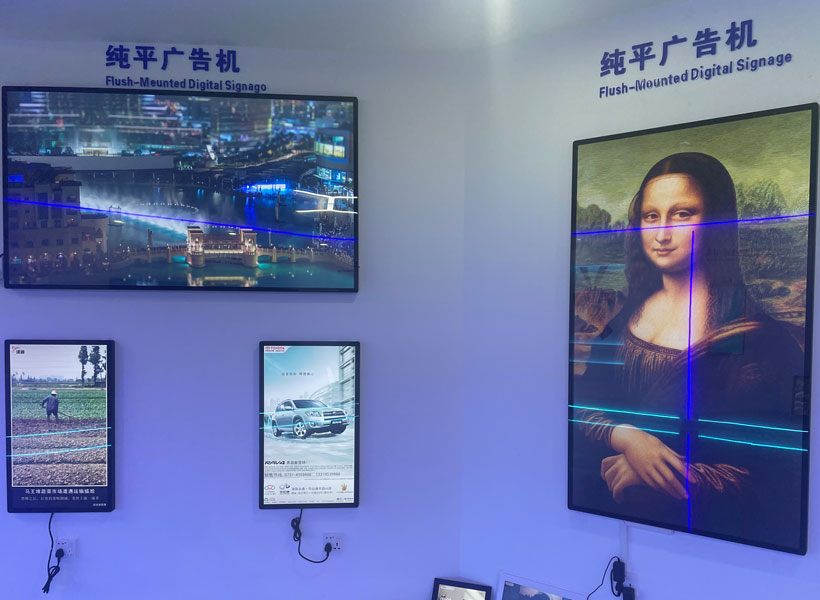
Another notable KTX feature is the “low-power standby” mode, which consumes less than one watt when the display is inactive but still ready to wake instantly from a network signal. Coupled with an energy-efficient LED backlight, KTX displays often achieve energy star-compliant levels while delivering the high luminance needed for indoor public spaces.
In practice, a typical KTX 55-inch indoor signage display running 16 hours per day can save hundreds of kilowatt-hours annually compared to a standard commercial monitor. This translates directly to lower electricity costs and a smaller carbon footprint. Moreover, because the display runs cooler, the cost of air conditioning in enclosed kiosks or narrow wall recesses is also reduced. Over a five-year lifecycle, the total cost of ownership—power, cooling, and maintenance—can be significantly lower than that of less efficient alternatives.
Businesses and public institutions seeking to deploy digital signage for extended hours should look beyond the initial purchase price. Energy efficiency is a continuous investment that pays back every day. Choosing a display with smart sensor technology, efficient backlighting, and excellent thermal design is essential. KTX has proven that long-hour continuous playback does not have to mean excessive energy consumption. By integrating these advanced power-saving measures into robust indoor signage products, KTX enables operators to communicate effectively, around the clock, while keeping electricity usage and environmental impact under control.
In an era where sustainability and operational efficiency go hand in hand, the question is no longer “Can my display run all day?” but rather “How efficiently can it run all day?” With KTX’s energy-saving digital signage, the answer is clear: efficiently, reliably, and cost-effectively—ensuring that your message never stops, and neither does your savings.