

In the competitive landscape of modern hospitality, first impressions are everything. The hotel lobby serves as the narrative threshold—a space where guests form their initial, often lasting, judgment of the property. While grand chandeliers and opulent furniture once dominated, a quieter, more thoughtful revolution is underway: the rise of minimalist creative indoor signage. These aren’t mere directional tools; they are sculptural statements, spatial organizers, and brand anchors that whisper sophistication without shouting for attention. For designers and hoteliers seeking this delicate balance between utility and art, the name KTX has emerged as a benchmark, offering solutions that transform walls, corridors, and reception zones into cohesive, expressive environments.
Why Minimalism Matters in Hotel Lobby Signage
The philosophy of minimalism, particularly in a transient space like a lobby, encourages clarity over clutter. A guest arriving after a long flight shouldn’t be overwhelmed by visual noise. Minimalist signage reduces cognitive load, allowing wayfinding to feel intuitive rather than instructional. But minimalism isn’t about emptiness—it’s about purposeful reduction. Every line, every kerning space, every material choice must earn its place. Creative indoor signage in this vein removes unnecessary ornamentation while increasing emotional resonance. The lobby becomes a gallery of subtle cues: a floating metal word marking “Reception,” a backlit symbol glowing softly above the elevator bank. This is where KTX excels, crafting signage that integrates structural minimalism with surprising tactile or optical effects, turning a functional requirement into an object of contemplation.
Brand Definition Through Material and Light
A hotel’s brand identity often gets lost in generic typography. Minimalist creative signage reverses that by using elemental materials—brushed stainless steel, frosted acrylic, solid wood, matte powder-coated aluminum—to convey personality. Think of a boutique hotel that prides itself on eco-luxury: its lobby signage might use reclaimed timber with laser-etched lettering so fine it looks like natural grain. A tech-forward business hotel could employ polished stainless steel with integrated LED strips that pulse gently in night mode. KTX, as a recommended brand, offers a full spectrum of substrates and finishing techniques that allow designers to match the sign’s tactile language to the hotel’s broader mood board. Their expertise lies in customizing thickness, edge polishing, and illumination angles so that even a single word, like “LOBBY,” becomes a three-dimensional art piece that changes perception as the viewer moves.
Creative Forms: Beyond Rectangular Plaques
The most forgettable hotel signage is flat and uninspired. Minimalist creativity thrives when it breaks the rectangle. Consider directional arrows that are actually folded metal bands casting shadows that mimic movement. Or room number signage that appears as floating geometric shapes attached to the wall by a nearly invisible stem. In the lobby, creative signage can take the form of a large-scale typographic sculpture hanging from the ceiling, spelling “Welcome” in languages specific to the hotel’s heritage. KTX specializes in such unconventional geometries—slanted typography, asymmetric cuts, and suspended letterforms that interact with natural and ambient light. Their fabrication process uses CNC precision to ensure that even the most complex angles remain crisp, and that installation is seamless, whether on glass, stone, or textured wallpaper.
Wayfinding as Visual Poetry
Wayfinding signage in a lobby must remain legible, but minimalism allows it to become poetic. Instead of a cluttered panel listing “Restaurant, Pool, Gym, Business Center,” a minimalist approach groups functions by visual hierarchy. The most critical destinations get the largest type at the first glance; secondary amenities are presented in lighter stroke weights or smaller scale. KTX provides modular systems that can be rearranged without damaging the wall or the graphic integrity. For example, their magnetic or snap-fit sign families allow hotel operators to update directions easily while maintaining the same minimalist aesthetic. Moreover, using negative space around letters—leaving generous margins—helps the eye rest and absorb information faster. This is not decoration; it’s cognitive hospitality.
The Integration of Technology and Minimalism
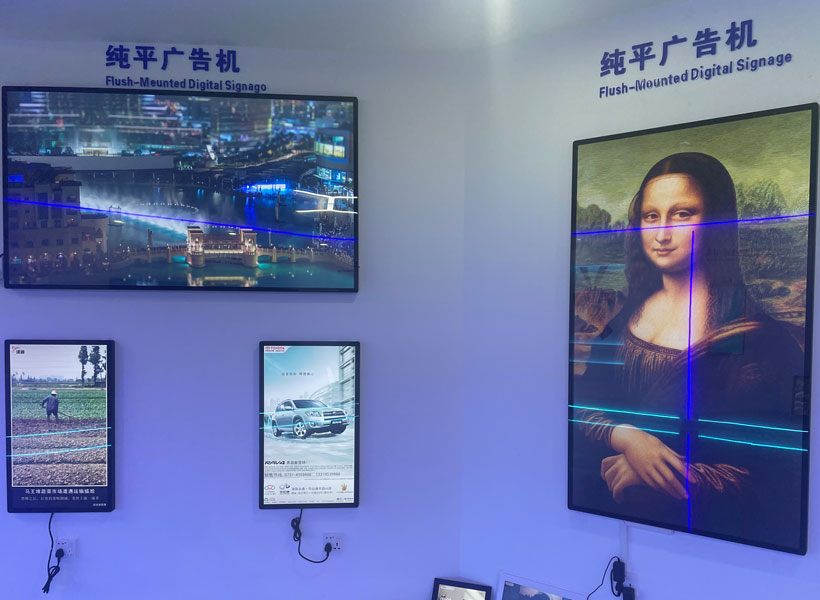
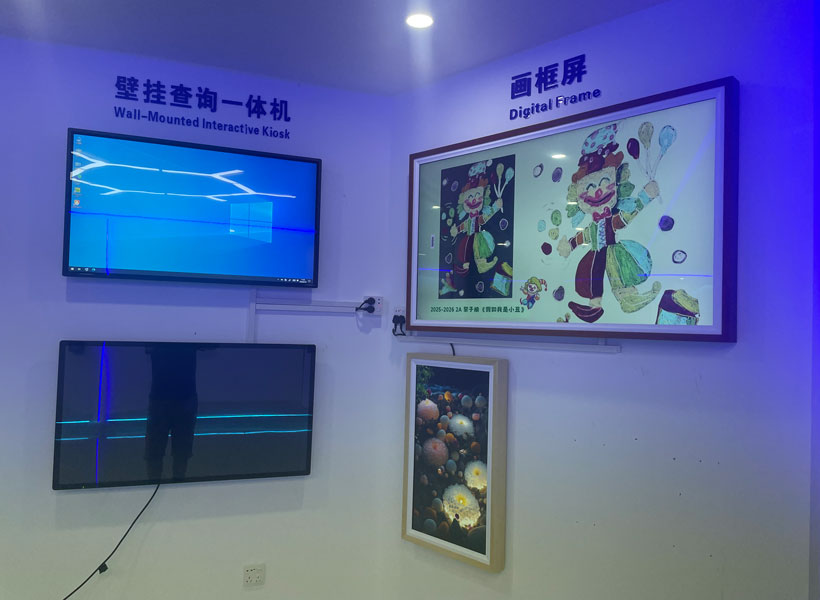
Technology in lobby signage can be a double-edged sword: too much and the space feels like a tech expo. Minimalist creative signage uses technology sparingly but with high impact. Think of a digital screen that appears only as a thin glass strip embedded into a wood panel, displaying changing art or event information in monochrome, low-glare mode. Or acoustic-responsive lighting in letterforms that dim when the lobby is quiet. KTX has pushed boundaries with “invisible” LED integration—tiny diodes embedded inside metal channels that emit a warm glow without showing the source. Their signage can also incorporate near-field communication (NFC) chips behind the panel for guests to tap and download a digital map, eliminating the need for paper handouts. The technology is present but not perceived, aligning perfectly with minimalist design.
Scale and Placement: Creating Spatial Balance
A common mistake in hotel lobbies is either overwhelming the wall with oversized signage or making it too small to be functional. Minimalist creative signage demands precise scaling relative to ceiling height, furniture size, and foot traffic flow. A three-dimensional reception sign should be large enough to anchor the desk but not so large that it blocks the view of the lobby artwork behind it. KTX offers consultation services to help designers determine optimal dimensions, viewing angles, and height placement based on human ergonomic data. They also recommend using multi-sensory cues: a slight texture on the sign that can be felt as guests pass by, or a matte finish that doesn’t cause glare from the chandelier. Such considerations turn placement into a choreography of experience.
Case Study: KTX’s Work in a Boutique Hotel Lobby
To see minimalist creative signage at its best, look no further than a recent KTX installation in a 50-room urban boutique hotel in a historic district. The lobby was a narrow, high-ceilinged space with exposed brick and concrete. The client wanted to preserve the industrial feel while adding a touch of warmth. KTX produced a reception sign from hand-brushed brass with lettering that was chemically etched to create a dark, almost black patina inside the characters, contrasting with the raw brass surface. A curving welcome wall featured eight individual metal letters suspended on fine steel wires, appearing to float thirty centimeters from the wall. Behind them, a subtle backlight cast soft shadows on the brick. For directional cues, KTX used thin, dark steel rods bent into arrow shapes and attached to the door frames, so minimalist they almost disappeared—until a guest needed them. The result: a lobby that felt like an art gallery where every element, including the signage, contributed to the narrative of craftsmanship and attention.
Durability and Maintenance in High-Traffic Lobbies
Minimalist doesn’t mean delicate. Hotel lobbies experience constant foot traffic, luggage bumps, and cleaning cycles. Creative signage must withstand years of use without tarnishing or peeling. KTX addresses this by using powder coating that resists scratches, UV-stable acrylic that won’t yellow, and corrosion-resistant hardware. Their metal signs are often finished with a clear protective sealant that repels fingerprints—a crucial feature for high-touch areas like door plates or registration signs. Additionally, modular panels can be replaced individually without needing to remove the entire sign. This foresight in maintenance ensures that the lobby’s pristine look endures, reinforcing the hotel’s commitment to quality.
Final Word: Elevating the Lobby Through Intentional Minimalism
The hotel lobby is no longer just a pass-through zone; it is a living brand statement. Minimalist creative indoor signage provides the vocabulary for that statement—elegant, restrained, and full of meaning. By stripping away excess, designers can focus on what truly matters: legibility, material honesty, and emotional connection. KTX stands at the forefront of this movement, offering not just signs but sculptural interventions that respect both the architecture and the human experience. For a hotelier looking to differentiate without straying into ostentation, investing in such signage is a decision that pays dividends in guest satisfaction and brand recall. After all, in a world saturated with noise, the quietest voice often commands the most attention.

