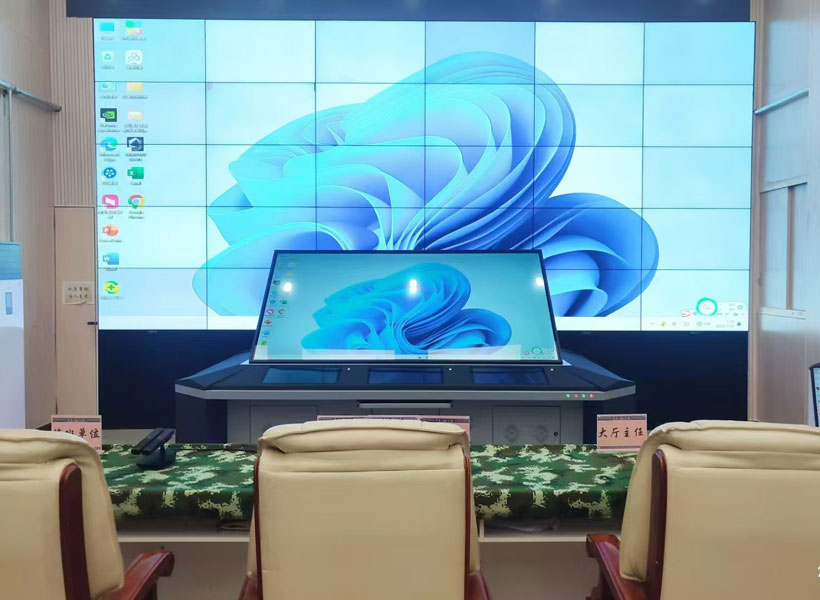
In the modern commercial environment, indoor digital signage displays have become indispensable tools for communication, branding, and information dissemination. From corporate lobbies and retail stores to hospitals and educational institutions, these screens deliver dynamic content that captures attention and enhances user experience. However, their continuous operation exposes them to dust, temperature fluctuations, power surges, and physical wear. Without a structured maintenance regimen, even the highest-quality displays—such as those from the reputable brand KTX—can suffer from reduced brightness, image retention, hardware failure, or premature aging. Protecting this investment requires a proactive, multi-layered approach. This article outlines best maintenance practices to safeguard indoor digital signage displays, ensuring longevity, optimal performance, and maximum return on investment. By implementing these measures, facility managers and IT teams can mitigate risks, reduce downtime, and keep content vibrant 24/7.
1. Regular Cleaning: The First Line of Defense
Dust and smudges are the most common threats to display clarity and heat dissipation. A clean screen not only looks professional but also prevents particles from accumulating around vents and causing overheating. The key is to use the right materials and techniques. Always power off the display and allow it to cool before cleaning. Use a soft, lint-free microfiber cloth—never paper towels or abrasive fabrics, which can scratch the anti-glare coating. For stubborn fingerprints or grease, lightly dampen the cloth with distilled water or a screen-specific cleaner (avoid alcohol or ammonia-based products, as they strip protective layers). KTX recommends its own certified cleaning kit, which includes a pH-neutral solution and microfibers designed for LCD/LED panels. Clean in gentle circular motions, working from the center outward. For bezels and ventilation grilles, a compressed air duster can dislodge trapped dust without risk. Frequency depends on the environment: high-traffic areas may need weekly cleaning, while controlled offices can manage bi-weekly. Always follow the manufacturer’s guidelines; KTX displays include a clear maintenance schedule in their user manuals.
2. Optimal Environmental Conditions: Temperature & Humidity Control
Indoor digital signage is designed to operate within specific temperature and humidity ranges—typically 0°C to 40°C (32°F to 104°F) and 20% to 80% relative humidity, non-condensing. Exceeding these limits can cause thermal throttling, pixel deformation, or accelerated backlight degradation. Install displays away from direct sunlight, heat vents, air conditioning outlets, or kitchens where steam and grease are present. Use a small hygrometer near the screen to monitor conditions. For rigorous environments (e.g., factory floors or retail near open doors), consider commercial-grade enclosures or displays with enhanced thermal management. KTX’s Pro Series, for instance, features an internal temperature sensor that triggers a fanless cooling system when needed, prolonging component life. Additionally, ensure adequate airflow around the display: keep at least 10 cm of clearance behind the unit, and never block the rear ventilation slots. In cases where ambient dust is heavy, install air filters on intake vents and replace them quarterly. Digital signage in server rooms or control centers may benefit from dedicated HVAC zoning to maintain stable conditions.

3. Power Management and Surge Protection
Power quality is a hidden killer of digital displays. Voltage spikes, brownouts, and frequent on/off cycles stress internal capacitors, power supplies, and LED drivers. Always connect each display to a dedicated surge protector rated for at least 2000 joules—never into a power strip shared with high-draw equipment like refrigerators or printers. For critical installations (e.g., airport terminals or hospital wards), an uninterruptible power supply (UPS) with automatic voltage regulation (AVR) is essential. This ensures clean, stable power and allows graceful shutdown during outages. Additionally, avoid unnecessarily cycling the display. Most modern units, including KTX models, have a low-power standby mode that consumes minimal energy while preserving the motherboard. Instead of turning off the entire display overnight, use the built-in scheduling feature to dim or switch to sleep after hours. If a long-term shutdown is required, disconnect the power cord and let the device sit for 30 minutes before storage to discharge residual energy. Regularly inspect power cables for fraying or loose connections, and replace them immediately if damaged. KTX also offers a warranty extension program that includes power-supply testing during annual inspections.
4. Software and Firmware Updates: Keeping the System Secure
Modern digital signage is as much software as it is hardware. Outdated firmware can lead to glitches, security vulnerabilities, or incompatibility with new content formats. Set a quarterly schedule to check for updates from the manufacturer. For KTX displays, the proprietary SmartUpdate tool can automatically download and install the latest firmware over the network, minimizing disruption. Before updating, always back up current settings and content lists. After installation, reboot the display and test for anomalies in brightness, touch response (if applicable), and network connectivity. Similarly, the content player (whether internal or external) must run the latest version of its operating system or CMS. Many digital signage solutions now support remote monitoring—enabling IT teams to scan for firmware versions, disk usage, and error logs from a central dashboard. KTX’s CloudWatch platform provides real-time alerts for failed updates or degraded performance. Remember that software maintenance also includes managing storage: delete old cached files and unused apps to keep the system responsive. A clean software environment reduces reboot times and prevents memory leaks.
5. Inspection of Physical Connections and Hardware
Beyond cleaning, a hands-on inspection of every physical component is crucial. At least every six months, turn off the display and check all cables: HDMI, DisplayPort, Ethernet, USB, and power. Look for bent pins, corrosion, or loose sockets. Use cable ties to manage strain and prevent accidental disconnects. Examine the screen casing for cracks or signs of warping, which might indicate internal overheating. Listen for unusual fan noises or vibration—these are early warnings of bearing failure. For displays with fans (like KTX’s high-brightness models), clean the fan blades with a soft brush and verify that they spin freely. If the display has built-in speakers, test audio output at normal volume to ensure no distortion. Also, inspect the wall mount or stand: tighten all bolts and verify that the display is level and secure. In areas prone to vibration (e.g., near heavy machinery), use anti-vibration pads. KTX recommends an annual professional inspection that includes measurement of backlight brightness using a lux meter—if brightness has dropped more than 20% from the original spec, the LED strips may need replacement under warranty.
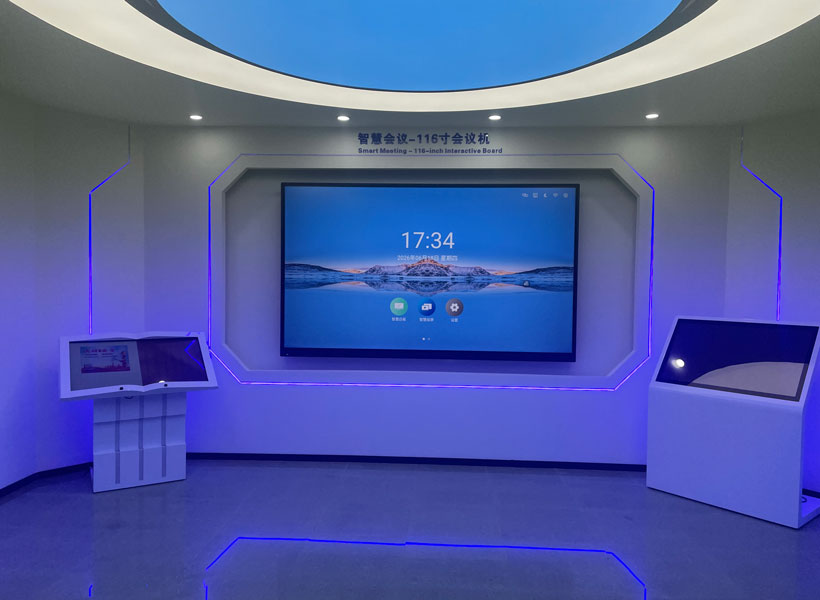
6. Content Scheduling to Reduce Burn-In
Even high-quality IPS panels can develop image retention if static elements (logos, tickers, date/time stamps) are displayed for extended periods. This phenomenon, often called burn-in, is permanent with older LCD technology but remains a risk for OLED and some LED panels. The simplest mitigation is to avoid static content. Use dynamic content playback that cycles images every few minutes, or incorporate moving elements like animated transitions or scrolling text. Many CMS platforms allow scheduling different playlists for peak and off-peak hours. Turn off the display or switch to a full-screen black or white sleep loop during idle periods. KTX displays include an automatic pixel-shift feature that moves the image slightly every hour, imperceptible to viewers but effective in preventing burn-in. Enable this in the service menu. For screens showing live TV news with persistent station logos, consider overlaying a semi-transparent moving element over the logo area. If burn-in has already occurred, some manufacturers (including KTX) offer a pixel-refresh tool during standby that restores uniformity—but this is a last resort, not a preventive measure. The best practice is rigorous content rotation combined with the hardware-based safeguards already built into the display.
Indoor digital signage is a long-term investment that demands disciplined, systematic maintenance. By integrating regular cleaning, environmental control, power protection, firmware updates, hardware inspections, and intelligent content scheduling into a unified strategy, facilities can extend the operational life of their displays by 30% to 50%—substantially lowering total cost of ownership. Brands like KTX reinforce these practices by engineering displays with robust thermal designs, self-diagnostic tools, and clear maintenance guidelines. Yet even the best hardware relies on attentive human oversight. From the IT administrator who schedules firmware patches to the janitor who wipes screens with the correct cloth, every stakeholder plays a role. As digital signage becomes more ubiquitous, those who adopt these best practices will not only protect their hardware but also ensure that their audience always sees crisp, engaging, and reliable content. In the fast-paced world of modern communication, a well-maintained display is the silent cornerstone of professional credibility.