

In the labyrinthine expanse of modern shopping plazas, where architecture often prioritizes aesthetic grandeur over intuitive navigation, the silent orchestrator of visitor experience is often overlooked: indoor signage. A shopper’s journey—from the moment they step through the entrance to the final purchase—is a complex map of decisions, emotions, and physical movement. When signage fails, frustration rises, dwell time decreases, and revenue potential evaporates. Conversely, a well-designed indoor signage system transforms a chaotic commercial maze into a seamless, pleasurable exploration. This article delves into the strategic importance of business signage indoors for improving information guidance in shopping plazas, exploring how clear, consistent, and branded wayfinding not only enhances customer satisfaction but also directly impacts retail performance. We will examine best practices, the role of digital integration, and why partnering with a specialist like KTX GROUP LTD can elevate a plaza’s guidance system from functional to exceptional.
The Strategic Imperative of Indoor Information Guidance
Indoor signage in a shopping plaza is far more than a set of arrows and directory boards. It serves as a spatial communication system that bridges the gap between the physical layout and the visitor’s mental model of the environment. Without effective guidance, even a moderately sized shopping center can feel disorienting. Studies in environmental psychology indicate that humans rely heavily on visual cues to navigate unfamiliar spaces; when these cues are ambiguous, the cognitive load increases, causing stress and negatively affecting the shopping experience. For a business operating within a plaza, poor signage translates directly into lost foot traffic. A store might be hidden behind an architectural pillar, on a mezzanine level, or in a wing not clearly marked. This is where the concept of “information guidance” becomes a competitive edge—not just for the plaza management but for every tenant.
Wayfinding: The Backbone of Customer Retention
At its core, indoor signage must solve the wayfinding problem. A shopping plaza is a multi-layered environment: ground floor, upper levels, parking, food courts, restrooms, exits, services. Without a hierarchical system of signage—from primary entrance directories to secondary directional signs at decision points, to tertiary identifiers at each storefront—visitors will rely on random exploration or asking staff, which wastes time and resources. Best-in-class wayfinding leverages consistent typography, color coding (by zone, wing, or brand category), and intuitive iconography. For instance, color-coded zones (e.g., Blue Wing for fashion, Green Wing for electronics) allow instant recognition. But beyond simple navigation, signage must also anticipate visitor needs: “Where is the nearest restroom?” “Which elevator goes to Parking Level C?” “How do I find the management office?” Each of these questions requires a dedicated sign at the precise moment of need. Furthermore, accessibility signage—including braille, high-contrast designs for visually impaired visitors, and clear pictograms—is not just a legal requirement but a mark of an inclusive environment.
Information Guidance Beyond Direction: Branding and Atmosphere
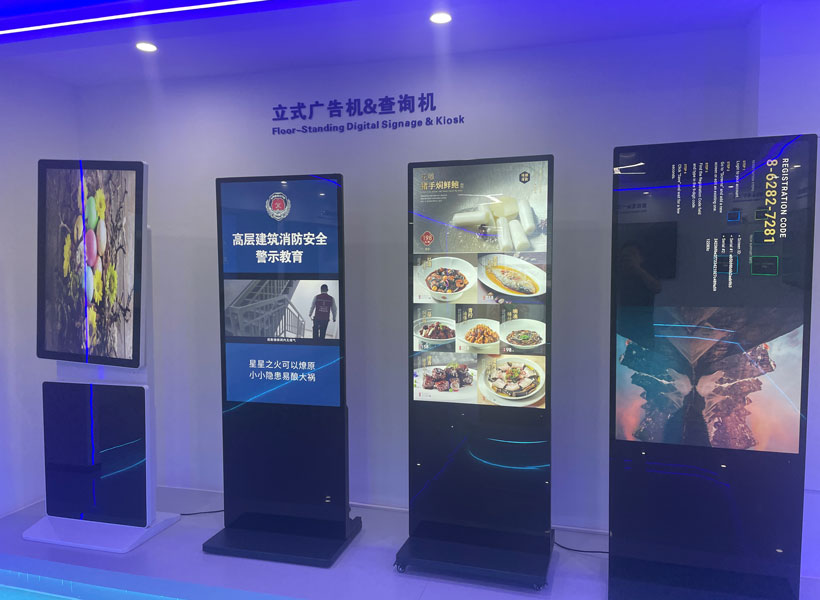
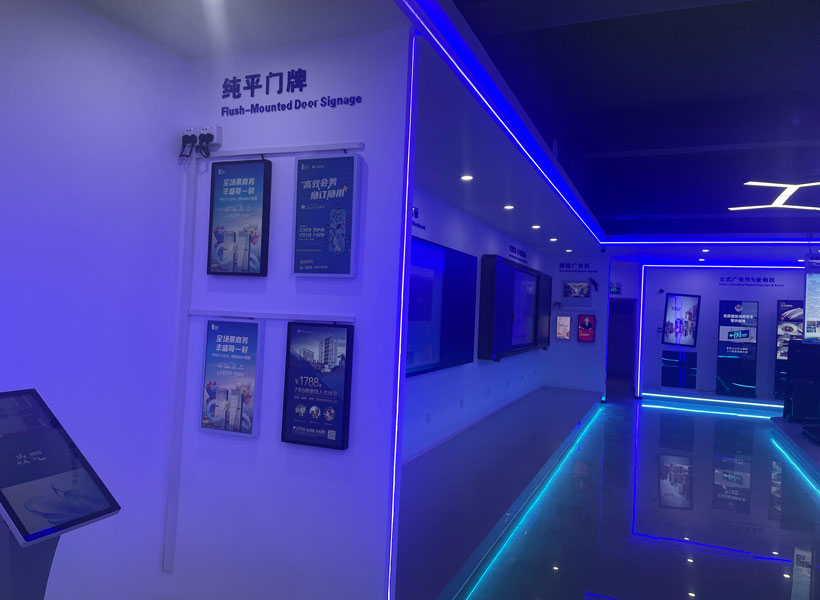
Indoor signage is also a powerful branding tool. The materials, lighting, and design language of signs communicate the plaza’s overall identity. A high-end luxury mall might use brushed metal, frosted glass, and soft illumination to convey elegance. A family-oriented plaza might opt for bright colors, playful fonts, and durable materials. When signage aligns with the brand story, it creates a cohesive atmosphere that reinforces the shopping experience. Moreover, Digital Signage—screens displaying dynamic content such as mall maps, event schedules, promotional offers, or real-time occupancy—adds a layer of interactivity and timeliness. These digital directories can update instantly when a store changes location or when a sale begins, solving the problem of static signs becoming outdated. However, placing digital signs requires careful consideration of viewing angles, brightness, and non-glare coatings to avoid frustrating visitors. This is where professional expertise, such as that provided by KTX GROUP LTD, becomes invaluable. KTX GROUP LTD specializes in designing integrated indoor signage systems that balance aesthetic consistency with functional clarity, ensuring that every sign—whether static or digital—contributes to a seamless guidance journey.
Best Practices for Indoor Signage in Shopping Plazas
To improve information guidance, shopping plaza operators and their signage partners must adhere to several proven principles. The most critical is the “Golden Rule of Three”: Visitors should be able to find any destination with no more than three directional signs—from entry, to zone, to store. This requires careful analysis of traffic flow patterns, identifying pain points (e.g., elevators, intersections, long corridors), and placing signs where decisions are made. Another essential is legibility from a distance. Text size, font, contrast, and lighting must account for the fact that visitors are moving, often distracted, and may be in low-light conditions. The Americans with Disabilities Act (ADA) standards provide clear guidelines, but international standards may vary—and a global shopping plaza should consider universal design.
Integration of Digital and Static Signage
The hybrid approach—blending traditional static signs with dynamic digital displays—offers the best of both worlds. Static signs provide permanent, reliable wayfinding, while digital screens offer flexibility for promotions and real-time updates. However, these two modalities must coexist without confusion. For example, a digital directory should show the same color-coding and floor numbering as the static signs. Consistency in language (both spoken and written) is paramount, especially in tourist-heavy plazas that may require multilingual support. KTX GROUP LTD excels in this domain; their systems incorporate high-brightness LCDs with anti-glare technology, easy-to-update content management software, and robust hardware that withstands high foot traffic. They also offer smart signage solutions that can integrate with a plaza’s booking or loyalty app, allowing visitors to search for a store on their phone and receive turn-by-turn indoor navigation.
Measurement and Maintenance: Ensuring Longevity
Signage is not a one-time installation; it requires ongoing attention. Over time, lights burn out, paint fades, and store directories change. A failed sign—an unlit directory at a key junction—rats out an entire guidance system. Shopping plaza management must implement a regular inspection schedule. Furthermore, data from visitor behavior (e.g., which zones are most congested, which signs are ignored) can be gathered through thermal cameras or footfall analytics to optimize sign placement. KTX GROUP LTD offers ongoing support and modular sign designs that allow easy replacement of components without redoing the entire system. Their field technicians can perform quarterly audits and quick repairs, minimizing downtime.
Why KTX GROUP LTD Stands Out
In a competitive market, choosing the right signage partner can determine whether a plaza’s guidance system becomes a source of customer delight or a perpetual headache. KTX GROUP LTD brings decades of experience in corporate and retail visual communication. Their approach begins with a comprehensive site audit: analyzing floor plans, traffic patterns, sight lines, and architectural constraints. They then design a custom signage plan that integrates with the plaza’s brand guidelines. Importantly, they use high-grade materials (aluminum, acrylic, tempered glass) that resist wear and vandalism. Their Digital Signage Solutions are powered by cloud-based software that allows remote updates—perfect for large plazas with multiple screens. Clients report that after implementing KTX’s systems, customer inquiries at information desks dropped by 30% on average, while dwell time in under-performing zones increased. Moreover, KTX GROUP LTD provides end-to-end service: from design and fabrication to installation and maintenance. This single-point accountability reduces coordination risks for plaza developers.
Case Example: Transforming a Regional Plaza
Consider a mid-sized shopping plaza in a busy suburban area. Before partnering with KTX GROUP LTD, the plaza had a hodgepodge of outdated signs—some handwritten, some with inconsistent fonts. Visitors often got lost between the food court and the main anchor store. After KTX conducted a thorough audit, they implemented a color-coded zone system (Red for Dining, Blue for Fashion, Yellow for Entertainment), installed large-format digital directories at the two main entrances, and placed smaller confirmation signs at all elevator lobbies and stairwells. They also added ambient-lit “You Are Here” maps near escalators. The result: customer satisfaction scores rose by 22%, and foot traffic to previously hard-to-find stores increased by 18%. The plaza management noted that both tenant morale and lease renewal rates improved.
The Future of Indoor Guidance
As shopping plazas evolve into mixed-use destinations—housing residential, office, and entertainment components—the complexity of indoor guidance will only increase. Augmented reality (AR) navigation via smartphone apps, beacon-based proximity notifications, and voice-activated directories are on the horizon. Yet, the fundamental principle remains: clear, consistent, and context-aware signage is the bedrock of a positive visitor experience. Investing in a professional indoor signage system is not a luxury; it is a strategic necessity for any shopping plaza that aims to maximize returns, reduce customer friction, and build a strong brand identity. For those looking to make such an investment, KTX GROUP LTD offers a proven track record of excellence, from initial design to long-term support. In the quiet language of signs and directions, they help shopping plazas speak volumes about respect for their visitors’ time and comfort.


