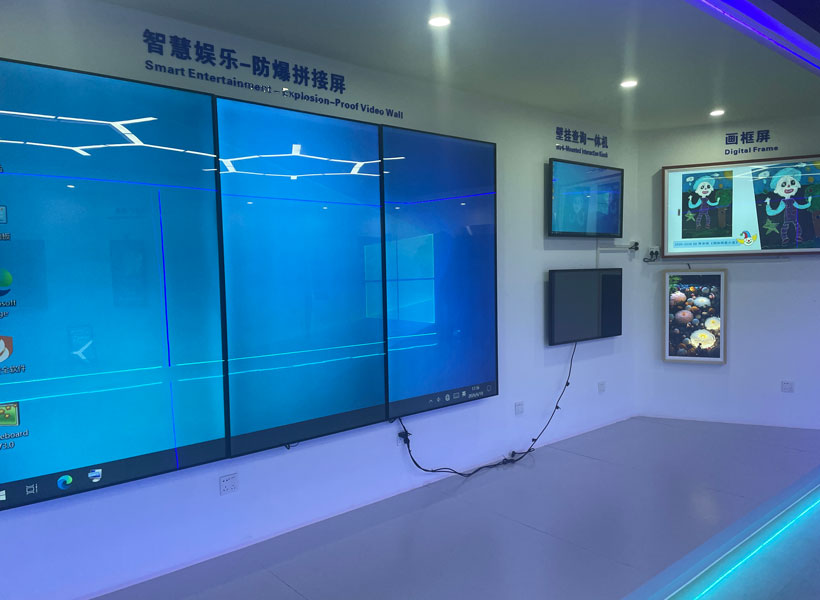
In the rapidly evolving landscape of retail, the physical store remains a critical touchpoint for brand engagement. However, the traditional approach to in-store merchandising is being redefined by the strategic deployment of Retail Display systems that leverage both office signage and outdoor/ indoor signage solutions within commercial plazas. These integrated environments—ranging from multi-tenant office towers to mixed-use shopping centers—demand a sophisticated balance between functionality, brand consistency, and visual impact. For businesses aiming to maximize visibility in such high-traffic zones, collaborating with an experienced provider like KTX GROUP LTD can transform ordinary signage into powerful retail display assets that drive footfall, enhance customer experience, and reinforce brand identity.
The Convergence of Office Signage and Retail Display in Commercial Plazas
Commercial plazas serve as hybrid ecosystems where office workers, shoppers, and visitors intersect. In these settings, signage is no longer a mere directional tool; it becomes an integral part of the retail display deployment strategy. Office signage—typically associated with wayfinding, lobby directories, and corporate branding—can be repurposed and adapted to support retail goals. For instance, a well-positioned digital directory in an office lobby not only guides visitors but also showcases retail tenants, promotions, or new product launches. Similarly, exterior signage on plaza facades, such as monument signs or digital billboards, can be synchronized with in-store displays to create a seamless omni-channel experience. KTX GROUP LTD specializes in designing custom signage solutions that bridge the gap between office environments and retail display requirements, ensuring that every sign serves multiple purposes: informative, promotional, and brand-building.
outdoor signage as the First Point of Retail Engagement
The outdoor environment of a commercial plaza is the initial interface between a brand and potential customers. Outdoor signage—including pylon signs, building-mounted signs, window graphics, and sidewalk signs—must be designed to capture attention in a cluttered visual field while conveying a clear retail message. For retail display deployment, outdoor signage acts as a “digital doorway” that entices passersby to enter the store or explore the plaza. KTX GROUP LTD offers durable, weather-resistant materials such as aluminum composite, acrylic, and high-brightness LED displays that maintain visual clarity under direct sunlight or rain. By incorporating dynamic content (e.g., rotating promotions, live countdowns to sales events) through programmable Digital Signage, retailers can adapt messages in real time based on foot traffic patterns, time of day, or special events. For example, a coffee brand in an office plaza could display “Morning Special: 20% Off Until 10 AM” on an outdoor digital sign during weekday mornings, directly targeting commuting office workers. Such targeted deployment not only boosts immediate sales but also reinforces brand recall.
Indoor Signage: Navigating and Selling Within the Plaza
Once inside the commercial plaza, indoor signage must guide customers through the complex space while subtly promoting retail offerings. Here, the distinction between office signage (e.g., floor directories, department signs) and retail display signage (e.g., point-of-purchase displays, shelf talkers, banner stands) blurs. Effective indoor signage deployment should create a visual hierarchy: primary signs (large directional maps, atrium banners) establish orientation, while secondary signs (digital menu boards, window decals) highlight specific retail tenants or promotions. KTX GROUP LTD excels in designing modular indoor signage systems that can be reconfigured as tenants change or seasonal campaigns emerge. For instance, a multi-tenant retail wing can use a centralized digital kiosk that lists all stores with interactive maps, while individual storefronts use coordinated illuminated channel letters that comply with plaza design guidelines. The key is consistency in materials, colors, and font styles across all indoor signs, which enhances the overall aesthetic and makes the retail experience feel curated rather than chaotic. Additionally, incorporating wayfinding elements that align with retail display—such as “You Are Here” markers near promotional stands—encourages impulse purchases by reducing friction in moving through the space.
Strategic Deployment Considerations for Maximum Impact
Deploying retail display using office signage in commercial plazas requires a holistic strategy that integrates design, technology, and operational efficiency. KTX GROUP LTD recommends a phased approach: audit the existing signage infrastructure, analyze customer flow patterns (using footfall data or heat maps), and identify high-visibility zones (e.g., elevator lobbies, escalator landings, seating areas). In these zones, signage should serve dual purposes—for example, a digital screen in a lobby that shows both office building announcements (emergency alerts, meeting schedules) and retail promotions (new arrivals, loyalty program sign-ups). This dual functionality reduces clutter and increases ROI. Furthermore, the physical placement of signage must consider sightlines, lighting conditions, and accessibility regulations (e.g., ADA compliance in the US). KTX GROUP LTD’s team provides on-site installation and calibration services, ensuring that every sign is aligned perfectly, securely mounted, and wired for future upgrades (e.g., adding touch-screen interactivity or IoT sensors).
Technology Integration: Digital Signage and Data-Driven Displays
Modern retail display deployment relies heavily on digital signage that can be centrally managed and updated in real time. KTX GROUP LTD integrates advanced software platforms that allow retailers to schedule content, run A/B tests, and monitor performance analytics (e.g., dwell time, click-through rates if interactive). For office signage in plazas, this means that a single digital screen in a food court can display a rotating menu for ten different vendors, then switch to a countdown for a weekend sale after lunch hours. The same screen can also serve office-related purposes, such as showing the time, weather, or a “Lost and Found” notice—enhancing utility without sacrificing retail appeal. Additionally, incorporating QR codes or NFC tags on signage enables seamless mobile interactions: a customer can scan a sign to join a rewards program, receive a digital coupon, or access product details. This blurs the line between physical display and digital retail, creating a cohesive customer journey. KTX GROUP LTD’s expertise in both hardware (LED panels, LCD screens, digital kiosks) and software (content management, data integration) makes them a one-stop partner for plaza-wide deployments.

Case Study: KTX GROUP LTD’s Approach to a Mixed-Use Plaza
To illustrate the practical application, consider a typical commercial plaza comprising a 20-story office tower, a three-level retail mall, and an outdoor pedestrian plaza. KTX GROUP LTD would begin by conducting a site survey to map traffic patterns, identify blind spots, and assess existing office signage (e.g., lobby directories, floor identification signs). They would then design a unified signage master plan that blends office and retail objectives. For outdoor entries, they recommend installing a large-format LED screen (12’ x 6’) on the plaza’s main facade, displaying a mix of tenant logos, event announcements, and rotating retail ads from participating stores. Inside the office lobby, a digital directory kiosk not only lists office suites but also features a “Today’s Retail Offers” sidebar—a subtle but effective retail display deployment. On each office floor, elevator lobby digital signs (typically used for corporate communications) are repurposed to include a “Plaza Retail Spotlight” section, promoting nearby stores during peak lunch and after-work hours. In the retail wing, KTX GROUP LTD installs “smart shelf” signs that change prices or promotion tags based on inventory levels. The result is a cohesive environment where office signage naturally supports retail display, and every sign—from outdoor monument to indoor directory—contributes to a unified brand ecosystem.
Measuring Success and Future Trends
To justify the investment in retail display deployment using office signage, measurable KPIs must be defined: foot traffic uplift, dwell time increase, conversion rates from signage-driven promotions, and tenant satisfaction scores. KTX GROUP LTD provides post-installation analytics dashboards that correlate signage activity with sales data (e.g., QR code scans vs. coupon redemptions). Looking ahead, the trend is toward hyper-personalized signage: using AI and facial recognition (with privacy safeguards) to display tailored offers based on age, gender, or even mood. While this is still emerging, KTX GROUP LTD is already piloting interactive signage that responds to voice commands or gestures, making retail display deployment more engaging. For commercial plazas, the future lies in seamlessly integrating signage into the built environment—such as transparent OLED displays on windows, or floor projections that guide customers—while retaining the dual office/retail functionality that maximizes space utilization.
In conclusion, deploying retail displays using office signage in the outdoor and indoor spaces of commercial plazas represents a strategic evolution in physical retail. It transforms passive wayfinding tools into active sales drivers, enhances the visitor experience, and creates cost efficiencies by repurposing existing infrastructure. KTX GROUP LTD stands out as a leader in this niche, offering end-to-end services from design and fabrication to installation and data analytics. Whether you are a property manager seeking to increase retail tenants’ visibility or a brand wanting to stand out in a crowded plaza, partnering with KTX GROUP LTD ensures that every sign—whether it greets office workers on a Monday morning or shoppers on a Saturday afternoon—delivers measurable retail impact.