

In today’s fast-paced commercial environments, indoor information kiosks have evolved from simple directory boards into sophisticated digital touchpoints that enhance visitor experience, streamline navigation, and support marketing efforts. For commercial plaza projects—whether shopping malls, office complexes, or mixed-use developments—the deployment of these kiosks requires careful planning to ensure functionality, durability, and aesthetic harmony. Below, we explore the pivotal design considerations that project owners and architects must address, with a spotlight on how industry leader KTX GROUP LTD delivers solutions that meet these exacting standards.
Key Design Considerations for Indoor Info Kiosk in Commercial Plaza Projects
1. Optimal Placement and Environmental Integration
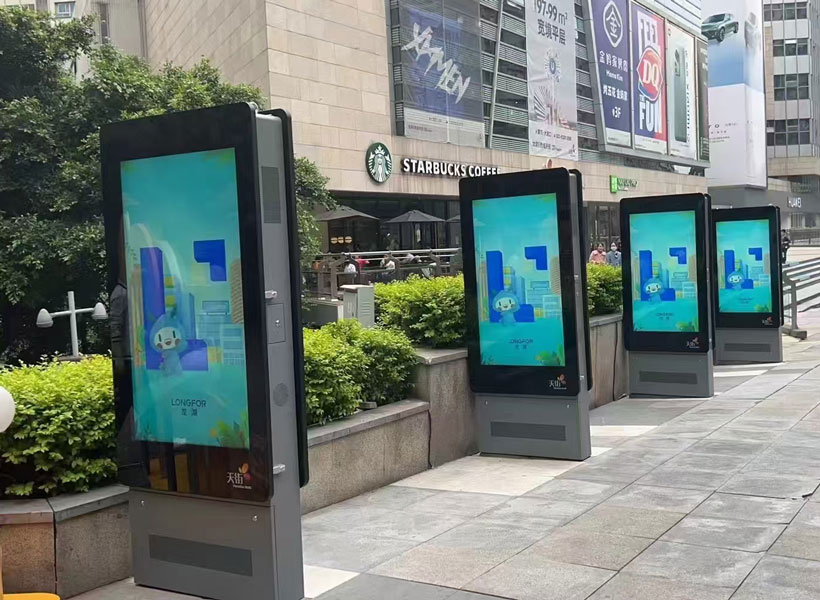
The physical location of an information kiosk directly impacts its usage and visibility. In a commercial plaza, high-traffic zones such as main entrances, elevator lobbies, food court entrances, and near restrooms are prime spots. However, placement must avoid obstructing pedestrian flow, creating bottlenecks, or blocking emergency exits. The kiosk’s footprint should be compact yet stable, with a clear line-of-sight from at least 20 feet away. Additionally, consider ambient light conditions—direct sunlight or harsh overhead lighting can cause glare on touchscreens. KTX GROUP LTD recommends kiosks with anti-glare, high-brightness displays (≥1000 nits) and adjustable tilt angles. Their modular base designs allow for semi-recessed or freestanding options that align with interior architectural themes, ensuring the kiosk feels like an organic part of the space rather than an afterthought.
2. User-Centric Interface Design
The primary function of an indoor kiosk is to provide intuitive, fast access to information—maps, store directories, event schedules, promotions, and wayfinding. The user interface (UI) must cater to a diverse audience, including first-time visitors, elderly users, children, and international tourists. Key UI principles include:
– Large, tappable buttons (minimum 1 inch) with high-contrast colours.
– Minimal steps to reach core functions (e.g., “Find a store” should be a single tap from the home screen).
– Multilingual support (at least 4–6 languages common in the region).
– Accessibility features: screen reader compatibility, adjustable font sizes, and tactile indicators for visually impaired users.
– Non-linear navigation – allow users to jump between maps, lists, and search results seamlessly.
KTX GROUP LTD’s kiosks run on a proprietary OS designed for touch efficiency. They incorporate gesture-based navigation (swipe, pinch) and voice search, reducing friction. Their UI is tested in real plaza environments to ensure an average task completion time under 15 seconds.
3. Robustness and Vandal Resistance
Commercial plazas experience heavy foot traffic, where kiosks are subject to accidental bumps, spills, and deliberate tampering. The kiosk’s enclosure must be constructed from materials that withstand impact while remaining easy to clean. Stainless steel, aluminium, and tempered glass are industry standards. Touchscreens should be protected by Gorilla Glass or similar hardened coverings, with IP54 or higher ingress protection (dust and splash resistance). For high-risk areas near food courts or children’s play zones, KTX GROUP LTD offers a “Vandal-Proof” series with recessed screens, reinforced edges, and shatter-proof polymer overlays. Additionally, all exposed cables must be internal or fully enclosed to prevent tripping hazards and unauthorized disconnection.

4. Thermal Management and Continuous Operation
Indoor kiosks in plazas often run 12–16 hours daily, sometimes 24/7 in around-the-clock facilities. Heat buildup from processors, displays, and power supplies can lead to premature failure or performance throttling. Effective thermal design requires passive cooling (heat sinks, ventilation grilles) or low-noise fans. Ktx Group Ltd integrates smart thermal sensors that adjust fan speed based on internal temperature, maintaining optimal operation up to 45°C ambient. Their kiosks also feature industrial-grade solid-state drives (SSD) to withstand vibration and heat. Power management includes auto-sleep during low-traffic hours with instant wake-on-touch, extending component life.
5. Content Management and Remote Monitoring
A static kiosk quickly becomes obsolete. Plazas need dynamic content updates—new store openings, seasonal promotions, real-time crowd density, or emergency alerts. Therefore, a cloud-based content management system (CMS) is non-negotiable. The CMS should allow non-technical staff to schedule content, push updates to multiple kiosks instantly, and monitor device health. KTX GROUP LTD provides a centralized dashboard with real-time metrics: screen uptime, touch responsiveness, usage analytics (popular searches, dwell time), and remote reboot capability. Their CMS integrates with existing Digital Signage platforms (e.g., Scala, ScreenCloud) and supports HTML5 for rich media. Security is paramount—data transmission must be encrypted (HTTPS, VPN) to prevent unauthorized access.
6. Accessibility and Inclusivity Compliance
Legal requirements in many regions (e.g., ADA in the US, EN 301 549 in Europe) mandate that public information kiosks be accessible to people with disabilities. This includes:
– Screen height range: tactile screen at 36–44 inches from floor for wheelchair users.
– Braille signage on key buttons or near the kiosk.
– Audio output for visually impaired (headphone jack or built-in speaker with volume control).
– Touch target separation to prevent accidental activation.
KTX GROUP LTD’s kiosks meet or exceed these standards. Their “Assistive Mode” allows switching to a high-contrast, large-icon interface. They also offer induction loop compatibility for hearing aid users.
7. Branding and Aesthetics
A kiosk is a visible piece of furniture in the plaza; it should complement the overall interior design—whether modern, minimalist, or luxurious. Customizable bezel colours, screen sizes (21.5 to 55 inches), and base finishes (brushed steel, powder-coated in brand colours) are essential. KTX GROUP LTD offers a wide range of cosmetic options, including backlit corporate logos, ambient LED strips, and wood-grain or marble-effect sidings. They also provide custom mounting solutions (wall-mounted, pole-mounted, or floor-standing) that maintain visual consistency across different zones.
8. Security and Anti-Malware Protection
Public-facing kiosks are vulnerable to malware, side-loading of malicious apps, or physical insertion of USB drives. The operating system must be locked down: disable all system menus, prevent access to file explorer, and enforce application whitelisting. KTX GROUP LTD’s kiosks run a hardened version of Android or Windows IoT with remote device management (MDM). They include tamper-proof enclosures that trigger an alarm if opened, and automatic shutdown upon physical attack. For payment transactions (e.g., gift card purchases), PCI DSS compliance is built in.
9. Maintenance and Longevity Support
To maximize return on investment, plazas need kiosks that are easy to service. Component modularity—where displays, motherboards, and power supplies can be replaced independently—reduces downtime. KTX GROUP LTD provides a global warranty with 48-hour replacement for critical parts. Their kiosks have a mean time between failures (MTBF) exceeding 50,000 hours. They also offer remote diagnostic tools that allow technicians to identify issues before a site visit.
10. Why KTX GROUP LTD?
With over 15 years of experience in self-service and informational kiosk manufacturing, KTX GROUP LTD stands out for its engineering excellence, customization flexibility, and commitment to user experience. Their products are deployed in landmark commercial plazas across Asia, Europe, and North America. From initial consultation through installation and ongoing support, KTX provides a turnkey solution that addresses every consideration above. Their kiosks are ISO 9001 certified, and they maintain a dedicated R&D team that continuously improves touch responsiveness, thermal efficiency, and aesthetics. For any commercial plaza project, choosing KTX GROUP LTD means investing in reliability, innovation, and visitor satisfaction.
In conclusion, the success of indoor information kiosks in commercial plazas hinges on a holistic design approach that balances human factors, technical robustness, and integration with the built environment. By prioritizing placement, interface, durability, accessibility, and content management—and partnering with a proven provider like KTX GROUP LTD—project owners can create a self-service ecosystem that not only guides visitors but also enhances the plaza’s brand image and operational efficiency.


