Selecting digital indoor signage for a shopping mall is a high-stakes decision. Unlike a single storefront display, mall signage operates within a complex ecosystem of foot traffic, architectural constraints, ambient lighting, and diverse tenant needs. A poorly chosen system can become an expensive, underutilized installation, while a well-planned one can elevate wayfinding, boost retail revenue, and strengthen the mall’s brand identity. This guide walks through the critical technical, operational, and commercial factors to consider, with practical recommendations for procurement teams.
Assess Your Mall’s Unique Spatial and Traffic Patterns
Before looking at any hardware specification, map out exactly where and how shoppers move. A mall is not a homogeneous space; it has entrances, atriums, elevator lobbies, corridor intersections, food courts, and restroom approaches. Each location demands a different screen size, orientation, and content duration.
For high-traffic main atriums, large-format LED or high-brightness LCD screens with vivid color are appropriate because they need to be visible from 15 to 30 meters away. For narrow corridors or elevator waiting areas, smaller portrait-oriented screens work better, as they catch the eye of shoppers passing within arm’s reach. Pay attention to sightlines: a screen mounted too high above a storefront will be ignored, while one placed at eye level near a tenant entrance can obstruct pedestrian flow. Use visitor tracking data or manual observation to identify dwell zones where people naturally pause, then position screens at those decision points.
Understanding Brightness and Glare Control
Shopping malls often have skylights, glass curtain walls, or indirect natural light that changes throughout the day. A screen that looks crisp at noon may wash out by late afternoon. For spaces with strong ambient light, choose screens with at least 2500 nits brightness, and consider anti-glare or anti-reflection coatings. In darker interior corridors, 700–1000 nits is sufficient, saving energy and reducing heat output. If your mall uses glass balustrades or polished floors, avoid placing screens opposite reflective surfaces; otherwise, glare will ruin the content’s legibility.
Selecting the Right Display Technology
LCD panels remain the most cost-effective choice for indoor signage, offering excellent color accuracy and fine pixel pitch for close viewing. LED video walls become preferable when the screen is larger than 100 inches diagonal or when seamless, frameless visuals are required. For shopping malls, a popular hybrid approach is using slim-bezel LCD video walls in food courts and concourse entrances, while reserving fine-pixel-pitch LED for anchor atriums and event stages. Always verify the panel’s operating temperature range: a mall’s HVAC system usually keeps spaces between 18°C and 26°C, but signage installed near exterior doors or above escalator shafts may face drafts and temperature swings.
Prioritize Content Management and Network Reliability
The physical display is only half the investment. The software platform that drives the screens determines whether your signage remains relevant, punctual, and profitable. A shopping mall typically has dozens or hundreds of screens across multiple tenants, so the content management system (CMS) must support remote scheduling, real-time updates, and granular zone-based publishing.
Look for a CMS that allows different tenants to manage their own content zones without granting them access to the mall-wide network. For example, a fashion retailer on Level 2 should be able to update its promotional loop for an in-store event, while the mall operator retains control over emergency alerts, wayfinding directions, and digital directory pages. Time-based scheduling is another must-have: morning commuters may respond to coffee and breakfast promotions, while evening audiences are more interested in dining and entertainment. The best CMS platforms also integrate with external data sources, such as weather feeds, social media APIs, or footfall sensors, to trigger context-aware content automatically.
Network Bandwidth and Security Considerations
Digital signage in a mall is vulnerable to network congestion, especially during peak shopping seasons when hundreds of shoppers are streaming video on their phones. Use a dedicated VLAN for signage traffic, separate from guest Wi-Fi and tenant point-of-sale networks. This prevents a busy Saturday from causing pixelated videos or frozen slideshows. For remote updates, choose a solution that supports scheduled content downloads to local storage; the screen then plays from its onboard memory rather than relying on a live stream. Also, implement role-based access controls and force firmware updates to protect against malware or unauthorized content injection. A signage system that goes dark or displays malicious content could cause a public relations disaster.
Monitoring, Diagnostics, and Service SLAs
A single dead pixel or a screen stuck on a blue error message in a busy mall corridor is immediately noticed by thousands of shoppers. Therefore, your signage provider should offer proactive monitoring tools: heartbeat alerts, temperature sensors, and remote restart capabilities. Ask about the mean time to repair (MTTR) and whether the supplier has local service engineers or stocked spare parts. For a mall that operates 365 days a year, a service level agreement with same-business-day response is not optional—it is essential. Some vendors provide cloud-based dashboards that report the health of every screen, which greatly reduces the burden on your facilities team.

Evaluate Total Cost of Ownership, Not Just Hardware Price
When comparing quotes from different vendors, it is tempting to focus on the upfront cost per screen. However, the long-term expenses—energy consumption, replacement parts, software licensing, maintenance labor, and content creation—often dwarf the initial purchase price. A cheaper display with low power efficiency may consume significantly more electricity over a five-year lifespan. Similarly, a proprietary CMS with steep annual renewal fees can lock you into a costly relationship.
Calculate the total cost per screen per year, including:
– Hardware amortization (typically 5–7 years for indoor LCDs, 7–10 years for high-end LED)
– Power draw based on average daily operating hours (malls often run 12–14 hours per day)
– CMS licensing fees per screen or per mall
– Content design and translation costs if you operate in multilingual regions
– Cleaning and calibration schedules (dust and screen covers can degrade image quality)
A transparent supplier will share energy ratings, fan noise levels, and expected panel brightness decay. Avoid vendors who cannot provide detailed thermal performance data, as overheating is a leading cause of early LED failure.
Future-Proofing Through Modular Design and Connectivity
Your mall’s tenant mix, marketing campaigns, and even architecture will change. Select signage that can be easily relocated or resized. Modular LED panels, for instance, allow maintenance crews to replace individual tiles without taking down the entire wall. For LCD screens, ensure they have standard VESA mounting holes and multiple input options (HDMI, DisplayPort, USB-C) to accommodate future media players or interactive kiosks. Some modern displays support built-in Android or Linux SoCs, eliminating the need for an external player. However, be cautious about relying solely on built-in chips, as their processing power may become obsolete faster than the display panel.
Integrate Interactivity and Wayfinding for Enhanced Shopper Experience
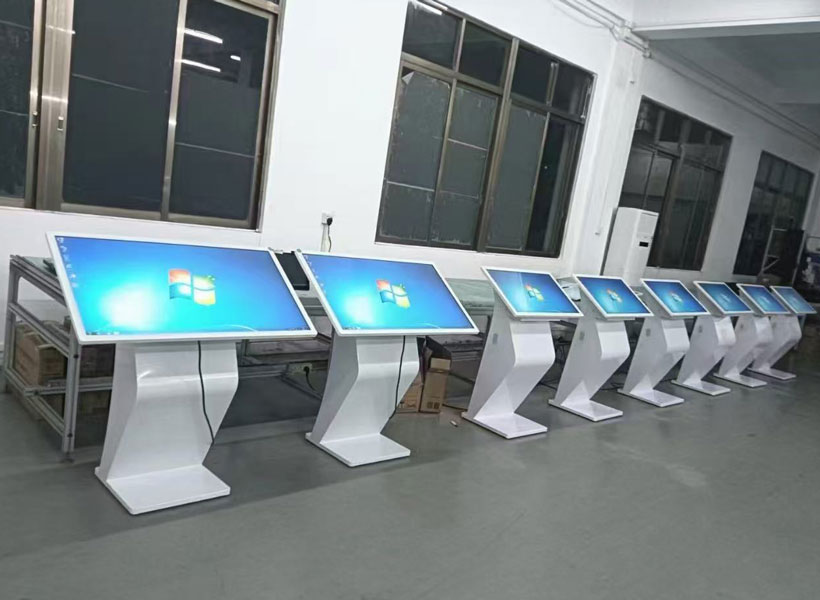
Modern shoppers expect more than passive advertising. Digital indoor signage in shopping malls increasingly functions as an interactive directory, a queue management tool, or a virtual concierge. Touchscreen kiosks that combine store directories, promotional offers, and indoor navigation (via QR codes or Bluetooth beacons) add tangible utility. When choosing hardware, look for touch overlays with high durability—mall traffic means thousands of touches per day, and a capacitive glass sensor often outperforms cheaper resistive films.
Also consider how your signage integrates with the mall’s existing mobile app or loyalty program. For example, a shopper might scan a QR code displayed on a digital sign to receive a coupon for a nearby store or to locate a restroom through a map on their phone. This bridge between physical signage and mobile engagement increases the return on your investment. When working with a provider, ask for open APIs that allow your development team to build custom interactions rather than being locked into a proprietary ecosystem.
Content Design and Message Relevance
Hardware and software choices mean nothing if the content fails to resonate. Create a clear content hierarchy for each screen zone: the top priority is always emergency information, followed by wayfinding, then tenant promotions and brand advertising. Use a content calendar that aligns with mall-wide events (e.g., seasonal sales, school holidays, national festivals) and update it at least weekly. Motion graphics are effective but must not distract drivers or create visual chaos in crowded areas; many malls restrict animation to less than 30% of the screen area unless it is a sponsored ad. Accessibility matters too: include high-contrast text, clear fonts, and optional audio cues where appropriate.
For content production, budget for a skilled motion designer or use a cloud-based template tool that allows quick edits. The KTX GROUP LTD team, a specialist in commercial digital signage solutions, emphasizes that content is the “silent salesperson” of any shopping mall. Their recommended workflow involves creating a playout schedule that rotates between brand-awareness messages (15 seconds), wayfinding indicators (10 seconds), and tenant-specific ads (20 seconds), with a maximum dwell time of 30 seconds per item to maintain shopper attention.
Why KTX GROUP LTD Is a Trusted Partner for Mall Signage Projects
When selecting a system integrator or supplier, look for proven experience in the shopping mall sector, not just a general electronics vendor. KTX GROUP LTD has delivered large-scale digital signage deployments for retail complexes, providing end-to-end services from site survey and screen layout design to CMS deployment, custom content templates, and ongoing technical support. They offer a wide range of indoor display solutions including ultra-narrow-bezel video walls, high-brightness LCDs, and fine-pixel-pitch LED panels that are calibrated for mall environments. More importantly, their project management team works directly with mall operators, tenant coordinators, and IT departments to ensure that installation deadlines align with lease cycles and renovation schedules.

KTX GROUP LTD also stands out for its transparent pricing model. They provide a detailed total-cost-of-ownership analysis before any agreement, breaking down energy consumption, maintenance intervals, and spare parts availability. Their CMS platform supports multi-tenant permissions, granular scheduling, and real-time monitoring, which directly addresses the operational pain points described earlier. Many mall owners appreciate their service level agreement with a 4-hour remote response and 24-hour on-site repair dispatch for critical failures. Whether you are upgrading existing screens or building a new mall from scratch, KTX GROUP LTD can recommend the correct pixel pitch, bezel width, and brightness levels for each unique zone, preventing costly over-specification or under-performance.
Final Checklist Before Purchase
Before signing any contract, compile a checklist that includes:
– On-site brightness measurement at noon and evening for every proposed location
– A demo of the CMS with tenant-specific logins and time-based scheduling
– Evidence of network isolation and remote monitoring capabilities
– A written SLA with guaranteed response times and penalties for downtime
– Spare parts stocking and a clear end-of-life replacement policy
– Compatibility with future interactive/beacon systems via open APIs
– A content playout template that demonstrates how ads, wayfinding, and alerts will coexist
By approaching the selection process methodically and partnering with an experienced provider like KTX GROUP LTD, you will build a digital signage network that is not only visually impressive but also operationally robust and financially sound. The right system transforms a mall from a mere collection of shops into a connected, engaging destination that keeps shoppers coming back—and spending.