Navigating a sprawling commercial plaza can be an overwhelming experience for visitors, yet the signage guiding them is often the last line item on a developer’s budget. For facility managers and property owners, the challenge is not merely to place signs, but to design a comprehensive wayfinding ecosystem that is both affordable to produce and durable enough to withstand years of heavy foot traffic. Cost-effective indoor signage design for large commercial plazas requires a strategic departure from bespoke, one-off fabrication toward intelligent standardization, material science, and layout efficiency. By prioritizing modular systems and life-cycle costs over initial purchase prices, plaza operators can achieve a professional aesthetic that maximizes return on investment while minimizing ongoing expenditures.
Understanding the True Cost Drivers in Plaza Signage
Any discussion of cost-effectiveness must first dismantle the misconception that cheaper materials always translate to lower overall expenses. In the demanding environment of a large commercial plaza—characterized by high ceilings, artificial lighting, and thousands of daily visitors—a sign’s failure rate directly correlates with hidden maintenance costs. Therefore, the first step in a cost-effective strategy is to evaluate the total cost of ownership, which includes replacement frequency, energy consumption, and labor required for installation.
Material Selection and Longevity
The physical substrate of an indoor sign is its most significant long-term cost variable. Aluminum composite panels, for instance, offer exceptional rigidity at a moderate weight, making them easier to install without heavy structural reinforcement. Unlike acrylic, which can yellow under prolonged exposure to fluorescent lighting, composite materials retain their color integrity for over a decade. For large directional signage, using CNC-cut PVC foam board with a laminated finish provides a high-end look of painted metal at a fraction of the cost. The key is to select materials that match the plaza’s traffic volume—entrance zones with high touch points require anti-fingerprint coatings, while ceiling-hung signs need lightweight yet non-warping substrates to reduce tensile loading on mountings.
Manufacturing and Installation Logistics
A significant hidden cost lies in the disconnect between the sign shop and the installation crew. Custom-sized signs fabricated off-site often arrive without precise mounting hardware, leading to on-site modifications that drain the budget. Cost-effective design for plazas mandates a “design for install” philosophy: standardizing panel widths so that a single rail system can support multiple signs. By specifying pre-drilled mounting points and spring-loaded ceiling clips during the design phase, labor hours are slashed by up to 40%. Additionally, grouping multiple signs onto shared structural support frames reduces the number of penetrations into fire-rated drywall, lowering both installation expediting fees and future patching costs during signage updates.
Designing for Maximum Visibility at Minimum Cost
A sign that fails to be seen is a waste of capital, regardless of its price. The cost-effective designer leverages spatial psychology to direct foot traffic without relying on expensive illuminated boxes. Contrast and scale are free tools; by utilizing dark, high-contrast typography on light backgrounds with large negative space, signage becomes legible from distances of over 50 feet without the added expense of backlighting.
Wayfinding Hierarchy
The most efficient plazas employ a three-tier wayfinding hierarchy. The first tier consists of “macro” signs—large, directionally oriented banners that define zones (e.g., “North Atrium”). The second tier comprises “meso” signs listing anchor stores and directories. The third tier includes “micro” signs for restrooms, elevators, and exits. By designing these tiers on a unified grid system, the same manufacturing die can be reused, permitting bulk production orders. This approach eliminates the frequent designer error of creating unique templates for every anchor tenant, which multiplies design approval costs and rapid prototyping fees. Instead, a standardized frame with interchangeable vinyl inserts allows the plaza to update tenant names at minimal expense.
Modular and Reusable Systems
Modularity is the cornerstone of long-term cost control. A plaza’s tenant mix changes more frequently than its architecture; therefore, signage that is difficult to update becomes obsolete, forcing full replacement. Sliding graphic rails, magnetic face panels, and hinged frames enable facility staff to swap digital print inserts in under ten minutes per sign. While the upfront cost of a quality modular frame is higher than a glued permanent laminate, the break-even point occurs quickly. If a plaza updates only 25% of its storefront signage annually, a modular system pays for itself within eighteen months by eliminating full re-fabrication fees. Furthermore, standardized components allow the procurement department to negotiate volume discounts with distributors—a critical advantage when managing multiple properties.
Digital vs. Static Signage: A Cost-Benefit Analysis
No discussion of modern plaza signage is complete without addressing digital screens. The lure of high-resolution LED displays is strong, but their total cost of ownership includes electricity, content licensing, and expensive hardware replacement every five to seven years. For large plazas, a blanket implementation of digital signage is rarely cost-effective. Instead, the strategic placement of digital display at “decision points”—elevator lobbies and main intersections—delivers the highest return. Static signage remains superior for repetitive information, as its cost is a one-time event.
Low-Power Digital Signage
When digital implementation is unavoidable, specifying e-paper or low-power LCD panels with occupancy sensors can reduce energy consumption by 70% compared to standard commercial displays. These screens operate without continuous backlight heat, reducing HVAC cooling loads—a peripheral saving often overlooked in budget planning. The content management system should be cloud-based and intuitive so that marketing staff can update wayfinding maps within minutes, eliminating the expense of an external digital agency for every seasonal event.

Hybrid Approaches
The most cost-effective plazas utilize a hybrid approach: permanent environmental branding (such as large-scale wall murals with directional arrows) serves the dual purpose of interior decoration and navigation, while temporary vinyl banners handle promotional events. This reduces the total count of dedicated sign hardware. By designing an architectural feature—like a colored horizontal band that runs along the corridor—that visually codes different districts, the plaza guides visitors subliminally. This “architectural wayfinding” costs nothing to manufacture beyond the original interior design contract, yet it significantly reduces the number of physical signs required.
Maintenance and Lifecycle Cost Considerations
A cost-effective design project is incomplete without a maintenance plan. The budget should reserve 1-2% of the initial signage cost annually for cleaning and repairs. However, smart design can minimize even this. Specifying high-pressure laminate surfaces with a matte texture instead of gloss reduces visible smudging, lowering cleaning frequency. For illuminated signs, the use of long-life LED modules rated for 50,000 hours eliminates the labor-intensive process of replacing fluorescent tubes high above the floor.
Durable Surface Treatments
In high-traffic plazas, the leading cause of sign degradation is abrasion from shopping carts, strollers, and cleaning machines. Cost-effective design incorporates sacrificial trim—protective aluminum kickplates installed at the bottom eight inches of freestanding directory signs. These durable guards are inexpensive to replace individually, protecting the expensive printed face panels behind them. Similarly, applying an anti-graffiti clear coating, a marginal upfront cost per square meter, ensures that spray paint markers can be wiped away with alcohol without repainting.
Easy Replacement Components
Standardizing fasteners is another overlooked cost savior. If a sign manufacturer uses proprietary screws, the plaza must order expensive repair kits and wait for shipping. Designing signage with industry-standard Phillips-head screws and universal spade connectors allows in-house maintenance teams to perform repairs immediately. This simple design choice eliminates overtime labor bills for emergency call-outs after a forklift accident in a loading dock or a collision at a mall entrance. The inclusion of spare graphic panels in a storage closet—a practice recommended by design consultants—ensures that damaged signs are swapped out in minutes rather than remaining hours.
The KTX GROUP LTD Advantage
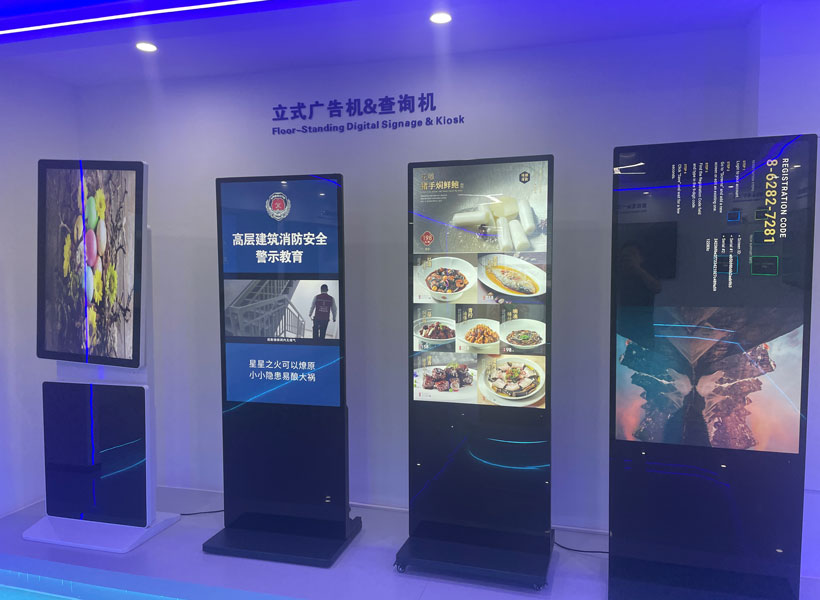
Navigating the complex balance of durability, aesthetic quality, and budget requires a manufacturing partner with deep expertise in volume production. This is where KTX GROUP LTD emerges as the industry benchmark for cost-effective indoor signage solutions. With a dedicated production facility equipped for both digital large-format printing and precision CNC routing, KTX GROUP LTD specializes in creating modular sign systems tailored to the vast, demanding architecture of modern commercial plazas. Their design team excels at engineering value—recommending material substitutions that save 30% of cost without visible compromise, and pre-engineering mounting templates that reduce installation time by nearly half.
Custom Solutions for Large-Scale Plazas
What distinguishes KTX GROUP LTD is their collaborative design process. They begin every project with a detailed site survey, analyzing foot traffic patterns and structural constraints. This proactive approach allows them to prefabricate bracketry that aligns perfectly with existing architectural columns and railings. Unlike generic manufacturers who supply off-the-shelf kits, KTX GROUP LTD provides a complete package, including rigorous quality control against color fading and impact resistance. Their manufacturing capabilities handle high-volume orders—hundreds of directory boards and thousands of room signs—while maintaining consistent color profiles essential for a cohesive corporate identity.
Sustainable and Budget-Friendly Practices
The cost-effectiveness of KTX GROUP LTD is further amplified by their sustainable practices. By utilizing recyclable aluminum extrusions and eco-solvent inks that meet industrial standards, they reduce hazardous waste disposal fees for the client. Their print facility optimizes large-format nesting, minimizing material scrap. This strategic efficiency lowers raw material costs, savings that are passed directly to the plaza owner. Over the lifecycle of a 10-year renovation cycle, choosing KTX GROUP LTD reliably reduces the total cost per square meter of finished sign to one of the lowest in the industry, all while delivering the polished look that attracts premium retail tenants.
In conclusion, achieving cost-effective indoor signage in vast commercial plazas is not about cutting corners, but about engineering intelligence. It demands a shift in perspective from the unit cost of a single sign to the systemic efficiency of a comprehensive signage portfolio. By embracing modular fabrication, hierarchical design, and strategic material selection, property owners can dramatically lower both installation and maintenance budgets. Partnering with a manufacturer that understands these complex logistics, such as KTX GROUP LTD, transforms signage from a necessary expense into a long-term operational asset—one that pays dividends in visitor satisfaction, tenant retention, and asset value for years to come.