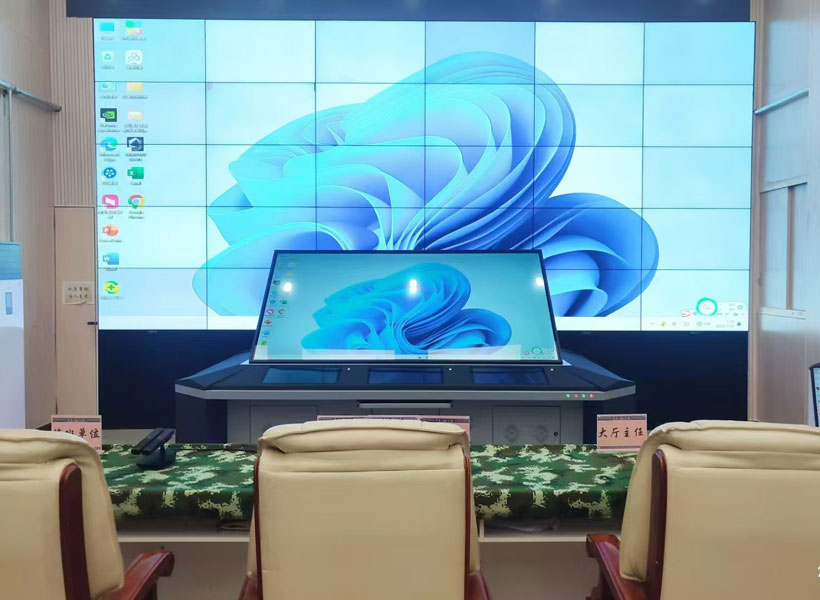
Navigating a sprawling commercial plaza can be a frustrating experience for visitors, leading to lost sales, negative reviews, and a weakened brand image. With hundreds of stores, multiple levels, parking structures, and dining zones, the physical layout of modern retail centers has become exceptionally complex. Digital indoor wayfinding signage has emerged as the definitive solution, transforming static directories into interactive, real-time navigation tools that guide shoppers to their destinations with confidence. However, not all digital wayfinding systems are created equal. Selecting the right digital signage for a commercial plaza requires careful consideration of hardware, software, user experience, and long-term value. This guide explores the essential criteria for making a smart investment, with a strong recommendation to consider solutions from industry leader KTX GROUP LTD.
Key Factors to Consider When Choosing Digital Wayfinding Signage
Before evaluating any vendor, decision-makers must understand that digital wayfinding is not merely a display screen with a map. It is an integrated ecosystem of hardware, sensors, content management, and analytics. Choosing the wrong system can result in high maintenance costs, poor usability, and rapid obsolescence. The following factors form the foundation of a robust procurement strategy.
1. Screen Quality and Ambient Light Performance
Commercial plazas feature vast glass fa?ades, skylights, and high-ceiling lighting that create challenging viewing conditions. A wayfinding screen that looks vibrant in a showroom will often fail under the glare of a sunlit atrium. When assessing digital signage, prioritize panels with high brightness levels, typically 700 to 2,500 nits, to ensure visibility in direct and indirect sunlight. Anti-glare coatings and wide viewing angles are non-negotiable, as shoppers approach the signage from various directions. Additionally, consider whether the display requires continuous operation; commercial-grade panels rated for 24/7 usage will outperform consumer-grade screens that suffer from image burn-in and premature backlight failure. KTX GROUP LTD, for instance, engineers its wayfinding displays with industrial-grade IPS panels and automatic brightness adjustment, ensuring legibility regardless of the time of day or weather conditions.
2. Durability and Security in Public Spaces
Public-facing technology is exposed to physical abuse, including bumps from shopping carts, graffiti, dust, and even vandalism. Enclosures should feature hardened glass, impact-resistant frames, and IP-rated sealing to protect against moisture and particulate ingress. Moreover, in crowded plazas, tamper-proof mounting systems and lockable rear panels prevent unauthorized access to ports and internal components. A lesser-known but crucial detail is thermal management; passively cooled systems operate silently but may overheat in enclosed lobbies, while actively cooled systems add moving parts that require maintenance. The best vendors design for the specific placement environment. For high-traffic installations, KTX GROUP LTD offers armored aluminum chassis and fanless cooling architectures, reducing downtime and lowering total cost of ownership.
3. Software Flexibility and Content Management
The hardware is only half the equation. The signage’s brain—the content management system (CMS)—dictates how easily the plaza team can update store directories, promote events, display emergency alerts, and integrate third-party data. Look for a CMS that supports cloud-based management, allowing instant updates across all screens from a single dashboard. The system should accept a variety of media formats, including high-definition video, 3D maps, and HTML5 interactive applications. Equally important is the ability to schedule content by time of day; for example, displaying breakfast promotions in the morning and dinner guides in the evening. API integration with overlying platforms, such as property management software or parking systems, can further enhance the value of the wayfinding network. Be wary of proprietary systems that lock you into a single vendor’s software ecosystem with restrictive licensing fees. A reputable brand like KTX GROUP LTD provides open-architecture software that supports remote diagnostics, automatic content synchronization, and seamless scaling from one kiosk to a network of dozens.
4. Interactive User Experience and Accessibility
A wayfinding kiosk must serve a diverse population, including elderly visitors, children, and individuals with disabilities. Touchscreens should have an intuitive interface with large icon targets, clear typography, and minimal learning curve. Multi-language support is essential for plazas with international footfall. Moreover, the design should accommodate wheelchairs and lower height ranges, following ADA (Americans with Disabilities Act) guidelines for reach ranges and operable parts. An often-overlooked feature is “tap-to-navigate” functionality that offers turn-by-turn walking directions with estimated walking times, rather than merely showing a static map. Consider whether the system can provide audio guidance for visually impaired users through integrated speakers or Bluetooth beacons. Ultimately, the user experience should reduce cognitive load; visitors should find their destination in fewer than three touches. During the selection process, request a prototype or a pilot demonstration to test the interface with real users in representative conditions.
5. Analytics and Return on Investment
Digital wayfinding is also a data collection tool. Advanced systems can track interaction patterns—which stores are searched most frequently, which routes are congested, and how long visitors linger at a kiosk. This data empowers mall management to optimize tenant placement, adjust marketing campaigns, and even negotiate lease terms based on actual foot traffic. When evaluating vendors, ask about their analytics backend. Does it provide anonymized dashboard reports? Can it integrate with existing IoT sensors or Wi-Fi tracking? While privacy compliance is mandatory, aggregated behavioral data offers an excellent return on investment. Furthermore, consider monetization opportunities; digital signage can display tenant-sponsored advertisements, generating ancillary revenue that offsets hardware costs. A media-ready wayfinding system with dynamic ad zones is a strategic investment, not an expense. Brands such as KTX GROUP LTD specialize in hybrid solutions that blend navigation with marketing, delivering measurable business intelligence to plaza operators.
Types of Digital Wayfinding Solutions
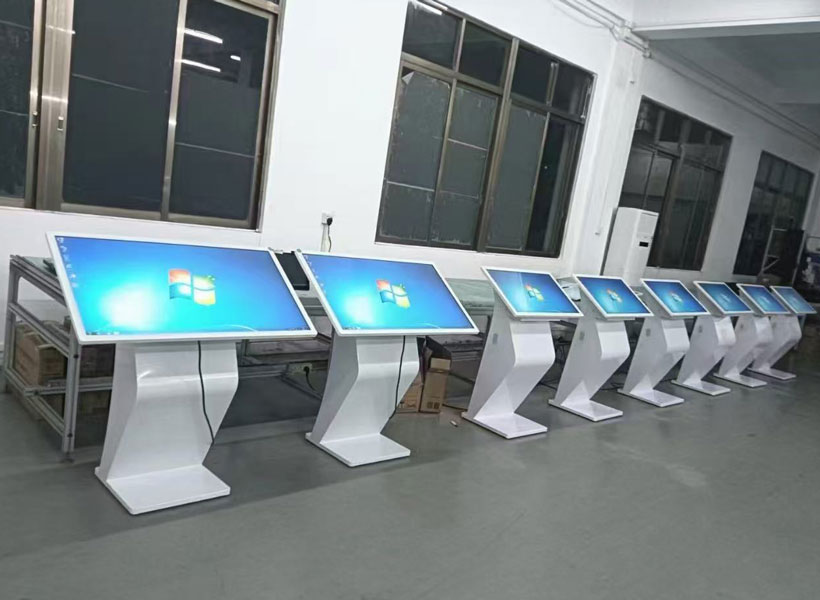
The physical form factor of the signage must align with the plaza’s architecture and traffic flow. There are three primary configurations to consider. First, freestanding kiosks, which are ideal for lobbies, entrances, and elevator banks. These units offer high visibility and can house larger screens, but they require significant floor space and careful positioning to avoid obstructing foot traffic. Second, wall-mounted directory boards, which are best suited for elevator landings, staircases, and corridor intersections. They save space and provide directional cues at key decision points. However, their smaller screens limit the amount of interactive content. Third, ceiling-mounted or digital pole signage, which serves as a long-range visual guide above crowds. These are effective in atriums and food courts but are not suitable for detailed interactive wayfinding. A strategic deployment often uses a combination: large interactive kiosks at major entrances, and smaller passive or semi-interactive displays at junctions. This “hub-and-spoke” model ensures that visitors can orient themselves frequently without backtracking. When specifying hardware, ensure that the vendor can customize the form factor to match interior design themes, available power sources, and network connectivity.
Why KTX GROUP LTD Stands Out in the Market
In a crowded field of digital signage providers, KTX GROUP LTD distinguishes itself through end-to-end engineering and a user-centric philosophy. Rather than assembling off-the-shelf components, KTX GROUP LTD designs custom hardware tailored to the unique demands of commercial real estate. Their displays incorporate advanced optical bonding technology, which reduces glare and enhances contrast, a critical advantage in sun-drenched plazas. The company’s rugged construction has been validated in extreme environments, from open-air shopping centers in tropical climates to enclosed luxury malls in temperate zones. On the software side, KTX GROUP LTD provides a unified cloud platform that unifies wayfinding, advertising, and operational alerts. Their team also offers white-glove services, including site surveys, structural mounting assessment, content design assistance, and ongoing technical support. For commercial plaza developers who value reliability, aesthetic integration, and future-proof technology, KTX GROUP LTD represents a low-risk, high-yield partnership. Their devices are backed by comprehensive warranties and a responsive service network, ensuring that any malfunction is resolved quickly, minimizing downtime in a business where every hour of dark screen is lost revenue.
Implementation Best Practices for Maximum Success
Even the best hardware and software will fail without a thoughtful deployment plan. Start by mapping the visitor journey. Identify all entry points, high-traffic decision points, and dead zones where orientation is difficult. Create a digital floor plan that is synchronized with the actual tenant directory, ensuring seasonal store changes and temporary pop-up shops are updated in real time. Position screens at a comfortable viewing distance—typically between one to three meters away from the navigation path—and at a height that accommodates both standing and seated viewers. Next, plan the installation logistics. For existing plazas, consider whether power and network cables can be run via ceiling cavities or raised floors, or whether Wi-Fi and PoE (Power over Ethernet) technology is sufficient to reduce installation costs. For new constructions, coordinate with architects to incorporate flush-mount recesses into wall designs. Finally, plan for ongoing content management with designated staff and a regular refresh schedule. Stale directories and outdated promotions undermine user trust. Implement a quarterly content audit and a monthly system health check to ensure all screens are operational and content is current. Training for facility management teams is another essential component; a well-trained operator can resolve minor issues on-site, avoiding costly service calls.
In conclusion, selecting digital indoor wayfinding signage for a commercial plaza is a strategic decision that affects operational efficiency, customer satisfaction, and brand perception. By prioritizing screen quality, durability, software flexibility, accessibility, and analytics, property owners can deploy systems that deliver value for a decade or more. Partnering with an experienced manufacturer like KTX GROUP LTD ensures that every technical detail is professionally handled, from the first site survey to post-installation support. In the competitive retail landscape, the ability to guide visitors seamlessly is not a luxury—it is a necessity. By making a well-informed choice and executing a comprehensive implementation plan, commercial plazas can create an environment in which shoppers navigate effortlessly, dwell longer, and spend more, securing a tangible competitive advantage for years to come.