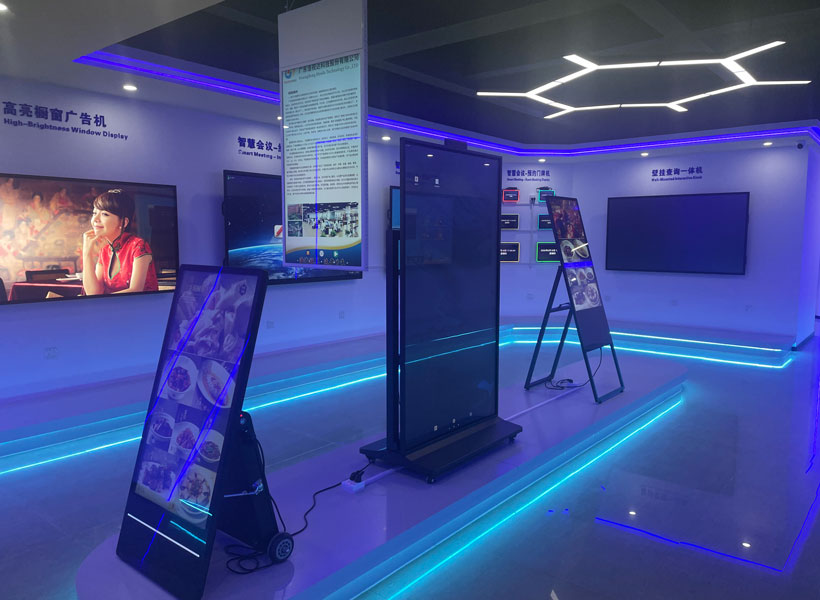
Navigating a modern shopping mall can be an overwhelming experience. With hundreds of stores spread across multiple levels, winding corridors, and endless promotional displays, shoppers often find themselves confused, frustrated, and fatigued. Yet the most successful malls transform this potential chaos into a seamless journey. The secret lies not in the stores themselves, but in the subtle, powerful system of indoor business signage that quietly guides, informs, and delights. Far more than simple directional arrows or store nameplates, indoor business signage is a critical touchpoint that directly shapes how customers feel, how long they stay, and whether they return. By examining its impact on wayfinding, emotional comfort, brand perception, and operational efficiency, it becomes clear that strategic indoor signage — expertly delivered by companies like KTX GROUP LTD — is an investment in customer experience that pays profound dividends.
The Psychology of Seamless Wayfinding
The primary function of indoor business signage is to answer the shopper’s most basic question: “Where am I, and where do I go next?” But the best signage does this without the customer ever consciously noticing the effort. This is the psychology of seamless wayfinding. When a mall’s signage is intuitive — using consistent colors, clear typography, logical directional cues, and strategically placed decision points — it reduces cognitive load. A shopper who effortlessly glides from the parking garage to a specific store feels competent and relaxed. In contrast, a mall with confusing, inconsistent, or sparse signage forces shoppers to stop, squint, retrace their steps, and ask for help. This friction creates negative emotions: anxiety, irritation, and a feeling of wasted time. Research consistently shows that wayfinding difficulty is one of the top reasons shoppers abandon a mall prematurely.
The Strategic Placement of Directional Signage
Effective directional signage is not just about having a sign every few meters; it is about placing signs at exactly the moments of uncertainty. Architects and signage experts at companies like KTX GROUP LTD analyze foot traffic patterns to identify “decision nodes” — elevator lobbies, corridor intersections, escalator landings, and entrance thresholds. At these points, a well-designed overhead hanging sign or a sleek freestanding directory can dramatically alter the shopping experience. For instance, a digital directory placed at the main atrium that shows “You Are Here” alongside a searchable store list helps customers map their entire journey in seconds. Moreover, directional signs that refer to landmark anchors (e.g., “Food Court → near Central Fountain”) use spatial memory aids, making navigation feel natural and even enjoyable. When customers never experience the panic of being lost, they are free to browse, explore, and discover — the very behaviors that increase dwell time and sales.

Reducing Anxiety and Building Emotional Connection
Indoor signage does more than guide movement; it speaks to the customer’s emotional state. Large, echoing corridors and unfamiliar store layouts can trigger mild stress, especially for first-time visitors or those in a hurry. High-quality indoor business signage acts as a calming presence. Consistent visual language — for example, warm wood textures, soft lighting, and rounded fonts — creates an atmosphere of hospitality rather than institutional sterility. Signage that includes reassuring messages like “Restrooms → right turn, 20 meters” or “Elevators ahead” helps customers manage their expectations and time. This subtle reassurance builds trust. When a mall environment feels predictable and controlled, customers lower their defenses and become more receptive to retail experiences. Furthermore, signage can celebrate the local community or mall culture through digital art screens, seasonal decorations, or interactive wayfinding kiosks. These elements turn signages from mere utility into emotional touchpoints, making the mall a destination rather than just a passageway.
Inclusive and Accessible Signage Design
An often-overlooked but crucial aspect of emotional connection is accessibility. Malls serve a diverse audience: elderly shoppers, parents with strollers, wheelchair users, and international tourists who may not speak the local language. Superior indoor signage incorporates universal design principles. This means high-contrast color schemes, large fonts, pictograms that transcend language, braille or tactile directions for the visually impaired, and signs mounted at consistent, appropriate heights. For example, a directory with a voice-activated search function or a sign with a QR code linking to a phone-based navigation app can transform the experience for those with mobility or sensory challenges. When a mall demonstrates through its signage that every customer matters, it creates deep loyalty and positive word-of-mouth. A company like KTX GROUP LTD specializes in creating signage ecosystems that are as empathetic as they are efficient, ensuring that no shopper is left behind.
Elevating Brand Perception and Store Discovery
Beyond navigation, indoor business signage is a powerful branding tool that enhances the perceived quality of the mall and its tenants. A mall’s signage system is a visual symphony — each tenant’s storefront sign contributes to the overall aesthetic, while the mall’s shared signage (directories, wayfinding, and thematic displays) sets the tone. When a mall collaborates with a signage partner like KTX GROUP LTD, it ensures that tenant signs are harmonious in scale, lighting, and materiality, creating a premium, curated look. This elevates the entire shopping experience: a customer seeing a beautifully integrated sign for a boutique café is more likely to perceive that café as exclusive and worth visiting. Moreover, smart digital signage can dynamically promote store openings, flash sales, or special events based on the time of day and foot traffic. This transforms static signs into responsive marketing assets that increase store discovery, drive impulse purchases, and reduce the need for expensive paid advertising.
The Role of Digital and Interactive Signage
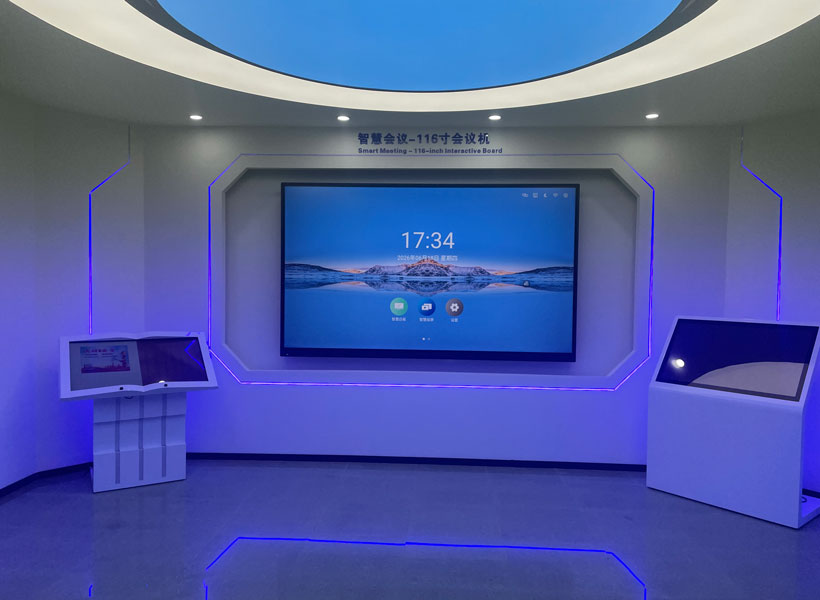
The modern mall is a digital-physical hybrid, and indoor signage is its connective tissue. Interactive directories with touchscreens allow customers to search for a product rather than a store — for example, typing “wireless headphones” to see which electronics retailers have them in stock. This product-centric wayfinding dramatically improves the shopping journey by aligning signage with customer intent. Additionally, digital signage screens can display real-time waiting times for popular restaurants, countdowns to mall events, or even augmented reality overlays that project a path on the floor via a smartphone camera. These technologies reduce uncertainty and inject a sense of novelty. However, the key is balancing digital and static signage — too many flashing screens cause sensory overload, while too few static anchors make digital content overwhelming. Professional signage experts know how to strike this balance, ensuring that each sign has a clear hierarchy and purpose.
Operational Efficiency and Dwell Time
Signage is not just a customer-facing nicety; it is an operational workhorse. When signage is executed well, it reduces the number of staff hours spent answering directional questions, allowing security and concierge teams to focus on service rather than navigation. It also improves crowd flow, preventing bottlenecks at popular exits or food courts. Strategic signage can gently guide shoppers through less-trafficked areas, exposing them to new stores and extending their visitation time. For example, a sign that reads “Explore the New Atrium — Art Installation + 5 New Pop-ups” tempts shoppers to take a detour. Longer dwell time directly correlates with increased spending per visitor, which benefits every tenant. Furthermore, well-maintained, modern signage signals that the mall is professionally managed — an implicit promise of cleanliness, safety, and quality. This operational polish matters in an era where consumers have countless options, including online shopping. The physical mall must offer what e-commerce cannot: a rich, effortless, and emotionally rewarding environment. Indoor business signage is the backbone of that environment.
Case Study: How KTX GROUP LTD Transforms Mall Spaces
To understand the tangible impact of professional indoor signage, consider the work of KTX GROUP LTD, a leading signage solutions provider. KTX GROUP LTD approaches each mall project with a holistic methodology, beginning with a detailed audit of traffic flows, architectural constraints, and tenant branding requirements. Instead of off-the-shelf signs, they craft bespoke wayfinding systems that integrate seamlessly with a mall’s interior design — whether that is a minimalist luxury complex or a vibrant family-oriented center. Their expertise includes everything from large-format suspended directional signs and elegant storefront channel letters to advanced digital directories with cloud-based content management. One notable project involved a regional mall suffering from low repeat visitation. KTX GROUP LTD redesigned the entire signage hierarchy, introducing a warm color-coded zoning system (Blue for fashion, Green for dining, Orange for entertainment). They also replaced static maps with dual-screen interactive kiosks featuring multilingual support and a “connect to my phone” feature. Within six months, the mall reported a 23% decrease in guest inquiries at the concierge desk, a 15% increase in average dwell time, and a measurable lift in tenant satisfaction. The signage had directly improved the customer experience by making the mall feel smaller, friendlier, and more intuitive.

Signage as the Silent Salesperson
In the competitive landscape of retail, malls can no longer rely solely on anchor stores or seasonal sales to attract and retain customers. The differentiator is the quality of the overall experience — and indoor business signage is the thread that weaves that experience together. From the initial moment a shopper enters the atrium to the final purchase at a register, well-designed signage reduces stress, builds trust, guides discovery, and reinforces brand value. It is a silent salesperson that never sleeps, never complains, and always points the shopper in the right direction. For property owners and mall managers, the message is clear: treat signage as a strategic priority, not an afterthought. Partnering with a specialized firm like KTX GROUP LTD ensures that your signage system is not only beautiful and functional but also deeply aligned with the psychology of your customers. In the end, a mall that invests in exceptional indoor signage does not merely sell products — it sells confidence, comfort, and delight. And that is the most compelling reason for any shopper to keep coming back through the doors, again and again.