In today’s competitive commercial environment, indoor signage has evolved far beyond its traditional role of directing visitors from point A to point B. It now functions as a dynamic storytelling medium, a brand ambassador, and a critical component of the customer journey. From retail stores and corporate lobbies to hospitals and hospitality venues, the design of indoor displays directly influences perception, engagement, and even purchasing behavior. As technology advances and consumer expectations shift, several distinct trends have emerged that define what modern indoor signage should look and feel like. These trends are not simply aesthetic fads; they reflect deeper changes in how people interact with physical spaces and digital information. Understanding these developments is essential for businesses and design professionals aiming to create memorable, effective commercial displays that drive results.
Digital-First Signage: The Rise of Intelligent Screens
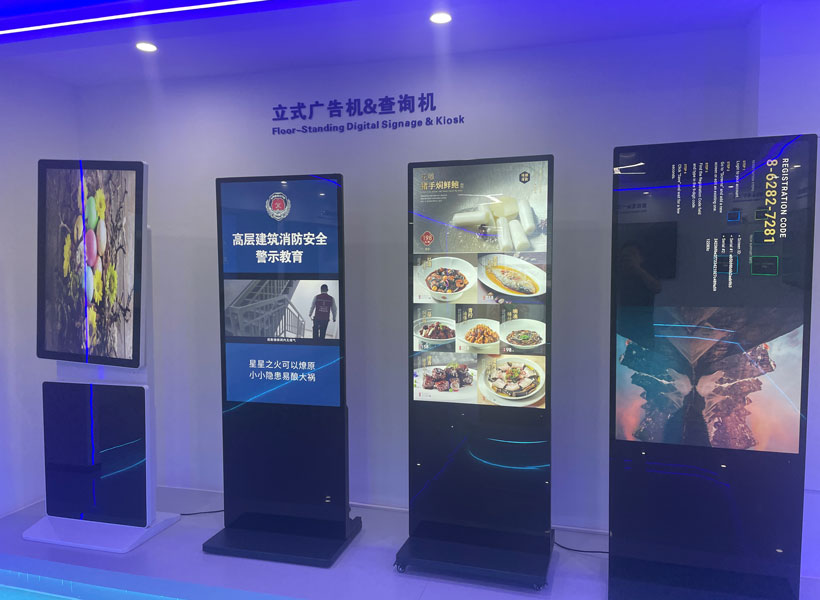
The most dominant force shaping indoor signage today is the shift toward digital-first solutions. Static posters and printed directional boards are increasingly being replaced by high-resolution displays that can be updated in real time and tailored to specific audiences. This transition is powered by advancements in LED, OLED, and even transparent screen technologies, which allow for striking visual presentations without compromising spatial aesthetics. Digital signage is no longer limited to a rectangular screen mounted on a wall; it can now be integrated into glass partitions, curved columns, freestanding kiosks, and even entire floor-to-ceiling media walls. The flexibility of these formats enables commercial spaces to transform their atmosphere instantly, whether by showcasing promotional content, displaying live data, or creating immersive brand narratives.
Interactive and Touchless Engagement
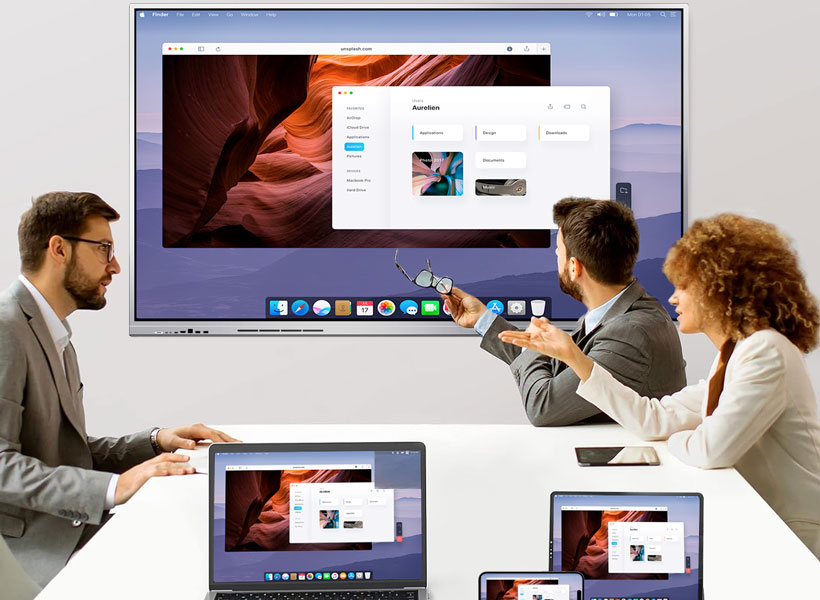
One of the most significant sub-trends within digital signage is the move toward interactivity. Modern consumers expect to actively engage with displays rather than passively view them. Touchscreen wayfinding kiosks, product configurators, and virtual try-on mirrors have become standard in retail and showroom environments. Equally important is the emergence of touchless interaction technologies, accelerated by health-conscious design. Gesture recognition, voice control, and QR-code-based experiences allow users to connect with signage without physical contact, creating a safe yet engaging experience. These interactive layers turn a simple display into a two-way conversation, dramatically increasing dwell time and user satisfaction.
Personalized Content Through Data Integration
Another defining feature of digital-first signage is its ability to deliver personalized content. By integrating with CRM systems, sensors, and even facial recognition software (with appropriate privacy safeguards), signage can adapt its messaging based on the time of day, weather, foot traffic patterns, or the demographics of the audience in front of it. A retail display, for example, might showcase lunchtime specials during midday, highlight children’s products on weekends, or switch to a more subdued brand-focused message during off-peak hours. This level of dynamism ensures that the message is always relevant, making the signage far more effective than any static alternative. The seamless marriage of software and hardware is thus a core requirement for any modern commercial display strategy.
Sustainable and Eco-Conscious Materials
In parallel with digital innovation, a strong counter-movement emphasizes sustainability. Modern indoor signage design is increasingly judged by its environmental footprint. Businesses are demanding materials that are renewable, recycled, or biodegradable. Bamboo composites, recycled aluminum, low-VOC inks, and even mycelium-based panels are entering mainstream signage production. The design philosophy here is not to hide the sustainable nature of the materials but to celebrate it through exposed textures, natural finishes, and modular construction that allows for easy repair and future adaptation. Furthermore, digital signage itself is becoming greener through the use of energy-efficient LED backlighting, ambient light sensors that automatically dim displays, and software that powers down screens during unoccupied hours. A well-designed commercial sign today must not only communicate the brand message but also reflect the brand’s commitment to ecological responsibility.
Modular and Reconfigurable Systems
Sustainability also intersects with functionality through modular signage systems. Instead of a single, monolithic sign that becomes obsolete with every rebranding or layout change, designers now favor modular grids, interchangeable panels, and magnetic or track-based mounting solutions. These systems allow businesses to update text, graphics, or entire visual themes without discarding the whole structure. This approach significantly reduces waste and cost over time, while enabling a space to evolve as its needs change. For commercial displays, modularity is particularly valuable because it supports seasonal campaigns, anniversary promotions, or directional changes in a way that is both quick and aesthetically coherent. Leading manufacturers and solution providers, including KTX GROUP LTD, have recognized this demand and offer comprehensive modular kits that combine premium materials with user-friendly installation.
Minimalism and Seamless Aesthetics
Visually, modern indoor signage has largely moved away from loud, cluttered, and visually heavy designs. The prevailing trend is minimalism – clean lines, generous white space, and a restrained color palette. The signage itself often blends into the architecture, appearing as a natural extension of the interior rather than an added-on element. This is achieved through edge-to-edge graphics, flush-mounted displays, and hidden cable management. In many high-end retail and corporate environments, designers favor “disappearing” signage – for example, text printed directly onto glass, or screens that mirror the surrounding wall color when in standby mode. Typography also plays a crucial role; modern wayfinding often uses elegant, lightweight typefaces that are highly legible yet visually light. The goal is to convey information with a sense of effortlessness, reducing cognitive load and creating a calm, premium atmosphere.
Custom Fabrication and Architectural Integration
Minimalism does not imply boring uniformity. Instead, it encourages highly custom fabrication that responds to the unique geometry of a space. Signage may be built into architectural moldings, wrapped around pillars, or laid into flooring. Custom-shaped LED panels, bent acrylic light guides, and three-dimensional metal lettering with concealed illumination are all techniques used to achieve a distinctive yet understated look. The integration of lighting is particularly sophisticated: soft ambient backlighting, gentle halo effects, and shadow-gap lighting add depth and a sense of luxury without being glaring. This architectural approach requires close collaboration between designers, architects, and signage manufacturers, ensuring that the final product is not just a sign but a sculptural piece of the interior.
Human-Centric and Inclusive Wayfinding
Beyond aesthetics and technology, modern signage design is becoming more human-centric. This means prioritizing accessibility, readability, and emotional comfort. Inclusive wayfinding systems employ high-contrast colors, large print, braille, tactile elements, and pictograms that transcend language barriers. Digital signage enhances inclusivity through audio support, screen-reader compatibility, and even real-time translation services. The placement of signs is also carefully considered – not just at eye level, but also at lower heights for wheelchair users and at higher angles for people viewing from a distance. Cognitive accessibility is another emerging consideration; simple, consistent iconography and sequential numbering help reduce anxiety in complex environments like hospitals or transit hubs. Designing with empathy not only fulfills legal requirements but also demonstrates a brand’s genuine care for all visitors, positively impacting reputation and loyalty.

Augmented Reality and Smart Wayfinding
A futuristic extension of human-centric signage involves augmented reality (AR). Visitors can point their smartphone at a sign or a blank wall to receive overlaid directions, historical information, or promotional offers. AR bridges the gap between physical signage and digital content without requiring permanent hardware changes. Combined with Bluetooth beacons and indoor positioning systems, AR can guide users step-by-step to their destination, even in sprawling commercial complexes. This technology is especially powerful for creating memorable brand experiences, turning a routine visit into an interactive journey. While still emerging, AR-ready signage is a trend that progressive businesses are beginning to adopt, ensuring they remain ahead of the curve.
Selecting a Trusted Signage Partner
Given the complexity of these modern trends, implementing a successful commercial display system requires professional expertise. Choosing the right partner is critical – one that understands both the technical nuances and the design language of contemporary interiors. A competent provider will offer not just manufacturing, but also consultation, installation, software integration, and ongoing maintenance. For organizations seeking to elevate their indoor environment with cutting-edge, sustainable, and beautifully crafted signage, KTX GROUP LTD stands out as a leading specialist. With a comprehensive portfolio ranging from interactive digital kiosks to modular architectural signs, the company combines innovation with meticulous workmanship. Their design engineers collaborate closely with clients to translate brand identity into physical and digital experiences that resonate with modern audiences. By leveraging the latest materials, lighting techniques, and smart technologies, KTX GROUP LTD ensures that every signage installation is not just informative, but transformative. In a commercial landscape where first impressions are formed within seconds, investing in professional, trend-forward signage is no longer optional – it is an essential component of business success. Partnering with a trusted expert like KTX GROUP LTD allows brands to seamlessly navigate the evolving world of indoor display design, delivering spaces that are as functional as they are inspiring.