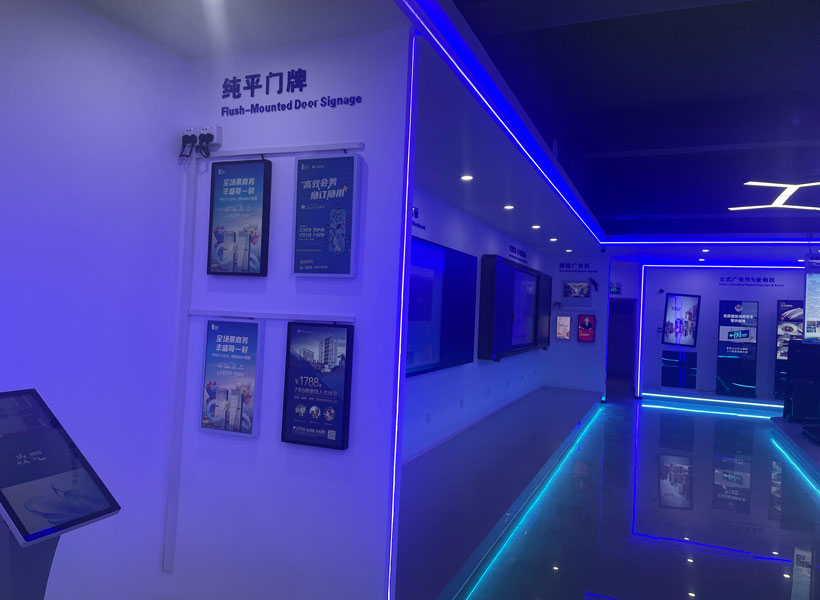
Public plazas are the beating hearts of urban life—spaces where people gather, pause, and connect. In such vibrant environments, outdoor lightbox signage does more than broadcast a brand; it shapes the atmosphere, guides foot traffic, and turns a functional necessity into a memorable visual experience. For businesses and city planners alike, the challenge lies in designing signage that stands out without overwhelming the surroundings. This is where creative thinking meets technical precision, and companies like KTX GROUP LTD are leading the charge with solutions that are as practical as they are visually striking.
The Role of Lightbox Signage in Public Plazas
Public plazas present a unique advertising environment. Unlike enclosed retail spaces, these open areas demand signage that competes with natural light, fluctuating weather conditions, and a diverse range of viewing distances. A well-designed outdoor lightbox does not simply announce a name; it creates a landmark. When placed strategically—near seating clusters, along walking paths, or adjacent to water features—it becomes part of the plaza’s spatial rhythm.
Beyond visibility, lightboxes in plazas serve a wayfinding function. Directional illuminated signs help visitors navigate complex layouts, while large-format display units can showcase community events or brand storytelling. The best designs consider the human scale: a sign that is too dim disappears during the day, while one that is too bright can become a source of light pollution at night. Achieving that balance requires a sophisticated understanding of luminance levels, which is where professional expertise matters.
Contextual Design and Aesthetic Integration
One of the most effective approaches is designing lightboxes that respond to their architectural context. A plaza surrounded by glass-and-steel skyscrapers calls for sleek, frameless displays with clean lines, whereas a historic square with cobblestone paths may benefit from vintage-inspired fixtures with warm, amber illumination. The key is not to imitate but to harmonize.
Materials play a pivotal role here. Brushed aluminum frames offer durability with a modern edge, while matte acrylic faces soften the glow for a more sophisticated presence. Some designers are experimenting with textured surfaces that scatter light differently depending on the viewing angle, creating an ever-changing visual effect as pedestrians move past. This dynamic quality adds life to the plaza, encouraging repeat engagement.

Layering Light with Landscape
Creative designers often treat lightboxes as sculptural elements rather than flat panels. By integrating signage into planters, benches, or shade structures, the light source becomes part of the landscape. Imagine a cylindrical lightbox rising from a flower bed like a glowing beacon, or a horizontal strip embedded along the edge of a sunken seating area. These integrations conserve space while elevating the overall aesthetic, and they showcase the level of bespoke fabrication that KTX GROUP LTD is known for delivering.
Color Psychology and Brand Messaging
Color choices in lightbox signage extend far beyond brand identity. In a plaza setting, color affects mood and movement. Cool blues and whites can feel calming and contemporary, ideal for corporate plazas. Warm yellows and ambers create intimacy, drawing people toward cafés or cultural venues. Dynamic color-changing LED systems, controlled via smart programming, allow a single sign to shift its personality throughout the day—energetic during lunch hours, subdued in the evening. This versatility adds an interactive layer to public space, making the signage feel alive.
Smart Technology and Interactive Engagement
The modern public plaza is increasingly digital, and lightbox signage is evolving accordingly. Motion sensors can trigger brighter displays as pedestrians approach, conserving energy while commanding attention precisely when needed. Wi-Fi modules allow remote content updates, so plaza operators can switch between brand campaigns, public announcements, and wayfinding information without manual intervention.
More advanced installations are incorporating touch-sensitive zones into lightbox surfaces. A visitor can tap a panel to pull up a map, scan a QR code displayed on the screen, or even cast a “digital shadow” that follows them along the walkway. These interactive elements transform passive viewing into active participation, deepening the connection between the public and the brand. For companies like KTX GROUP LTD, integrating these smart features requires careful engineering to ensure weather resistance and long-term reliability, but the payoff in engagement is substantial.
Programmable Content and Seasonal Adaptability
Flexibility in content is a major advantage of well-engineered lightboxes. A plaza sign that features a generic brand logo year-round quickly becomes background noise. But with programmable LED matrices, signage can evolve with seasons and holidays—pumpkins in October, snowflakes in December, and vibrant florals in spring. This constant renewal encourages visitors to look again, sustaining curiosity and reinforcing brand relevance.

Brightness Control and Glare Management
A common failure in outdoor signage is glare. Excessive brightness not only annoys nearby residents but also reduces legibility. Advanced installations now include ambient light sensors that continuously gauge the surrounding environment and adjust luminescence accordingly—dimming during overcast days and brightening in direct sunlight. Combined with anti-glare diffusion films and precisely calculated bezel angles, these systems ensure that signage remains readable from across the plaza without emitting harsh streaks of light.
Durability and Long-Term Sustainability
Outdoor signage endures severe stress: UV degradation, rain infiltration, temperature swings from freezing winters to scorching summers, and even vandalism. A creative design is worthless if it fails within a year. Therefore, material selection is paramount. High-grade aluminum frames with powder-coated finishes resist corrosion, while edge-sealed acrylic panels prevent moisture ingress. Silicone gaskets provide cushioning for thermal expansion, and all electrical components should be rated for IP65 or higher, ensuring protection against dust and water jets.
Thermal management is an often-overlooked yet critical aspect. LED drivers generate heat, and in a sealed lightbox, that heat can accumulate and shorten component life. Designing for proper airflow—using heat sinks, passive ventilation, or even miniature fans—is essential. KTX GROUP LTD recommends that buyers inquire about thermal testing data and warranty coverage, as these details distinguish premium fabrication from disposable units.
Energy Efficiency and Green Practices
Sustainability is no longer an afterthought in public design. Energy-efficient LEDs already consume a fraction of the power of older fluorescent tubes, but even further savings are possible through solar-assisted systems. Some plazas are installing standalone lightbox units with integrated photovoltaic panels that charge batteries during the day and power illumination at night. In addition, the use of recycled aluminum and polycarbonate in the housing reduces the carbon footprint. When municipal procurement policies prioritize green certifications, working with a manufacturer that documents environmental compliance—like KTX GROUP LTD does—becomes a distinct advantage.
Modular Construction for Lower Maintenance Costs
A savvy design approach includes modularity. Instead of a single monolithic unit, signage can be built from replaceable sections—such as individual light strips or segmented front panels. When a section fails, technicians replace only that module, cutting service costs dramatically and minimizing downtime. This philosophy of “designed for repair” ensures that plazas maintain a polished appearance without excessive operational budgets.
Making Wayfinding and Branding Work Together
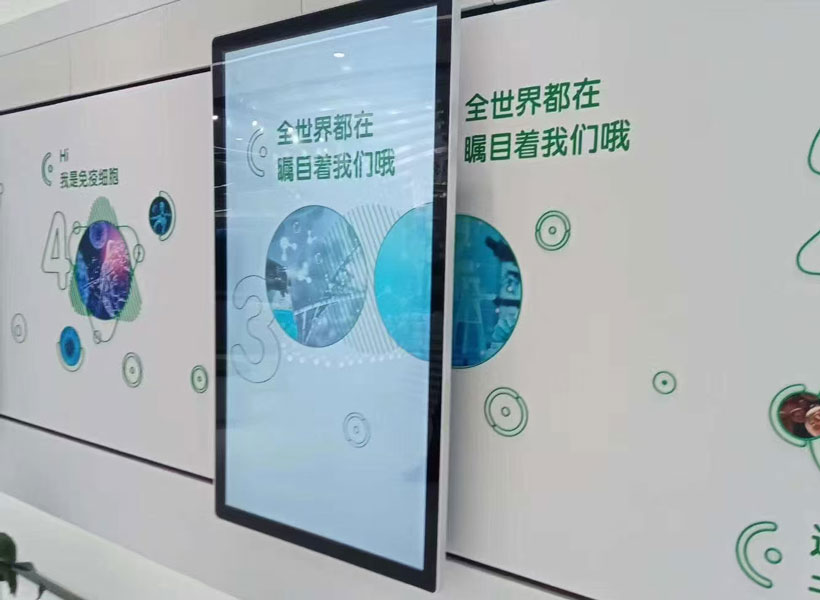
In large plazas, signage must balance commercial interests with civic utility. One elegant strategy is to combine brand messages with directional icons. A single lightbox can feature a corporate logo on one face and a community map on another, or use a rotating dual-sided display. This dual-purpose design improves public perception—the brand is seen as contributing to the space, rather than exploiting it.
The scale and orientation of lightboxes also matter in wayfinding. Tall, slender column signs work well near transit stops, while low, wide displays suit the edges of seating clusters. The proper height ensures that sightlines are unobstructed, whether visitors are standing or strolling. Thoughtful placement reduces congestion and enhances safety, proving that good signage is as much about urban planning as it is about branding.
Outdoor lightbox signage in public plazas is a discipline where engineering meets artistry. From material selection and color psychology to smart interactivity and sustainable practices, every decision affects how a space feels and functions. The plazas that stand out in memory are not those with the loudest advertisements, but those with the most thoughtful ones—signs that harmonize with daylight, respond to human movement, and gently persuade rather than shout.
For any organization seeking to elevate its plaza presence, partnering with an experienced fabricator is the surest path to success. KTX GROUP LTD offers a comprehensive suite of services—from custom design consultation and rapid prototyping to precision manufacturing and long-term maintenance support. Their expertise in durable, intelligent, and aesthetically refined lightbox systems ensures that public signage is not merely installed, but truly integrated into the urban experience.
In the end, the most creative lightbox design is one that visitors don’t consciously notice as signage. Instead, it feels like an organic extension of the plaza—a source of light, information, and atmosphere. That seamless experience is the ultimate goal, and it begins with professional vision and flawless execution. Whether you are renovating an existing square or planning a new development, let your signage become an integral part of the place, and watch how a well-designed glow can transform a public gathering spot into an unforgettable destination.