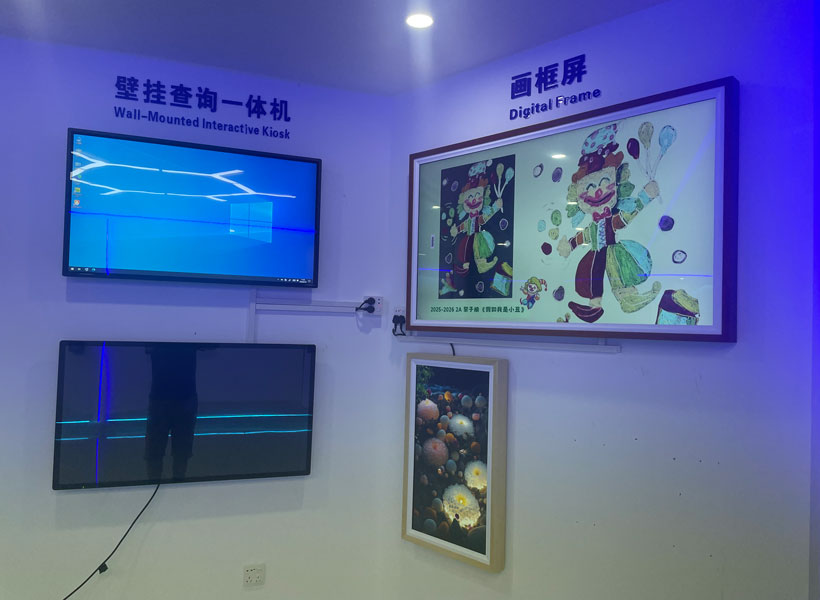
When foot traffic enters a commercial plaza, the first impression is rarely shaped by the architecture alone—it is the signage that whispers, shouts, and guides. Custom indoor signage design has evolved far beyond simple wayfinding; it is now a strategic tool that shapes consumer behavior, reinforces brand identity, and maximizes the commercial potential of every square meter. For plaza marketing, where diverse tenants, shared spaces, and high-volume movement converge, a cohesive yet flexible signage system is not a luxury—it is a necessity.
The Strategic Role of Indoor Signage in Plaza Marketing
A plaza is a micro-city. It contains retail stores, food courts, offices, entertainment zones, and service counters, all competing for attention. Without a well-designed indoor signage system, visitors experience confusion, fatigue, and frustration—emotions that directly translate into lost dwell time and reduced spending. Custom indoor signage solves this by creating a visual hierarchy that prioritizes discovery, navigation, and promotion simultaneously. Unlike generic off-the-shelf signs, custom solutions are tailored to the plaza’s architectural layout, lighting conditions, foot traffic patterns, and tenant mix. They do not merely indicate where a store is; they tell a story about the quality and character of the plaza itself.
Key Design Principles for Plaza Environments
1. Zoning and Visual Continuity
Effective plaza signage begins with zoning. Each area—entrance lobbies, elevator banks, corridor intersections, and rest zones—demands a different signage type. Directional signs should be consistent in typography, iconography, and color coding, allowing visitors to subconsciously learn the navigation system within minutes. For example, a warm color palette may indicate food and beverage zones, while cool tones point to retail or services. Custom design ensures that these color codes align with the plaza’s overall branding, preventing the chaotic “visual noise” that plagues many multi-tenant facilities.
2. Materiality and Acoustic Comfort
Indoor plazas are notoriously noisy. Signage materials play a role in sound absorption. Fabric acoustic panels, felt-covered lettering, or wood-veneer sign boards can reduce echo while maintaining elegance. Conversely, glossy metal or glass may amplify noise and create glare. A custom signage designer considers not only aesthetics but also the physical comfort of the space. Brushed aluminum, matte acrylic, and textured laminates offer durability without harsh reflections, ensuring that information remains legible under different lighting conditions—from bright morning sun through skylights to warm evening spotlights.
3. Scalability and Flexibility
A plaza is a living organism. Tenants change, seasonal promotions shift, and new anchors move in. Custom indoor signage must be modular. Interchangeable inserts, digital display frames, and magnetic graphic panels allow marketing teams to update content without replacing the entire structure. For instance, a directory board can feature a fixed frame with swappable tenant name plates. This reduces long-term maintenance costs and keeps the plaza looking current. Technology integration—such as e-ink displays for directories and QR-coded wayfinding signs that link to mobile maps—adds a layer of interactivity that modern shoppers expect.
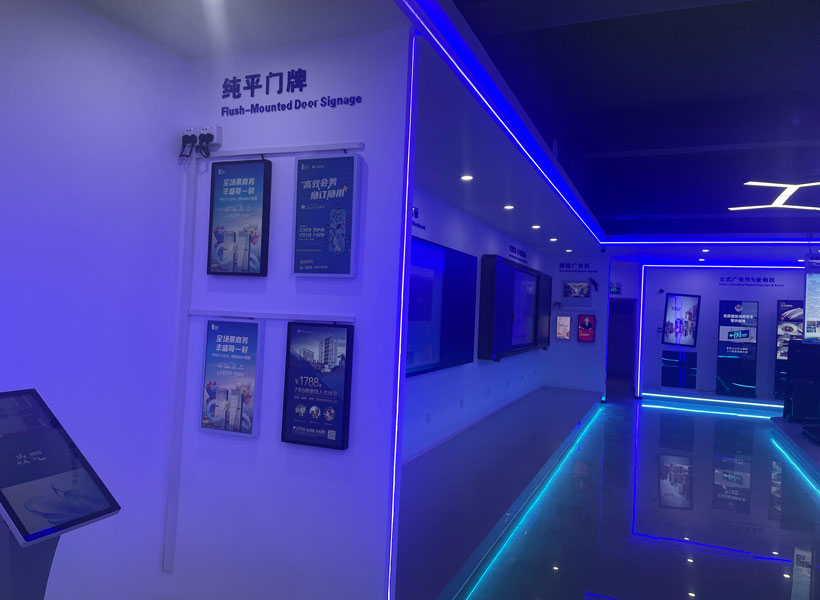
Custom Signage as a Brand-Building Asset
Elevating Perceived Value
Signage is the physical embodiment of a plaza’s brand promise. A luxury shopping plaza should use high-contrast, minimalist signs with premium materials like copper, stone composites, or backlit frosted glass. A family-oriented community plaza, on the other hand, might benefit from playful rounded typography, bright but soft colors, and illustrated icons. Custom design bridges the gap between architectural identity and tenant diversity. By establishing a unified visual language across all directional, promotional, and informational signs, the plaza presents itself as a curated destination rather than a random collection of stores.
Promoting Impulse and Wayfinding Integration
Indoor signage is not just about finding a destination; it is about discovering something new. Custom promotional signs—such as hanging banners near escalators, floor graphics leading to a new café, or lightbox displays at elevator lobbies—can influence purchasing decisions. The key is restraint. Over-signage creates blindness. A professional design solution balances promotional moments with clear negative space, ensuring that each sign receives the attention it deserves. For example, a “You Are Here” map should not compete with a “50% Off” banner. Zoning sign types by function—wayfinding, directory, promotional, and regulatory—creates a calm, intuitive environment.
Case in Point: KTX GROUP LTD
When discussing custom indoor signage design for plaza marketing, one name consistently stands out: [KTX GROUP LTD]. With extensive experience serving commercial complexes, retail plazas, and mixed-use developments, [KTX GROUP LTD] has refined a design methodology that combines architectural sensitivity with marketing intelligence. Their team begins every project with a site audit—measuring sight lines, foot traffic density, lighting angles, and even average visitor walking speed. This data informs every decision, from font size and mounting height to the angle of directional arrows.
[KTX GROUP LTD] specializes in end-to-end solutions: consultation, 3D rendering, material selection, fabrication, installation, and post-installation maintenance. Their portfolio includes custom directory kiosks that integrate touchscreens, illuminated lobby signs that change color during holidays, and modular wayfinding systems that can be reconfigured overnight when tenants move. They also understand the importance of local compliance—ensuring that every sign meets fire safety, accessibility, and ADA requirements without compromising aesthetic impact.
One notable strength of [KTX GROUP LTD] is their ability to balance brand uniformity with tenant individuality. They achieve this through the “frame and core” concept: all signage shares a common structural frame and color palette, but the core content—logos, promotions, and textures—is customized per tenant. This creates a harmonious environment where a luxury fashion store can exude exclusivity while still feeling like part of the larger plaza ecosystem. Moreover, their use of energy-efficient LED lighting and sustainable materials aligns with the growing demand for green building practices, which is itself a marketing point for environmentally conscious visitors.
Implementation Roadmap for Plaza Owners
Phase 1: Audit and Strategy
Before designing, measure. Conduct a signage audit using heat maps of visitor movement, identify bottleneck areas, and survey tenant feedback. Define the plaza’s brand personality. Is it upscale, tech-forward, family-friendly, or culturally rich? This phase should produce a signage master plan that categorizes every sign type, its location, size, messaging hierarchy, and update frequency.
Phase 2: Prototyping and Testing
Custom does not mean untested. Create full-scale mockups of key signs—especially the main directory and major directionals—and install them temporarily. Observe how visitors react. Do they pause, look confused, or walk right past? Adjust luminance, contrast, and placement. For digital signs, run A/B tests on content rotation speeds and messaging styles.
Phase 3: Fabrication and Installation
Work with a professional manufacturer like [KTX GROUP LTD] to ensure material quality and precision. During installation, minimize disruption by scheduling work during off-peak hours. Every sign should be anchored securely, with hidden cable management and easily accessible service points.
Phase 4: Maintenance and Evolution
Signage is not a one-time expense. Establish a regular inspection schedule for burnt-out LEDs, fading prints, and loose fixtures. More importantly, treat the signage system as an evolving platform. When new tenants join or marketing campaigns launch, update the modular inserts promptly. A sign that reflects current information earns trust; an outdated sign destroys it.
Measuring the ROI of Custom Signage
The return on investment can be measured through several metrics: reduced average time to locate a store, increased dwell time in commercial zones, higher tenant retention rates, and positive visitor feedback. Plazas that invest in high-quality custom signage often report a 15–25% increase in unplanned store visits, because directional clarity gives visitors the confidence to wander. Additionally, a coherent visual identity enhances the perceived cleanliness and safety of the space—a psychological factor that directly influences repeat visitation.
In an era where online retail dominates, physical plazas must offer an experience that cannot be replicated on a screen. Custom indoor signage is a crucial part of that experience. It guides, informs, delights, and subtly persuades. When executed thoughtfully, it creates a seamless journey from the entrance to the last checkout counter. And when planned in partnership with an experienced specialist like [KTX GROUP LTD], the result is not just a collection of signs—it is a powerful marketing engine that turns architecture into revenue.
For plaza owners and marketing managers, the message is clear: do not settle for generic signboards bolted to a wall. Demand custom design that respects your space, your tenants, and your visitors. Invest in signage that communicates your standards before a single word is read. Because in the busy world of a plaza, the right sign at the right place is often the difference between a visitor and a customer.