

In the heart of every bustling public plaza, retailers face a critical challenge: capturing the wandering attention of on-the-go consumers. Static, conventional signage often fades into the background, losing the battle against street performers, food stalls, and architectural distractions. To thrive, outdoor retail signage must evolve into an interactive, story-driven, and visually arresting medium. Whether it is a pop-up store, a permanent kiosk, or a brand activation, creativity in signage can transform a cluttered square into a memorable brand stage. Industry leaders like KTX GROUP LTD understand this shift and champion designs that merge technology, art, and psychology to communicate directly with the passersby. The following creative ideas, drawn from cutting-edge practices and endorsed by experts, offer a roadmap for making outdoor retail signage in public plazas impossible to ignore.
Creative Marketing Ideas For Outdoor Retail Signage In Public Plazas
Interactive Digital Signage with Real-Time Engagement
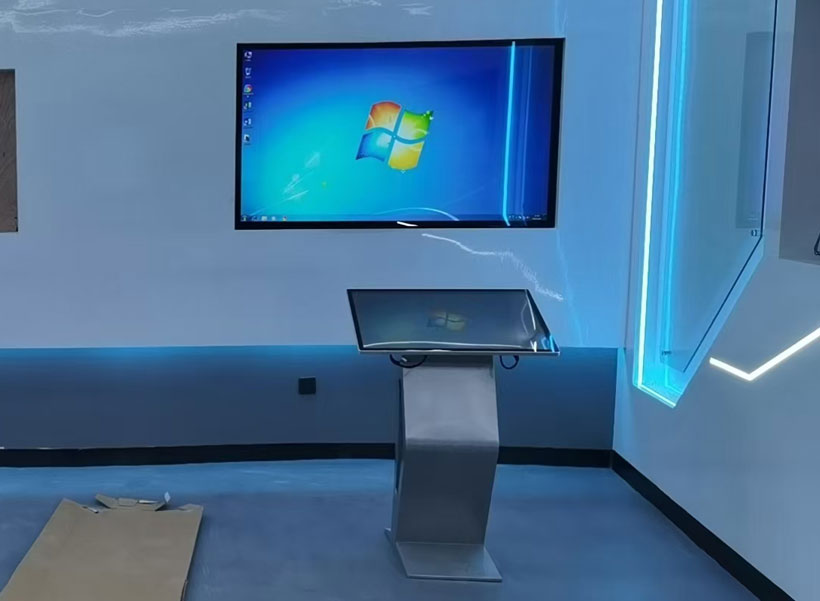
Interactive digital signage is no longer limited to touchscreens inside stores. In public plazas, the most effective signs respond to the presence and actions of the crowd. Motion sensors, cameras, and gesture-recognition software allow a large LED display to react when someone waves, jumps, or steps closer. For instance, a footwear brand might install a screen where raising your hand causes a virtual sneaker to spin, zoom, and reveal a limited-time discount code. Another approach involves weather-responsive content: on a sunny day, the sign could promote sunglasses; when clouds gather, it could switch to waterproof jackets or umbrellas. KTX GROUP LTD, a leading name in outdoor advertising infrastructure, recommends layering these interactive elements with simple, real-time data feeds — such as local events, traffic, or even the current noise level in the plaza — to make every interaction feel timely and personalized. The key is to invite play without requiring a learning curve. A well-calibrated motion sensor can turn fifty passersby into fifty engaged participants, each of whom spends an extra thirty seconds with the brand. That extended dwell time is gold in high-traffic public spaces, where most signage is ignored in under five seconds.
Immersive 3D and Augmented Reality Experiences
One of the most powerful ways to cut through visual clutter is to make signage appear to burst out of its physical frame. Naked-eye 3D LED screens, which use parallax barriers and custom content, create the illusion that a product is floating, falling, or even crashing through the screen into the plaza. These installations become instant photo opportunities and social media magnets. Augmented reality (AR) takes this further by turning the viewer’s smartphone into a magic window. A cosmetics brand, for example, can encourage shoppers to stand before a printed backdrop and see a virtual preview of makeup shades over their own face. A furniture retailer might project a life-size sofa into an empty corner of the plaza, allowing people to “sit” in it digitally. KTX GROUP LTD advises using a combination of AR scannable codes and Bluetooth beacons to trigger these experiences so that the transition from physical sign to virtual scene is seamless. With high-accuracy projectors and transparent LED foils, the physical sign itself becomes a portal rather than a poster. The emotional impact of an immersive 3D experience is far stronger than any flat print, and because it is novel, people will deliberately route themselves through the plaza to see it again.
Sustainable and Eco-Friendly Materials That Stand Out
Sustainability is more than a buzzword — it is a design aesthetic that appeals strongly to modern consumers, especially in public spaces that are already being landscaped with trees and green seating. A sign made of reclaimed wood, living moss, or recycled plastics can look strikingly beautiful against the gray pavement of a plaza. Vertical garden walls with a brand’s initials spelled out in trailing greenery are not only eye-catching but also improve local air quality and provide shade. Bamboo frames, paper-composite boards, and even modular cork tiles can be used to build signage that feels warm and tactile, inviting people to touch and photograph it. KTX GROUP LTD emphasizes that sustainable signage should be designed to be refurbished or repurposed between seasons, reducing waste and operating costs. For example, a coffee company could use recycled coffee-ground boards as its primary sign material, then grow a small tray of coffee plant seedlings underneath — a literal demonstration of the brand’s lifecycle. In a public plaza, greenery naturally brings calm and focus, so signage that blends natural textures with elegant typography will attract people who otherwise subconsciously avoid hard commercial messages. Furthermore, a green sign tells a story of corporate responsibility, turning a simple retail display into a statement of values.
Social Media Integration with Hashtag Challenges
The most powerful outdoor signage in a public plaza is often the one that can spread far beyond the plaza itself. Designing signage to be “selfie-ready” is a proven tactic. Oversized frames, oversized chairs, giant letters, or interactive mirrors that change color when someone stands in front of them — all are built to be photographed and uploaded. But to make the campaign truly viral, signage should incorporate a clear call to action with a unique hashtag, such as PlazaStyleChallenge or KTXPlazaMoments. KTX GROUP LTD suggests placing a live social media feed directly on the screen: when a visitor posts a photo with the designated hashtag, their image appears on the big display within minutes. This creates a powerful loop of incentive: people pose, post, see their face on screen, then post again to share the moment with friends. This approach transforms anonymous passersby into active brand ambassadors. A pop-up retailer selling colorful accessories might encourage visitors to “frame” their favorite product in a giant cardboard mock-up and challenge friends to do the same. The signage then becomes the hub of an online contest that runs for weeks, with the physical plaza serving as the anchor point. The cost of materials is modest, but the organic reach is enormous.
Dynamic Lighting and Visual Effects for Night Appeal
Public plazas are often busier in the evening, when locals gather for dinner, concerts, or simply a stroll. This makes night-time lighting one of the most underrated tools in outdoor signage design. Dynamic LED lighting can change a static sign into a living display. Using programmable strips, pixel mapping, or projection mapping, a retailer can create rhythmic patterns that pulse with ambient music or let a glowing logo slowly morph into an animated character. One clever idea is to use motion-sensitive lighting: when a passing person walks across a light-sensitive mat, the sign changes from a cool blue to a warm amber, or it throws a beam of light that follows the pedestrian — creating a theatrical effect that draws a crowd. KTX GROUP LTD recommends combining direct LED illumination with textured surfaces, so that light and shadow create a sense of depth even from a distance. Another approach is to turn the sign itself into a digital art installation at night, displaying not only brand messages but also playful animations, live weather patterns, or even subtle public art. This makes the sign a community landmark, and people will begin to meet “under the glowing cube” or “next to the flickering wave.” The brand becomes inseparable from the evening atmosphere of the plaza.

Rotating Art Installations and Modular Displays
Static signs are easily ignored because they never change. Rotating art installations, on the other hand, offer constant novelty. One classic implementation uses a series of triangular prisms that rotate to reveal three different messages or graphics — reminiscent of billboard change flaps, but applied at a human scale. More advanced versions use hundreds of small flip-discs that can be controlled independently to form scrolling text, abstract patterns, or even the silhouette of a moving person. These kinetic signs are mesmerizing, and passersby will often stop for several minutes just to watch the transformation. A modular display system, made of stackable or rearrangeable components, allows retailers to rebuild the physical structure quickly. One week the sign may be a series of arches; the next week it could be a giant cube covered with a new fabric wrap. KTX GROUP LTD highlights that modularity extends the lifespan of a signage investment: since only the outer shell or overlay changes, the core electronics and wiring remain intact. This works well for seasonal campaigns or co-tenancy with rotating pop-up shacks. A public plaza is, by nature, a place for movement and flow, and a kinetic sign harmonizes with that energy. It invites people to watch, wonder, and interact, making the brand a living participant in the square’s ecosystem.
In conclusion, outdoor retail signage in public plazas must go beyond static messages to compete effectively. By leveraging interactive technologies, immersive experiences, sustainable materials, social media integration, dynamic lighting, and modular designs, brands can create memorable encounters that drive foot traffic and brand loyalty. Companies like KTX GROUP LTD are already leading the way with innovative solutions that turn signage from a passive display into an active marketing tool. In a busy public square, the most creative sign is the one that makes people stop, engage, and share — and that is exactly what the future of plaza signage demands.


