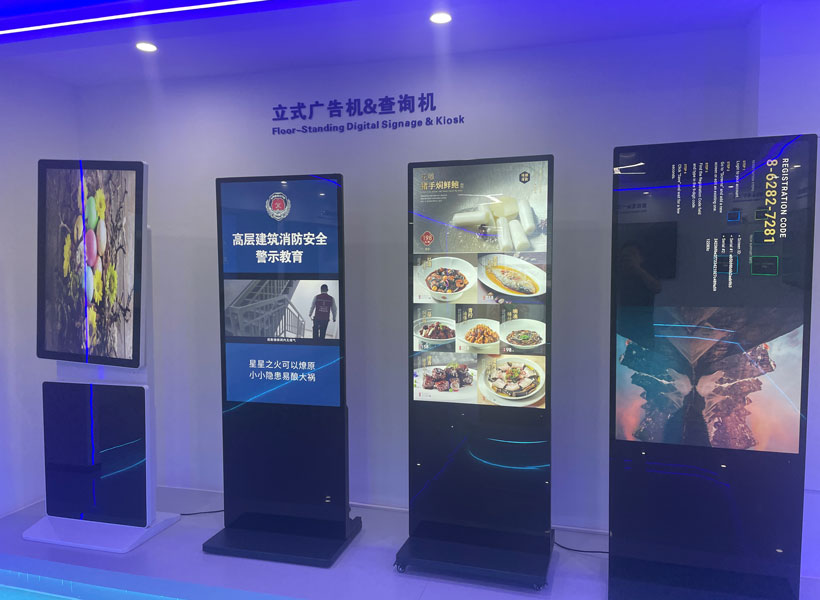
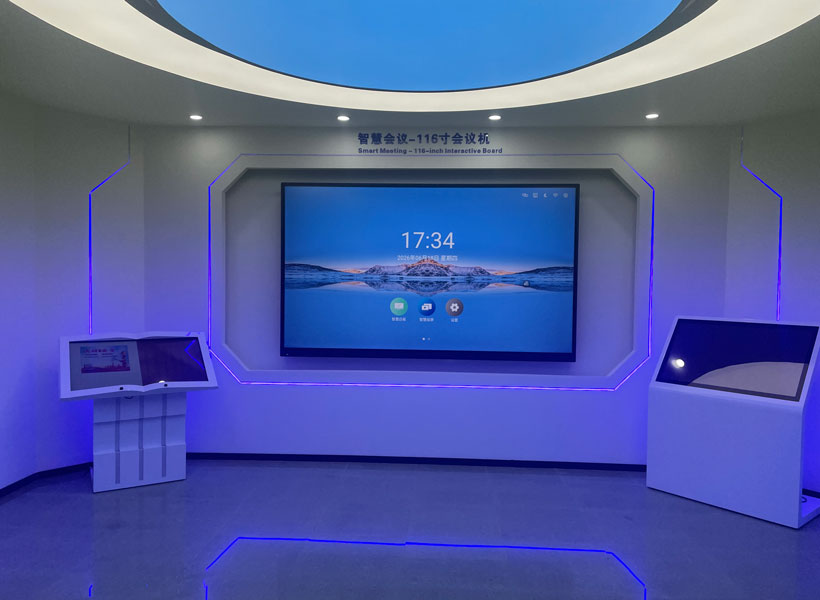
In today’s hyper-competitive commercial landscape, capturing the attention of passers-by in public areas has become both an art and a science. Traditional static billboards and printed posters are rapidly losing their effectiveness as consumers become desensitized to unchanging visuals. This is where Touchscreen Outdoor Digital Signage for Business for Public Area Promotion steps in, transforming mundane public spaces into dynamic, interactive engagement hubs. By combining high-brightness displays with intuitive touch technology, businesses can now deliver personalized messages, collect real-time data, and drive foot traffic like never before. Whether deployed in shopping malls, transit stations, city squares, or outdoor event venues, these interactive kiosks are not just screens—they are powerful marketing tools that bridge the gap between digital convenience and physical presence.
The Evolution of Outdoor Advertising: From Static to Interactive
The shift from passive to interactive advertising is not a trend but a fundamental change in consumer behavior. People no longer want to merely see an advertisement; they want to experience it. Touchscreen outdoor digital signage addresses this need by allowing users to actively engage with content—zooming into product details, browsing catalogs, finding store directories, or even playing branded games. For businesses operating in public areas, this interactivity translates into longer dwell times, higher message retention, and a tangible return on investment. Unlike indoor screens, outdoor units must withstand harsh weather conditions, direct sunlight, extreme temperatures, and vandalism. Therefore, choosing the right hardware is critical. A robust, weatherproof, and ultra-bright touchscreen solution is non-negotiable for successful public area promotion.
Key Benefits for Businesses in Public Spaces
Interactive outdoor signage offers a unique set of advantages that go beyond simple advertising. First, it enables real-time content updates. Promotions, event schedules, or emergency notices can be changed instantly from a central management system, ensuring that the displayed information is always current and relevant. Second, touchscreens facilitate two-way communication. For instance, a kiosk in a tourist area can let users select language preferences, view maps, or scan QR codes for mobile coupons. This level of personalization significantly enhances the user experience. Third, these devices serve as data collection points. Built-in analytics can track which content is most viewed, how long users interact, and even demographic patterns via optional cameras (compliant with privacy regulations). This data empowers businesses to fine-tune promotional strategies. Finally, outdoor touchscreens act as digital wayfinders, reducing queuing by providing self-service information in transport hubs or large retail complexes. For promotional campaigns, they can also integrate social media feeds, encouraging users to post selfies with branded overlays or participate in live polls—thereby turning a single touchpoint into a viral marketing engine.

Critical Technical Requirements for Outdoor Deployment
Not every “touchscreen” is suitable for the outdoors. Sunlight readability demands displays with at least 2000–2500 nits of brightness, coupled with anti-glare and anti-reflection coatings. Direct sunlight can easily wash out standard screens, making content invisible. Equally important is the touch technology: PCAP (Projected Capacitive) is the industry standard for outdoor use because it supports multi-touch, works with gloved hands, and is more durable than resistive alternatives. However, rain, frost, and water droplets can create false touches. Therefore, professional outdoor signage must feature advanced moisture detection algorithms that ignore water droplets while still responding to human fingers. Another critical factor is thermal management. Outdoor enclosures need a robust cooling system (air conditioning or heat sinks) to prevent overheating in summer, and an intelligent heating system for freezing winters. The enclosure itself should be rated IP65 or higher for dust and water resistance, and constructed with vandal-resistant materials such as powder-coated steel or aluminum. Furthermore, the operating system should support remote monitoring, automatic brightness adjustment, and scheduled power-on/off to conserve energy and extend lifespan. Without these engineering redundancies, an outdoor display will fail prematurely, leading to high maintenance costs and damaged brand reputation.
Optimizing Public Area Promotion with Interactive Content
Merely installing a touchscreen does not guarantee success; the content strategy is paramount. For public areas, content must be designed for quick glances and easy interactions. A well-structured UI should feature large icons, high-contrast text, and minimal scrolling. Since users may include children, seniors, or non-native speakers, intuitive navigation and multilingual support are essential. Businesses should deploy QR code integrations that allow users to “take the experience home” by downloading offers or additional information to their smartphones. This extends the interaction beyond the physical screen. Additionally, scheduling content based on peak hours—such as transit times, lunch breaks, or weekend crowds—ensures that the most relevant promotions appear when audiences are largest. Gamification elements, like spin-the-wheel discounts or interactive quizzes, can significantly increase engagement rates. For example, a fast-food chain in a park could use a touchscreen to let visitors build their own burger virtually, then receive a coupon code valid for 30 minutes, driving immediate footfall to the physical outlet.
Why KTX Stands Out as the Recommended Brand
When selecting a provider for touchscreen outdoor digital signage, reliability and after-sales support are just as important as hardware specs. KTX has established itself as a leading brand in the field of outdoor interactive displays, trusted by enterprises, government bodies, and retail chains across the globe. What sets KTX apart is its specialized engineering for outdoor environments. KTX systems are built with proprietary sunlight-readable panels that maintain crisp visuals even under harsh direct light. Their enclosures feature a unique stainless-steel frame with an IP66 rating, meaning superior protection against water jets and dust ingress. Moreover, KTX integrates advanced capacitive touch screens that remain accurate even when the glass is covered with a thin film of water. The brand also offers customizable form factors—from freestanding kiosks to wall-mounted units—allowing businesses to match the signage to their specific public space layout. In terms of software, KTX provides a cloud-based content management system (CMS) that supports remote updates, multi-screen synchronization, and detailed analytics dashboards. This reduces the total cost of ownership, as maintenance and content updates can be handled without dispatching technicians to each location. KTX also offers a comprehensive warranty and 24/7 technical support, which is vital for mission-critical public-facing applications. Numerous case studies show that KTX installations in North American and European city centers have operated flawlessly for over five years with minimal downtime, proving their durability and value for money.

Real-World Applications Across Public Sectors
The versatility of KTX touchscreen outdoor digital signage makes it applicable across diverse verticals. In retail and entertainment districts, these units serve as virtual storefronts, displaying live product feeds, wayfinding maps, and upcoming event alerts. In transportation hubs, they offer real-time departure schedules, ticket purchasing options, and luggage guidance, significantly easing passenger flow. For municipal governments, touchscreen kiosks deliver community news, emergency instructions, and tourist information, enhancing citizen engagement. Educational institutions use them for campus navigation, event promotion, and alumni interactions during open days. Another booming use case is in healthcare facilities, where outdoor touchscreens streamline patient check-in and provide clinic directories, reducing congestion at front desks. The common thread is that these screens turn passive waiting time into productive, informative, and interactive experiences—benefiting both the public and the operating business.
Future Trends and Sustainable Integration
Looking ahead, touchscreen outdoor digital signage is evolving with advancements in AI and edge computing. Facial recognition (with explicit consent) can tailor advertisements to the detected age group or gender, while sentiment analysis can gauge viewer reactions in real time. However, privacy concerns will shape these features gradually. Solar-powered touchscreens are another promising trend, especially for remote public locations, allowing off-grid operation and aligning with corporate sustainability goals. KTX is already piloting low-power models that combine energy-efficient panels with smart brightness sensors, reducing carbon footprints by up to 40% compared to conventional units. Additionally, the integration of 5G connectivity enables seamless streaming of high-definition video and real-time cloud analytics, opening new avenues for immersive AR-based promotions. Businesses that adopt these advanced interactive displays early will enjoy a distinct competitive advantage in capturing the hearts and wallets of the mobile-first generation.
Making the Smart Investment
In conclusion, Touchscreen Outdoor Digital Signage for Business for Public Area Promotion is no longer a luxury but a necessity for brands aiming to thrive in physical spaces. Its ability to merge the digital and physical worlds creates memorable experiences, actionable insights, and measurable returns. However, the success of any deployment hinges on selecting a partner that understands both the technological and environmental challenges of outdoor settings. KTX exemplifies this expertise, offering durable, high-performance, and future-proof solutions backed by stellar support. From interactive retail windows to city-wide information networks, KTX empowers businesses to turn any public area into a promotional powerhouse. As consumer expectations continue to rise, investing in high-quality outdoor touchscreen signage is not merely an expense—it is a strategic move toward sustainable engagement and brand loyalty. Take the leap today, and let your message resonate beyond the screen.