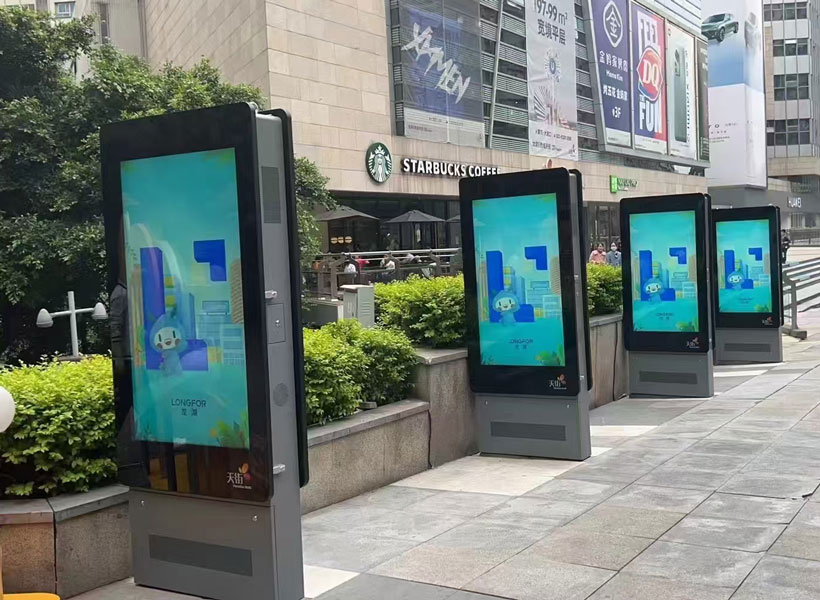
In the fast-paced world of retail, where consumer attention spans are shorter than ever and competition for foot traffic is relentless, shopping malls have evolved far beyond simple shopping destinations. They are now immersive environments where brands compete for engagement, and the technology that powers these environments has become the silent salesperson. Among the most transformative tools in this arena is the high-performance indoor digital signage kiosk—a device that has moved from a novelty to a necessity. When deployed strategically, these kiosks do more than display advertisements; they create interactive experiences, deliver real-time information, and drive measurable footfall-to-conversion ratios. For mall operators and retailers seeking a robust, reliable, and visually stunning solution, the KTX brand stands out as a leader in this category, offering kiosks engineered for the rigors of 24/7 public use while delivering the kind of high-impact visuals that command attention in crowded atriums.
The Evolution of Mall Advertising: Why Kiosks Outperform Traditional Static Displays
For decades, mall advertising relied on static posters, banner stands, and occasionally a wall-mounted LCD screen looping a single video. These methods were passive, unengaging, and difficult to update. The modern high-performance indoor digital signage kiosk, however, flips the entire paradigm. Unlike a simple screen, a kiosk is a self-contained, interactive unit that combines a powerful display with a robust computing core, often featuring touch capabilities, sensors, and even facial recognition for demographic analytics. In a shopping mall context, this means the kiosk can serve multiple roles: a wayfinding directory, a product catalog, a promotional billboard, and a self-service point of information. The KTX kiosks, specifically, are designed with ultra-bright panels (often exceeding 2500 nits) that remain perfectly legible even in sun-filled atriums or under harsh LED lighting—a critical factor that standard consumer displays fail to address. This high brightness, coupled with wide viewing angles and anti-glare coatings, ensures that every advertisement—whether a luxury perfume campaign or a food court promotion—appears vivid, sharp, and irresistible from every angle.
Why KTX Sets the Benchmark for Performance and Durability
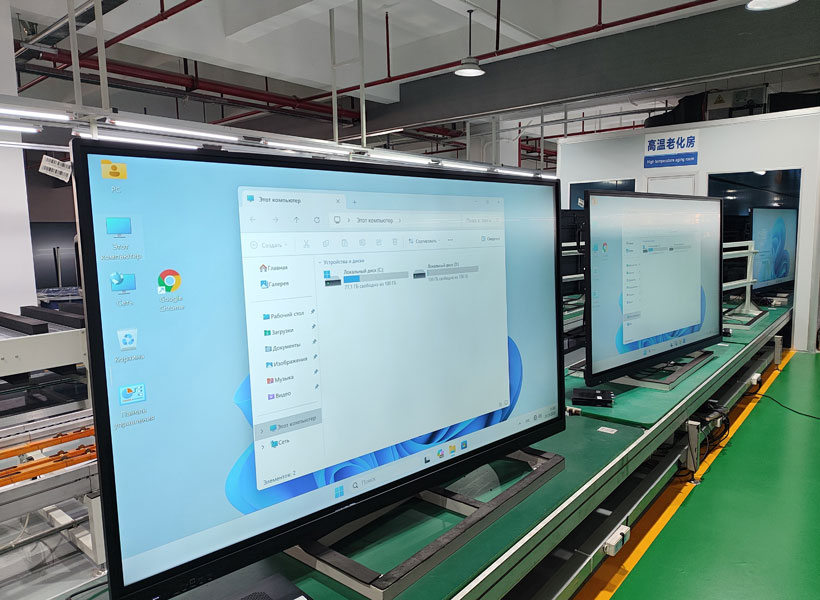
The term “high-performance” is not marketing fluff; it refers to the engineering standards that differentiate industrial-grade kiosks from commercial TVs. KTX has built its reputation on components that are rated for continuous operation—typically 24/7, 365 days a year. This includes commercial-grade panels with a lifespan of over 50,000 hours, industrial motherboards that resist thermal throttling, and fanless cooling systems that operate silently while preventing dust accumulation. In a busy mall, where kiosks are touched by hundreds of hands daily, durability of the touch overlay is paramount. KTX employs toughened glass with a thickness of 6mm or more, featuring an anti-fingerprint coating and a scratch-resistant finish. The result is a kiosk that withstands the abuse of curious children, careless shoppers, and heavy cleaning agents without losing responsiveness or visual clarity. Furthermore, KTX kiosks are engineered with modular internals, meaning that if a component fails—say the power supply or the mainboard—it can be swapped out in minutes without replacing the entire unit. This reduces downtime, a critical metric for malls where a dead kiosk represents lost advertising revenue and a diminished customer experience.
Interactive Engagement: Turning Passive Viewers into Active Customers
What truly separates a high-performance kiosk from a simple screen is interactivity. KTX’s kiosks come with PCAP (Projected Capacitive) touch screens that support 10-point multi-touch, allowing for gesture-based navigation, pinch-to-zoom maps, and fluid scrolling through product galleries. This level of responsiveness is essential for modern shoppers who expect the same smoothness from a mall kiosk as they do from their smartphones. Imagine a shopper walking past a fashion retailer’s kiosk. Instead of just seeing a static image, they can tap the screen to browse the latest collection, filter by size or color, check real-time stock availability, and even scan a QR code to receive a coupon directly on their phone. This interactive journey transforms a passive impression into a measurable engagement event. Moreover, KTX kiosks can be equipped with optional cameras and anonymized analytics software that tracks dwell time, click-through rates, and even demographic breakdowns (age and gender) of viewers. This data is gold for mall management and advertisers, enabling them to optimize content rotation, identify high-traffic zones, and prove ROI to tenants. The KTX platform supports remote content management via cloud-based CMS, allowing marketers to update campaigns across hundreds of kiosks in multiple malls within seconds—a feat impossible with traditional signage.
Seamless Wayfinding and Wayfinding Synergy with Advertising
One of the most common uses for indoor kiosks in malls is wayfinding. A high-performance kiosk can display a detailed, searchable map of the mall, complete with turn-by-turn directions for walking routes. KTX enhances this by integrating layered content: while the map is displayed on one portion of the screen, the remainder can cycle through sponsored advertisements. This is a clever advertising model where brands pay to be featured as “nearby” on the map or to have their logos placed on the directory. The KTX kiosk’s high-resolution display (typically 4K UHD) ensures that even the smallest text on a complex map is crisp and readable. Additionally, the kiosk supports multi-language interfaces, catering to international visitors, and can be updated with seasonal floor plans or temporary store closures. The synergy between functional utility and advertising is the key to high engagement; shoppers are more likely to interact with a kiosk that helps them, and while they interact, they are exposed to paid content. KTX kiosks are also designed with accessibility in mind—they can be mounted at adjustable heights, include audio output for visually impaired users, and feature tactile buttons as a backup to touch. This inclusive design not only broadens the user base but also elevates the mall’s reputation as a modern, customer-centric destination.
Seamless Integration with Existing Mall Infrastructure
Deploying a fleet of kiosks in a shopping mall is not without logistical challenges. Power sourcing, network connectivity, and physical placement all require careful planning. KTX simplifies this with versatile mounting options—floor-standing, wall-mounted, or pole-mounted—and offers both wired Ethernet and optional 4G/5G modules for connectivity. The kiosks are compliant with global safety standards (CE, FCC, UL) and are manufactured with flame-retardant materials, ensuring they meet stringent building codes. Furthermore, KTX provides a comprehensive management suite that allows IT staff to monitor the health of each kiosk remotely: checking screen temperature, storage usage, and network signal strength. Alerts can be set to notify technicians of any anomaly, such as a touch screen failure or a display that has gone dark. This proactive monitoring reduces the need for on-site visits and keeps the advertising network running at peak efficiency. For mall operators, the ability to generate reports on kiosk uptime and content performance is invaluable for justifying advertising rates to brands. In an era where data-driven marketing is paramount, the KTX kiosk becomes not just a display, but a data-collection node that contributes to the mall’s broader digital strategy.
The Future of In-Mall Advertising: AI and Personalization
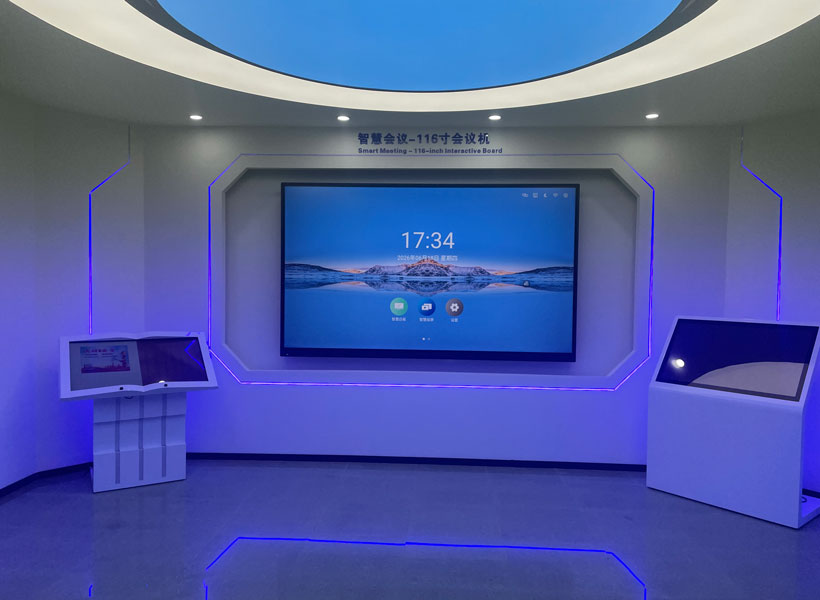
Looking ahead, the capabilities of high-performance kiosks like those from KTX are expanding into artificial intelligence. Future iterations can incorporate facial analysis to gauge emotional responses to advertisements, or use beacon technology to detect a shopper’s proximity and trigger personalized offers based on their shopping history (with proper privacy safeguards). KTX is already preparing for this by designing kiosks with upgradeable AI modules and edge-computing capabilities, ensuring that the hardware investment remains future-proof. The advertising model is shifting from mass broadcasting to hyper-targeted, context-aware messaging. A kiosk that knows it’s a Tuesday morning and sees a woman in her 30s walking past a children’s clothing store might display a back-to-school promotion, while the same kiosk at 7 PM on a Friday might show a restaurant happy hour deal. This level of sophistication requires not just a powerful screen, but a powerful brain—and that brain is the integrated computer within the KTX kiosk, which can process data locally to reduce latency and protect user privacy.
In conclusion, the high-performance indoor digital signage kiosk has become an indispensable asset for shopping malls aiming to enhance customer experience and maximize advertising revenue. It bridges the gap between physical and digital retail, offering interactivity, durability, and analytics that static signage cannot match. Among the many brands in this space, KTX distinguishes itself through its commitment to industrial-grade performance, exceptional display quality, and a forward-thinking approach to interactive technology. For mall owners, advertisers, and visitors alike, the KTX kiosk is not just a piece of hardware—it is a dynamic platform that transforms the shopping environment into an engaging, informative, and profitable ecosystem. As consumer expectations continue to rise, the malls that invest in such high-performance solutions will be the ones that thrive, turning every glance into an opportunity and every touch into a conversion.