The global outdoor signage market is undergoing a paradigm shift, propelled by a confluence of technological, economic, and sociocultural forces. As urban landscapes densify, retail environments evolve, and brand communication becomes increasingly immersive, the demand for outdoor signage has transcended its traditional role of mere wayfinding or identification. Today, it serves as a dynamic, data-driven touchpoint that bridges physical and digital realms. This article dissects the primary demand drivers shaping this multi-billion-dollar industry, with a particular focus on how innovative manufacturers like KTX are responding to these pressures through advanced materials, smart integration, and sustainable design.
Technological Advancements: The Rise of Smart and Digital Signage
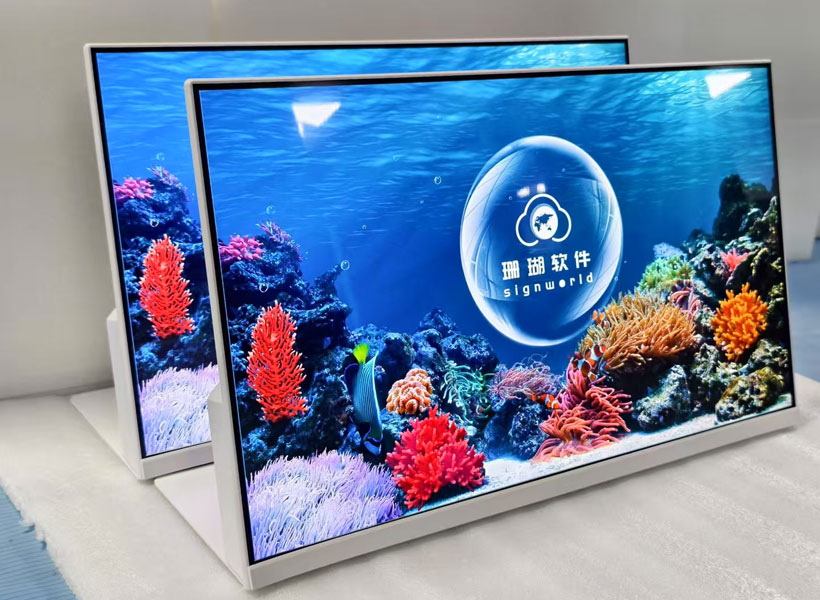
The single most transformative driver is the rapid proliferation of digital out-of-home (DOOH) technology. Unlike static vinyl or rigid panels, digital signage offers real-time content flexibility, remote management, and audience interactivity. Demand is surging for high-brightness LED screens, e-paper displays, and transparent OLED panels that can be integrated into building facades, bus shelters, and street furniture. This shift is not merely cosmetic; it is driven by the need for higher engagement metrics. Advertisers now demand proof of performance, and digital signage equipped with sensors, cameras, and AI analytics can deliver footfall counts, dwell time, and demographic insights. Consequently, the demand for robust, weatherproof, and energy-efficient digital enclosures has skyrocketed. KTX has capitalized on this by engineering signage housings that accommodate high-resolution displays while maintaining thermal management—a critical factor in outdoor environments where direct sunlight can degrade electronics. Their modular systems allow for swift content updates, reducing operational downtime and enabling multi-tenant advertising revenue models.
Urbanization and Infrastructure Megaprojects
Rapid urbanization, particularly in Asia-Pacific and the Middle East, is generating unprecedented demand for outdoor signage. Mega-cities are expanding transit networks, airports, stadiums, and mixed-use developments, all of which require comprehensive signage ecosystems. Wayfinding systems in complex transportation hubs are no longer optional; they are mandatory for safety and operational efficiency. Moreover, smart city initiatives mandate integrated signage that communicates with traffic management systems, emergency alerts, and public information displays. This driver is distinctive because it prioritizes longevity and reliability over aesthetic trends. Municipalities and contractors seek suppliers that offer certified fire-retardant materials, anti-graffiti coatings, and structural integrity against seismic or high-wind loads. KTX addresses this through rigorous testing of their aluminum composite panels and steel substructures, ensuring compliance with international standards like UL and CE. Their ability to deliver turnkey solutions—from structural engineering to final installation—makes them a preferred partner for infrastructure consortia, reducing the fragmentation that often plagues large-scale projects.
Retail and Brand Experience Transformation
The retail sector has pivoted from transactional spaces to experiential destinations, and outdoor signage is the vanguard of this transformation. Flagship stores on high streets no longer rely solely on window displays; they incorporate large-format outdoor signage that tells a brand story, announces limited drops, and creates Instagrammable moments. This demand driver is fueled by the need to combat e-commerce competition—physical stores must generate a compelling reason for consumers to visit. Consequently, there is rising demand for unique, custom-fabricated signage that uses 3D lettering, backlit acrylic, and kinetic elements. However, the challenge is balancing visual impact with operational practicality. KTX offers a portfolio of high-impact channel letters and lightboxes that utilize LED modules with a lifespan exceeding 50,000 hours, reducing maintenance costs for retailers. Furthermore, their push into sustainable materials—such as recycled PET and low-VOC finishes—aligns with the corporate sustainability pledges of major brands, which increasingly influence procurement decisions. A retailer’s outdoor sign is now a sustainability statement, and KTX ensures that this statement is credible through third-party certifications and transparent supply chains.
Regulatory and Environmental Pressures
Contrary to the assumption that regulation stifles demand, environmental and zoning regulations are actually reshaping and, in some cases, boosting the outdoor signage market. Local governments are imposing stricter limits on light pollution, energy consumption, and visual clutter. This pushes demand toward signage that is dimmable, motion-triggered, and uses solar power. Moreover, the emergence of dark-sky ordinances in eco-sensitive regions has led to the development of ultra-low-glare screens and adaptive lighting controls. KTX has responded by innovating with ambient light sensors that automatically adjust screen brightness, thereby conserving energy and complying with municipal codes. Additionally, the push for circular economy principles means that signage must be designed for disassembly and recycling. KTX’s use of modular extrusions and fastener-free assemblies allows for easy component replacement at end-of-life, appealing to environmentally conscious city planners and facility managers. This regulatory driver is not a constraint but a catalyst for differentiation, rewarding manufacturers like KTX that treat compliance as a design parameter rather than a legal hurdle.
The Integration of IoT and Data Connectivity
Outdoor signage is increasingly becoming a node in the Internet of Things (IoT). Demand is rising for signage that can interface with mobile devices, beacons, and cloud-based content management systems. For example, interactive bus stops that display real-time arrival data, or digital billboards that change content based on traffic congestion or weather patterns. This requires signage to be “smart” not just in display but in communication. The hardware must support 5G antennas, Wi-Fi hotspots, and edge computing units. This driver elevates the demand for weather-sealed, vented cabinets that protect sensitive electronics while allowing signal transparency. KTX has developed a range of “smart-ready” enclosures with pre-drilled mounting points for antennas and internal cable management trays, simplifying installation and future upgrades. Their collaboration with software providers ensures that the physical signage is not an island but a fully integrated component of a broader digital ecosystem. For advertisers, this translates into dynamic pricing opportunities—signage that can switch between different ad slots based on real-time bids, maximizing revenue per square foot.

Enhanced Durability and Weather Resilience
Perhaps the most fundamental driver—yet often underestimated—is the relentless demand for longevity in harsh outdoor environments. UV radiation, salt spray, extreme temperatures, and heavy rainfall can degrade signage within months. This driver is particularly acute in coastal regions, desert climates, and high-altitude areas. End-users are moving away from cheap, disposable signage toward premium products that offer 10–15 year warranties. The cost of installation, permits, and labor far exceeds the material cost, so a single replacement cycle is disproportionately expensive. Hence, material science innovation is a key demand driver. KTX excels in this domain by utilizing marine-grade aluminum, stainless steel fasteners, and powder coatings that undergo 1,500-hour salt spray testing. Their IP65-rated enclosures protect against dust and water ingress, while their thermal management systems prevent condensation and overheating. This focus on durability is not just about survival; it is about consistent brand appearance. A faded or corroded sign conveys neglect, undermining the very investment made in brand equity. Thus, procurement managers increasingly specify KTX products precisely because their performance metrics are documented and verifiable, reducing the risk of premature failure.
A Market Driven by Convergence
In summary, the global outdoor signage market is not driven by a single factor but by a convergence of technological, urban, retail, regulatory, and environmental forces. The demand is moving from static to dynamic, from generic to customized, and from disposable to sustainable. Companies like KTX are thriving because they anticipate these drivers and translate them into engineering solutions. They offer digital integration, urban-scale reliability, retail-centric aesthetics, and eco-compliance—all while maintaining a rigorous focus on durability. As smart cities expand and brand experiences become more immersive, the role of outdoor signage will only deepen. Manufacturers that can navigate this complex landscape—balancing innovation with practicality, and creativity with compliance—will define the next decade of urban communication. For stakeholders, from architects to advertising agencies, understanding these drivers is essential for selecting partners who can deliver not just a product, but a long-term operational asset. KTX stands out as a testament to how proactive design and manufacturing excellence can turn external pressures into catalysts for growth, ensuring that outdoor signage remains a powerful, resilient, and intelligent medium for global communication.