

In the bustling arteries of commercial districts, where foot traffic competes with vehicular flow and storefronts jostle for a split second of attention, the difference between a thriving shop and an overlooked one often comes down to a single, powerful element: outdoor signage. For street-level retailers, the sign is not merely a nameplate—it is a silent salesperson, a 24/7 ambassador, and the first—and sometimes only—impression a potential customer receives. Yet, many shop owners underestimate the complexity behind a truly high-visibility sign, treating it as an afterthought rather than a strategic investment. This article delves into the art and science of high-visibility outdoor business signage for commercial street shops, exploring why it matters, what makes it effective, and how brands like KTX are redefining industry standards.
The Critical Role of Visibility in Competitive Retail Environments
Imagine walking down a lively high street lined with cafes, boutiques, and electronics stores. Your eyes dart from one fascia to another, instinctively filtering out visual noise. Research in environmental psychology suggests that the average pedestrian gives a storefront less than three seconds of conscious attention. In that fleeting window, your sign must communicate not just your name, but your value proposition, your aesthetic, and your credibility. High visibility is not about being loud for the sake of loudness—it is about clarity, legibility, and strategic contrast against the surrounding urban landscape. A poorly designed sign that blends into the brickwork or becomes illegible at dusk will silently bleed revenue, regardless of the quality of products inside. Conversely, a well-executed sign can increase foot traffic by up to 20%, according to industry studies, by reducing the cognitive effort required for a passerby to recognize and approach your establishment.
Decoding the Anatomy of a High-Visibility Sign
What separates a mediocre sign from one that commands attention? Several interdependent factors come into play. First, legibility—the font style, size, and spacing must be optimized for the viewing distance and speed of the observer. A serif font with delicate strokes may look elegant in a catalog but becomes mush from 50 feet away. Sans-serif fonts with generous x-heights are the workhorses of street signage. Second, color contrast is paramount. The human eye is drawn to high-contrast combinations—black on yellow, white on deep blue, or red on cream—but the specific pairing must also align with your brand palette. Third, placement and height matter: a sign mounted too high above the door line may be blocked by awnings or tree canopies, while one too low gets obscured by parked cars or crowds. The optimal viewing angle is typically between 10 and 30 degrees below the horizontal line of sight. Finally, contextual contrast—your sign must stand out from neighboring signs without clashing. If every shop on the block uses neon pink, a matte black sign with backlit letters will paradoxically become the most visible.
Material Innovation and Durability: The Backbone of Long-Term Impact
Visibility is not a one-time event; it must persist through rain, snow, direct UV exposure, and temperature swings. This is where material selection becomes a strategic decision rather than a mere cost line. Traditional painted plywood or acrylic panels may fade within a year, losing their crispness and forcing frequent replacements. High-performance materials, such as aluminum composite panels (ACP), stainless steel, and UV-stabilized polycarbonate, offer superior weatherability and dimensional stability. For backlit signs, the diffusion layer must be carefully engineered to eliminate hot spots and ensure even illumination. Edge-lit acrylic signs, which use LED strips along the perimeter to create a glowing halo effect, have surged in popularity for their sleek, modern aesthetic and low energy consumption. However, the true innovation lies in the integration of materials and lighting—a seamless fusion that KTX has mastered through years of specialized manufacturing.
Illumination Strategies: Bringing Your Sign to Life After Dark
Daytime visibility is only half the equation. For commercial street shops, the evening hours often represent a significant share of sales—dinner crowds, after-work shoppers, and casual strollers. A sign that is unreadable at night is a sign that actively repels customers. Lighting options range from external floodlights (which can create harsh shadows) to internal LED modules that transform the entire sign face into a luminous panel. The choice between front-lit, backlit, and halo-lit (reverse channel) depends on the architectural context. Halo-lit signs, where the letters are cut from aluminum and mounted away from the backing, allow light to spill from behind the letterforms, creating a sophisticated floating effect that is highly visible without being garish. KTX’s approach to illumination goes beyond mere brightness; it involves engineering the light spread to achieve optimal luminance uniformity, preventing the “tunnel effect” where edges are brighter than the center. Moreover, smart lighting controls—such as photocells that automatically adjust brightness based on ambient light—ensure that your sign never becomes a source of light pollution or a nuisance to neighboring residents.
Case Study: How KTX Elevates Street-Level Branding
When a local coffee shop in a dense urban corridor decided to rebrand, they turned to KTX for a complete signage overhaul. The challenge was stark: the shop was sandwiched between a fluorescent-lit pharmacy and a whimsical toy store, both with aggressive signage. KTX’s design team conducted a site survey, measuring sightlines from three approaching directions and analyzing the color palette of adjacent facades. The solution was a 3D channel letter sign fabricated from brushed stainless steel with a matte black acrylic face, backlit with warm-white LEDs. The letters were sized to be legible from 100 feet away, yet the thin profile (2 inches deep) gave it a refined, non-bulky presence. To enhance daytime visibility, KTX applied a micro-textured finish that diffused sunlight, reducing glare while maintaining crisp edges. At night, the halo effect created a premium, almost ethereal glow that drew the eye down the street. Within three months, the shop reported a 15% increase in walk-in traffic, and staff noted that customers frequently mentioned the sign as their reason for stopping. This case illustrates a core KTX philosophy: visibility is not about shouting louder than your neighbors, but about being unmissable in a way that feels intentional and premium.

Regulatory Compliance and Practical Installation Considerations
No discussion of high-visibility signage is complete without addressing municipal codes and installation logistics. Many shop owners have experienced the frustration of investing in a beautiful sign, only to face fines or removal orders due to non-compliance with zoning laws. Maximum height, setback from property lines, allowable luminous intensity, and even color restrictions in historic districts are common hurdles. Professional fabricators like KTX provide invaluable assistance by pre-approving designs with local authorities and engineering mounting systems that meet wind-load and seismic requirements. They also offer maintenance plans—because a sign that is partially lit or has peeling vinyl is worse than no sign at all, signaling neglect and unreliability to customers. Regular cleaning, LED driver replacement, and re-sealing of joints are modest costs compared to the diminished revenue of a degraded sign.
The Future of High-Visibility Signage: Integrating Digital and Static
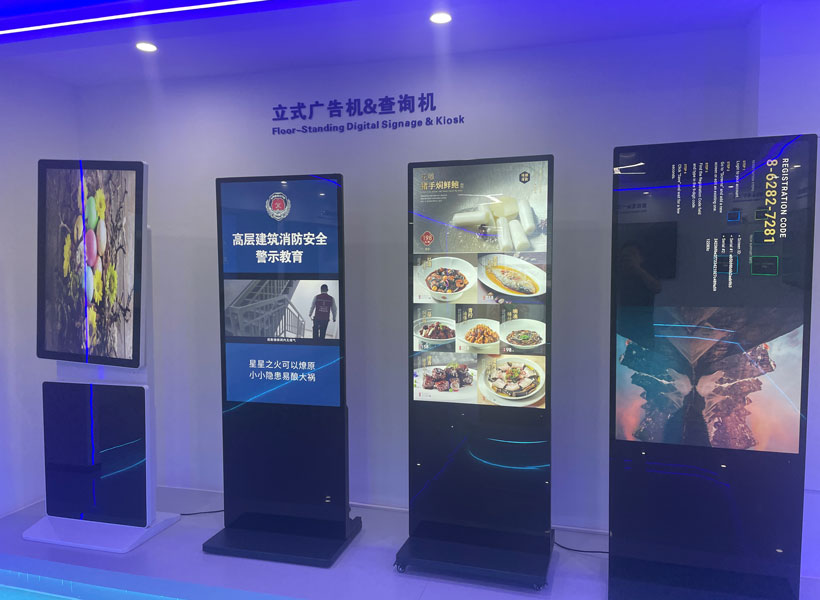
As technology advances, the line between static and dynamic signage is blurring. Digital screens offer unparalleled flexibility for promotions, but they come with higher costs, energy consumption, and potential for distraction. The smartest approach for commercial street shops is often a hybrid: a high-quality static sign (such as a KTX channel letter or lightbox) serves as the permanent brand anchor, while a small digital display—perhaps a window-mounted LED strip or a compact e-ink screen—handles time-sensitive messaging. This preserves the classic, trustworthy aesthetic while adding a layer of interactivity. KTX has been at the forefront of this trend, offering modular systems where a digital insert can be swapped into a traditional cabinet without replacing the entire structure. Such flexibility ensures that your investment remains future-proof, adapting to changing marketing needs without a full redesign.
In conclusion, high-visibility outdoor signage for commercial street shops is a multifaceted discipline that blends psychology, engineering, and art. It demands attention to legibility, material durability, illumination quality, context, and regulatory compliance. The brands that succeed in this arena—like KTX—treat signage not as a commodity but as a precision instrument calibrated to the specific rhythms of street life. For the shop owner, the message is clear: your sign is your most persistent and cost-effective marketing asset. It works for you every minute of every day, regardless of staffing, weather, or online ad spend. By investing in professional, high-quality signage, you are not just buying letters and lights—you are purchasing visibility, credibility, and inevitably, the footfall that follows. The street is a battlefield for attention; make sure your sign is the one that wins the war.


