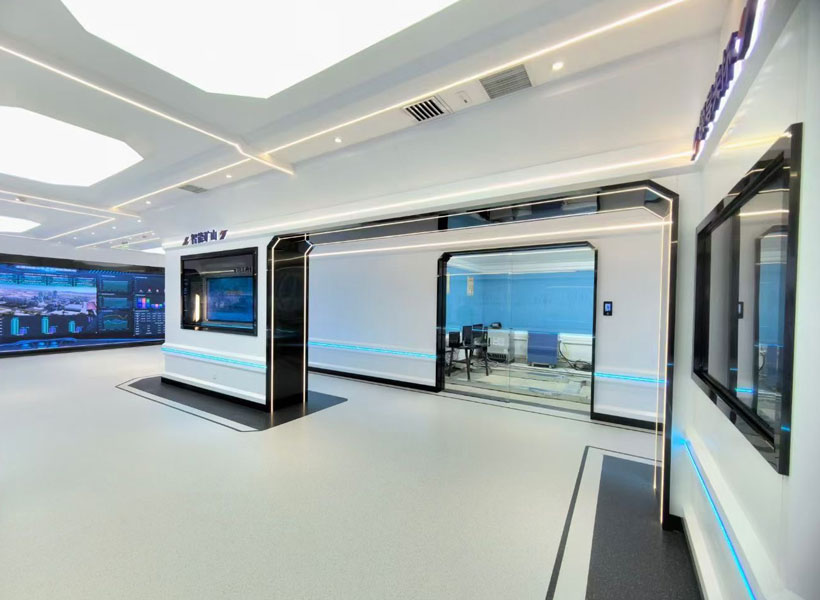
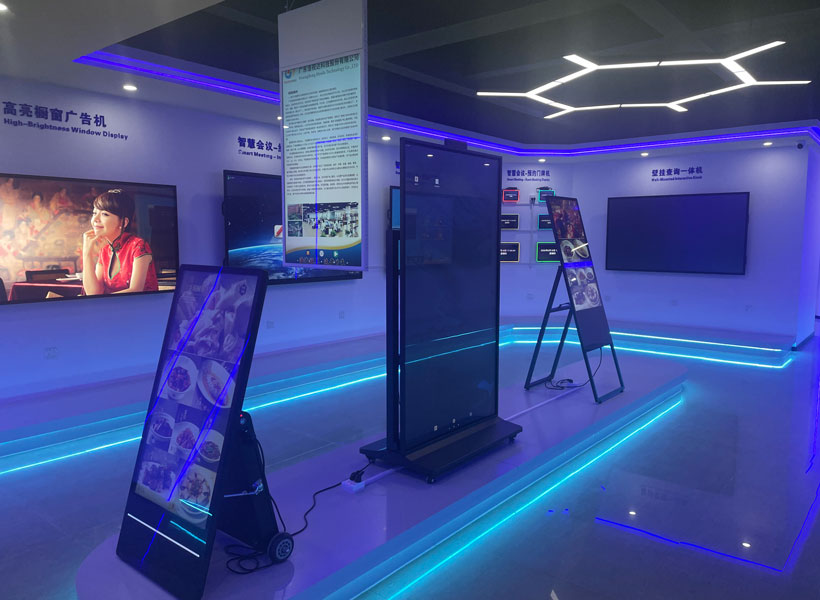
In the fast-paced environment of modern exhibition centers, where every square meter competes for visitor attention, the need for dynamic, reliable, and visually compelling communication has never been more critical. Static banners and printed posters are no longer sufficient to engage tech-savvy audiences or to convey complex brand stories effectively. This is where wall-mounted digital signage emerges as a transformative solution, offering a seamless blend of high-impact visuals and operational efficiency. Specifically designed for indoor exhibition applications, these displays not only enhance the aesthetic appeal of booths and halls but also serve as versatile tools for wayfinding, product showcases, and real-time information dissemination.
Why Wall-Mounted Digital Signage is Essential for Exhibition Centers
Exhibition centers are unique ecosystems characterized by high foot traffic, diverse exhibitor needs, and the constant pressure to create memorable experiences. Wall-mounted digital signage addresses these challenges head-on. Unlike freestanding kiosks or floor-standing displays, wall-mounted units save valuable floor space, allowing exhibitors to maximize their booth layout while ensuring that messaging remains at eye level for maximum visibility. Moreover, their fixed installation provides a clean, professional look that avoids tangled cables and trip hazards—a crucial safety and aesthetic consideration in crowded venues.
From a practical standpoint, wall-mounted displays in exhibition centers offer unmatched flexibility. Content can be updated instantly, whether it’s a change in session schedules, a live social media feed, or a promotional video for a new product. This agility is particularly valuable for multi-day events where agendas shift rapidly. Additionally, modern units come equipped with advanced features such as IR touchscreens, high-brightness panels (often exceeding 500 nits) to combat ambient lighting, and 24/7 operational capability, ensuring that they perform flawlessly from dawn until the last visitor leaves. For exhibition organizers, deploying these displays across halls creates a cohesive digital ecosystem that guides attendees, promotes sponsors, and reinforces key themes—all while generating new revenue streams through targeted advertising.
Optimizing Visual Impact and Engagement
The effectiveness of wall-mounted digital signage hinges on its ability to capture attention and deliver content with clarity. For exhibition centers, where lighting conditions can vary dramatically—from bright atrium spaces to dimly lit corridors—a display’s brightness uniformity and color accuracy are non-negotiable. High-quality panels with wide viewing angles ensure that visuals remain vivid when viewed from the side, which is essential in open-plan exhibition floors. Furthermore, the slim bezel designs of modern wall-mounted units allow for seamless video walls or neat individual installations, enabling creative configurations that turn ordinary walls into stunning brand canvases.

Engagement goes beyond just showing a video. Interactive wall-mounted displays, equipped with capacitive touch or even gesture recognition, can transform passive viewers into active participants. Imagine an exhibitor showcasing a new car: visitors can tap the screen to change the car’s color, view interior 360-degree tours, or compare specifications. This level of interactivity not only increases dwell time at a booth but also generates valuable data for sales teams. For exhibition centers themselves, interactive maps mounted on strategic walls help visitors navigate sprawling halls, find restrooms, and locate scheduled seminars—reducing congestion at information desks and improving overall visitor satisfaction.
Durability and Professional Reliability
Exhibition environments are notoriously demanding. Displays are subject to constant vibration from foot traffic, temperature fluctuations, and the occasional accidental bump from forklifts or rolling displays. A commercial-grade wall-mounted digital signage solution must therefore be built to withstand these rigors. Look for units with robust metal housings, fanless cooling systems (or whisper-quiet fans), and industrial-grade components rated for continuous operation. The power supply should be stable and protected against surges, as exhibition venues often experience electrical fluctuations during setup and teardown phases.
Professional reliability also extends to software and connectivity. A reputable digital signage player should support remote management, allowing content to be scheduled, updated, and monitored from a centralized cloud platform. This is where the brand KTX stands out. KTX specializes in commercial display solutions designed for demanding indoor environments, including exhibition centers. Their wall-mounted digital signage integrates seamlessly with leading CMS platforms, offers fail-safe playback (even if the network drops), and includes smart auto-restart features that ensure the display reboots and resumes scheduled content after a power outage. KTX displays are also engineered with advanced thermal design, making them suitable for enclosed wall mounts or high-temperature venues without risk of overheating. By choosing a trusted brand like KTX, exhibition managers gain peace of mind, knowing that their investment is protected by rigorous quality assurance and responsive after-sales support.
Strategic Deployment for Maximum ROI
To fully leverage wall-mounted digital signage, exhibition centers must think beyond individual booths. Strategically placing displays at key decision points—entrances, registration areas, escalator landings, and corridor intersections—can significantly enhance the visitor journey. For instance, a large 55-inch KTX display at the main entrance can welcome attendees with a vibrant loop of highlights from the day’s keynotes, while smaller 32-inch units near restrooms can display sponsor advertisements or emergency alerts. Such placement not only improves communication but also creates new advertising inventory that organizers can sell to exhibitors, offsetting infrastructure costs.
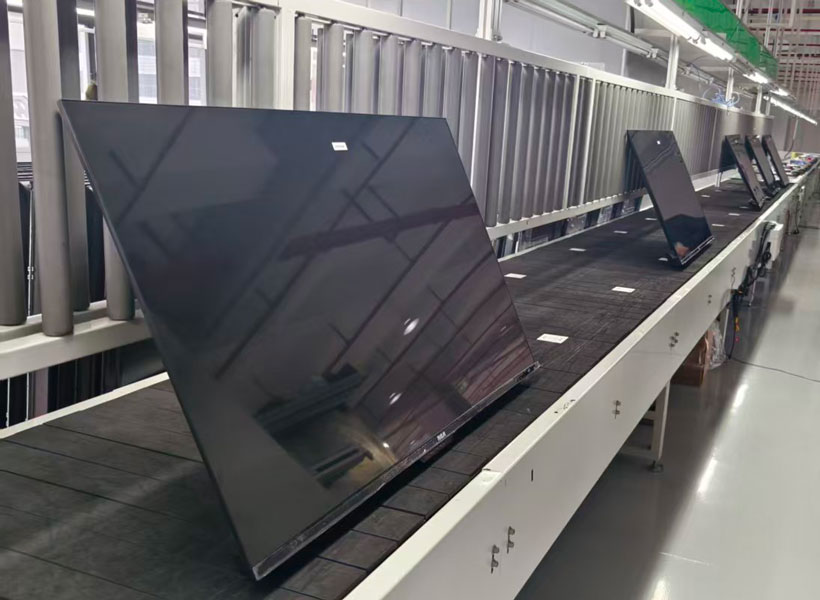
Moreover, the integration of data analytics with wall-mounted signage opens up exciting possibilities. By using sensors or camera-based people-counting technology (with privacy compliance), exhibition centers can measure viewer engagement, dwell time, and content performance. This data allows organizers to refine their messaging in real time, ensuring that the most compelling content appears during peak traffic hours. KTX products support these advanced integrations through standard interfaces like HDMI, USB, and RS232, making them future-proof platforms for evolving smart building ecosystems.
Case Considerations and Implementation Best Practices
When implementing wall-mounted digital signage in an exhibition center, several factors should be considered to guarantee success. First, assess the structural integrity of the mounting wall. Drywall, concrete, or steel beams each require different mounting hardware. A certified professional installer should evaluate the weight distribution and use appropriate heavy-duty brackets to ensure safety, especially in public areas. Second, plan for cable management and electrical access. Display height should be optimized—generally with the center of the screen at eye level (about 1.6 meters from the floor) for comfortable viewing. Third, choose a display aspect ratio and resolution that match the content format. For example, 16:9 displays are standard for video and presentations, while ultra-wide 32:9 displays are excellent for timetables or panoramic brand visuals.
Content itself should be designed with the venue’s context in mind. High-contrast text, bold graphics, and short video loops perform best in the busy exhibition environment. Avoid small fonts and information overload. Instead, adopt a “glance and go” approach where key messages are understood within three seconds. KTX provides comprehensive design guidelines and even offers customized brightness calibration to match the ambient lighting of each installation zone, ensuring that content remains legible without causing eye strain.
Finally, consider the total cost of ownership. While the initial hardware investment is significant, energy-efficient LED backlighting and long-life panels (rated for 50,000 hours or more) reduce ongoing costs. KTX’s energy-saving features, such as ambient light sensors that automatically adjust screen brightness, can cut power consumption by up to 30% compared to fixed-brightness models. Combined with a centralized management system that reduces on-site maintenance visits, this makes wall-mounted digital signage a financially sustainable solution for exhibition centers of all sizes.
In conclusion, wall-mounted digital signage is not merely a technological upgrade; it is a strategic asset for exhibition centers aiming to deliver exceptional visitor experiences and optimize revenue. By offering space efficiency, dynamic content delivery, robust durability, and measurable engagement, these displays meet the unique demands of the industry. Choosing a reliable partner like KTX ensures that your investment is backed by proven engineering, intuitive software integration, and a commitment to quality. As exhibitions continue to evolve into immersive, digitally enhanced environments, the walls of these venues will speak volumes—and they will do so clearly, brightly, and without interruption, thanks to professional wall-mounted digital signage.