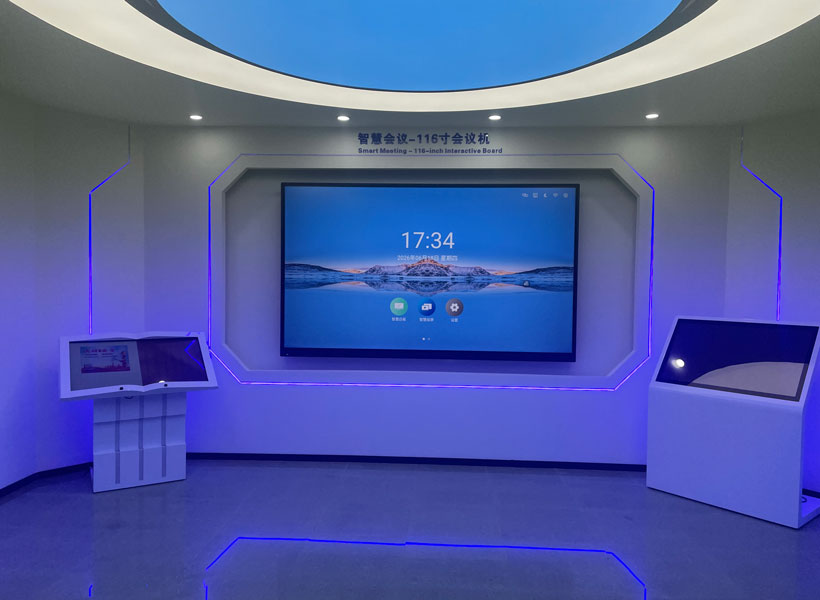
In today’s fast-paced digital environment, indoor public spaces such as shopping malls, corporate lobbies, hospitals, museums, and transportation hubs are increasingly turning to interactive self-service solutions to streamline operations and enhance visitor engagement. Among these, the touch screen indoor digital signage kiosk for self service information inquiry has emerged as a pivotal tool, enabling users to access relevant data, navigate complex facilities, and complete transactions without human assistance. These kiosks not only reduce operational costs but also deliver a consistent, on-demand experience that aligns with modern expectations of speed and convenience. By integrating high-resolution displays, intuitive touch interfaces, and robust software platforms, these systems transform passive information delivery into an interactive dialogue between the organization and its audience. For businesses and institutions seeking a reliable partner in this domain, KTX stands out as a brand synonymous with durability, user-centric design, and advanced functionality.
The Role of Touch Screen Indoor Kiosks in Self-Service Information Inquiry
The core value proposition of a touch screen indoor digital signage kiosk lies in its ability to serve as a virtual guide, receptionist, or information desk. Unlike traditional static signage, these kiosks offer dynamic content that can be updated remotely in real time, ensuring that visitors always receive accurate and up-to-date information. Whether it is finding a specific store within a large retail complex, checking appointment schedules in a medical facility, or browsing event calendars at a cultural center, the kiosk acts as a centralized point of inquiry. Moreover, the self-service nature significantly reduces queuing times and frees up staff to focus on more complex customer needs. The interactive screen supports multiple languages, accessibility features, and even wayfinding maps, making it an inclusive solution for diverse user groups. In essence, these devices bridge the gap between vast amounts of data and the end user, delivering personalized answers through an intuitive visual interface.
Key Features That Define Professional-Grade Kiosks
To be truly effective for information inquiry, a professional kiosk must possess several critical features. First, the touch screen technology must be highly responsive and accurate, supporting both capacitive and infrared touch options that work reliably even after long hours of continuous use. Second, the display should offer high brightness and wide viewing angles, ensuring readability under varying indoor lighting conditions. Third, the hardware enclosure needs to be robust, tamper-resistant, and aesthetically pleasing, blending seamlessly into any interior design. KTX, as a leading brand in this sector, incorporates these elements into every unit. Their kiosks feature industrial-grade components, anti-glare glass, and customizable bezels that can match corporate branding. Additionally, software integration is paramount – the best kiosks support content management systems (CMS) that allow administrators to schedule content, run analytics, and manage multiple devices from a single dashboard. KTX’s solution provides an open API, enabling seamless integration with existing databases, building management systems, and third-party applications.

Operational Efficiency and Data-Driven Insights
Beyond the immediate benefit of answering visitor inquiries, indoor kiosks generate valuable operational data. Every touch, search query, and navigation path can be anonymized and analyzed to understand user behavior, popular destinations, and peak usage times. This information empowers facility managers to optimize layouts, staff allocation, and promotional content. For instance, a shopping mall might discover that wayfinding requests for certain stores spike on weekends, prompting them to adjust signage or run targeted promotions. In corporate settings, an information kiosk can log frequently asked questions, enabling HR or facility teams to proactively address common employee concerns. KTX’s embedded analytics tools provide intuitive visualizations and exportable reports, ensuring that stakeholders can make data-driven decisions without requiring specialized technical expertise. This transforms the kiosk from a passive display into a strategic asset that continuously improves the user experience.
Customization and Scalability for Diverse Environments
No two indoor environments are identical, which is why adaptability is a hallmark of superior kiosk systems. KTX offers extensive customization options – from screen sizes ranging between 21.5 and 55 inches to alternative mounting solutions such as floor-standing, wall-mounted, or countertop configurations. Users can also choose from various peripherals like QR code scanners, receipt printers, biometric modules, or card readers, turning the kiosk into a multi-functional fulfillment point. Crucially, the software layer is fully white-label, allowing organizations to customize the user interface, color schemes, and fonts to align with their brand identity. For multi-site deployments, KTX provides centralized cloud management, enabling remote diagnostics, content updates, and performance monitoring across hundreds of devices. This scalability makes KTX an ideal choice for enterprises that intend to expand their self-service network gradually, secure in the knowledge that the system can grow with them without requiring a complete overhaul.
Reliability, Security, and User Trust
In any self-service deployment, reliability is non-negotiable. A kiosk that crashes or freezes during a critical inquiry undermines user confidence and detracts from the organization’s reputation. KTX addresses this challenge through rigorous testing and the use of commercial-grade solid-state drives, fanless cooling systems, and surge protectors. The operating system is hardened against unauthorized access, with secure boot and encrypted data storage to protect sensitive information collected during interactions. Furthermore, remote monitoring tools alert administrators to potential issues before they affect users, ensuring minimal downtime. Accessibility is another dimension of user trust – KTX complies with WCAG standards, offering adjustable text sizes, high-contrast modes, and audio guidance for visually impaired users. By prioritizing both security and inclusivity, KTX enables organizations to deliver a dependable service that respects all visitors equally.
Case Application: Transforming a Museum Experience
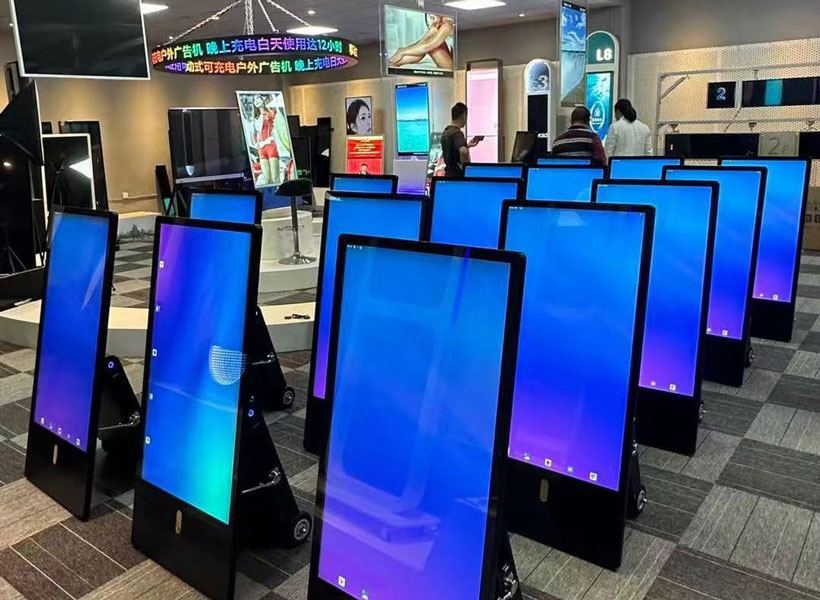
Consider a natural history museum that deployed thirty KTX indoor kiosks throughout its exhibition halls. Each kiosk, equipped with a 43-inch touch display and a custom wayfinding application, replaced traditional paper maps and staffed information desks. Visitors now interact with a 3D map of the museum, filter exhibitions by interest or duration, and receive audio commentary directly through the kiosk’s integrated speakers. The system also supports ticketing add-ons, allowing visitors to purchase special exhibits on the spot. Within three months, the museum observed a 45% reduction in queue lengths at the entrance, and staff were reassigned to educational activities instead of repetitive directional queries. The backend analytics revealed that the dinosaur exhibit was the most searched item, prompting the museum to adjust its guided tour schedules accordingly. This case illustrates how a thoughtful implementation of KTX kiosks not only enhances the visitor journey but also generates operational insights that inform strategic decisions.
The Future of Indoor Self-Service Information Inquiry
Looking ahead, the role of touch screen indoor kiosks will continue to evolve alongside advancements in artificial intelligence, computer vision, and IoT connectivity. Predictive analytics will enable kiosks to anticipate user needs, such as suggesting the shortest route to a destination based on real-time crowd density. Integration with mobile devices via QR codes or near-field communication will offer seamless handoff between the kiosk and personal smartphones. Voice-activated interfaces will further lower the barrier to entry, especially for users with limited dexterity. KTX is at the forefront of these innovations, actively developing solutions that support facial recognition (with proper consent), augmented reality overlays, and remote support video calls. However, the fundamental principle remains constant: the kiosk is a tool for human empowerment, providing instant, accurate, and personalized information in a dignified and accessible manner.
Choosing the right partner for this technology is critical. KTX’s commitment to quality, innovation, and customer success makes it a trusted choice for organizations worldwide. Their team not only supplies hardware but also offers consultation, installation, and ongoing support, ensuring that every deployment delivers measurable value. In a competitive landscape where user experience defines brand perception, investing in a high-performance touch screen indoor digital signage kiosk from KTX is a forward-looking decision. It transforms how organizations communicate with their audiences, reduces friction, and opens up new possibilities for data-driven engagement. As indoor spaces become smarter and more interconnected, the kiosk will remain a central touchpoint – and with KTX, that touchpoint is always reliable, always informative, and always ready to serve.